Now we can explore the ocean?

The sea – with its wild moods, terrible power and impenetrable beauty – is something that’s always felt special in my life.

I have fond memories of childhood trips to the red-brick seaside village of Whitby, feasting on the best smoked kippers in the world. We’d brave the walks at the wild North Gare and South Gare (I lost a cousin to a freak wave here) and would tackle the cold wind and industrial skyline of Redcar, where the Dundalk sequence in Atonement was filmed. Then there were the yearly trips to Blackpool for pontefract cakes and an evening tucked up in a coach, trawling the infamous light displays of the Golden Mile. Inland, I gorged on Jules Verne and Jonathon Swift, Hemmingway and Sinbad films, dreaming of sailing exotic oceans.

As an adult, I’ve swam with sharks (Australia), stingrays (The Bahamas) and dolphins (Jamaica) – but oddly, I’ve always travelled by air. I’ve snorkeled in some of the world’s most beautiful spots, but still have a list of oceans to explore. Now, I live near the sea and use it as a constant food supply; mackerel, pollock, winkles, cockles, seaweed, razor clams – they’re all part of my regular diet and every day I realise how lucky I am to have this opportunity. The sea is just five minutes walk from my front door and I can see it from my window. I would never have imagined such things were possible.

But what sparked this post was an amazing new feature from googlemaps. We are no longer confined to the earth; now we can explore the oceans. As a young girl, I could only have dreamed of something like this being possible…

Farewell to summer…

As I watch the trees turn into glorious shades of amber, burgundy and golden brown, with a warm, glowing sun – I can’t help but feel that all is forgiven re the terrible summer (think gales, flash floods and frost).

So, to say farewell, here’s a few photo’s of the final few months of ‘summer’ in lovely West Cork.

A gentle summer breeze…

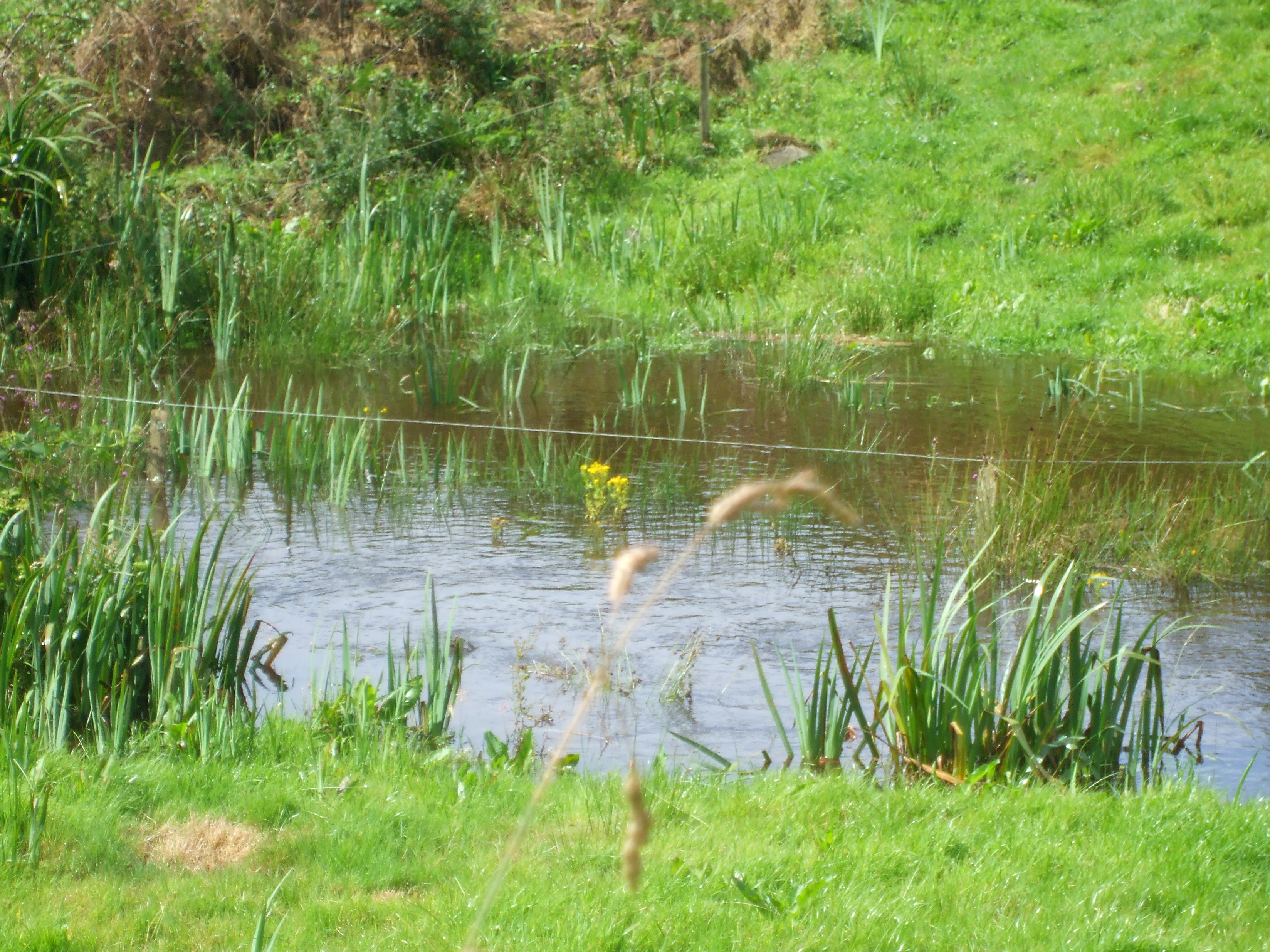
Our field turned into a pond (August, 30 minutes of rain)

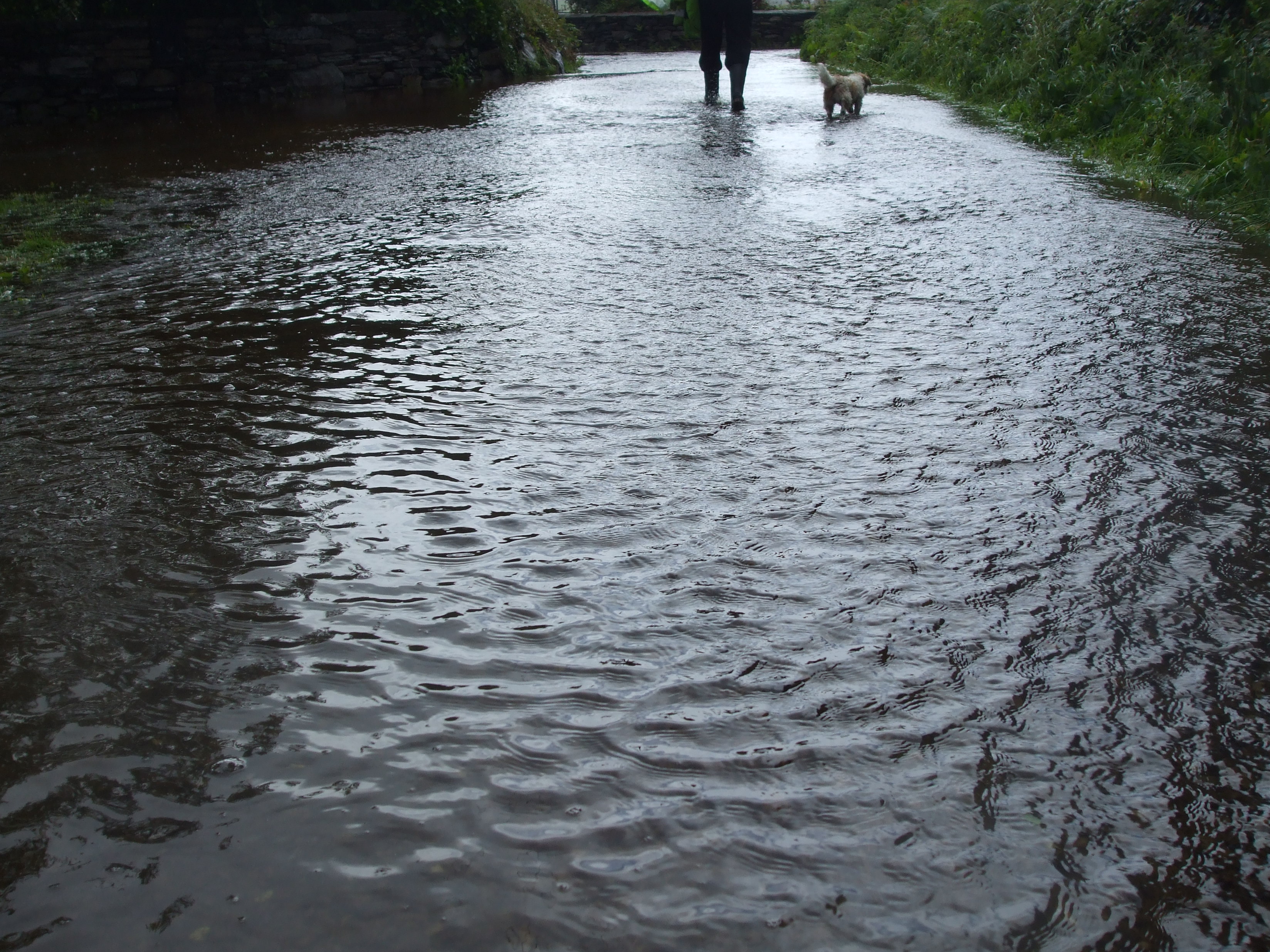
Road turned into a river

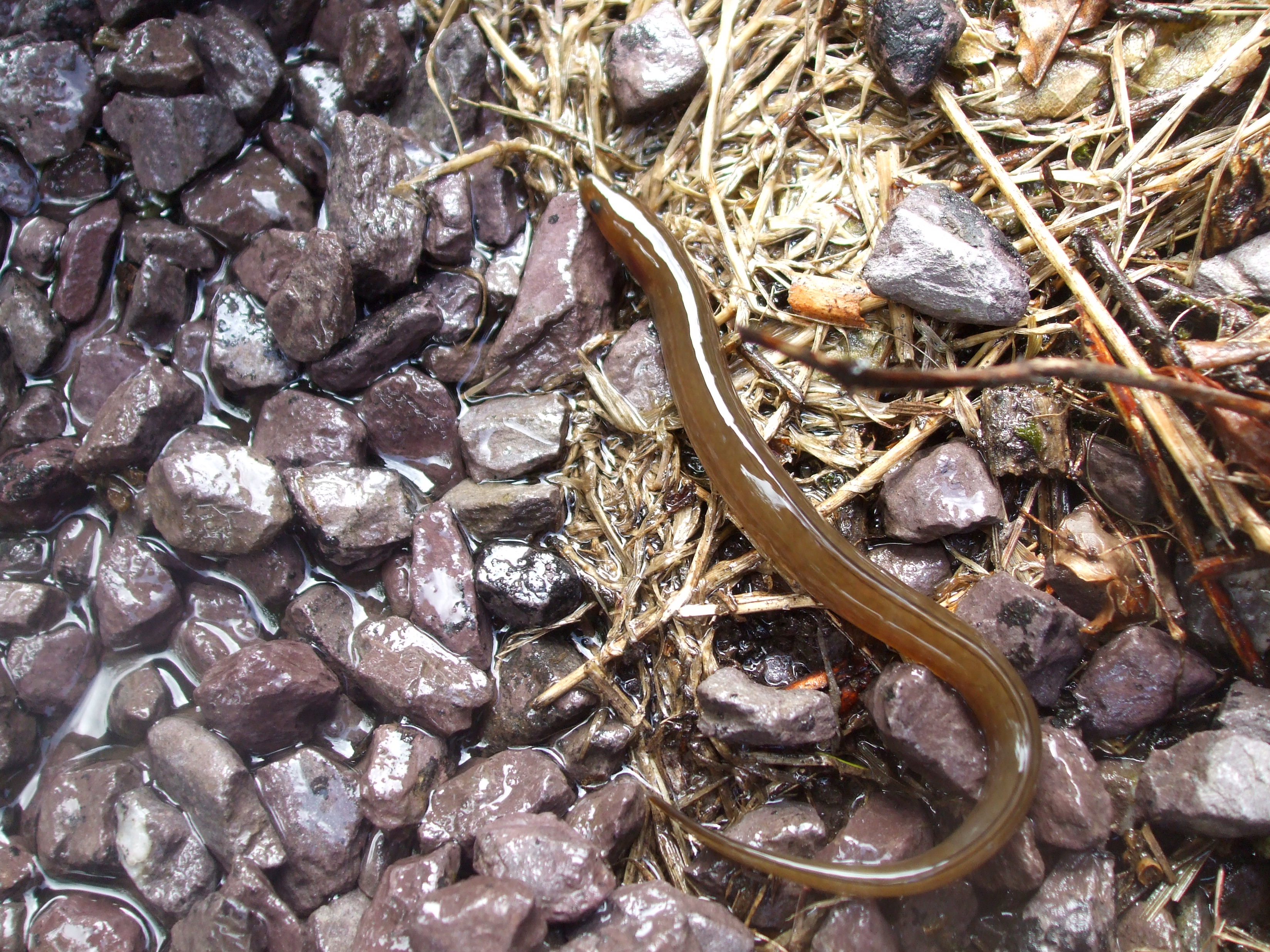
Eels swimming up the road!

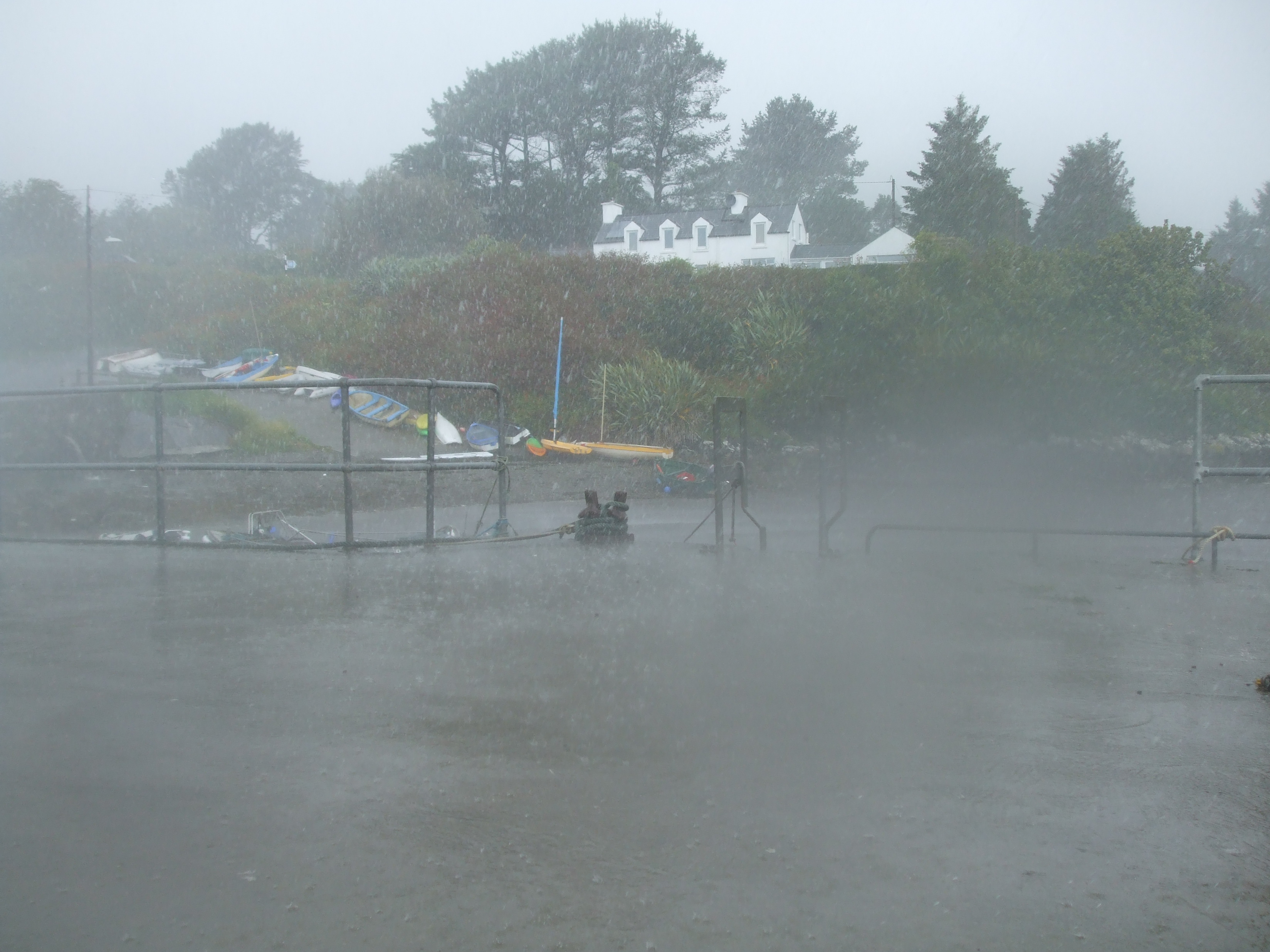
Driving rain (hence the floods)

Poor Bob insisted on her walk (hot bath followed)

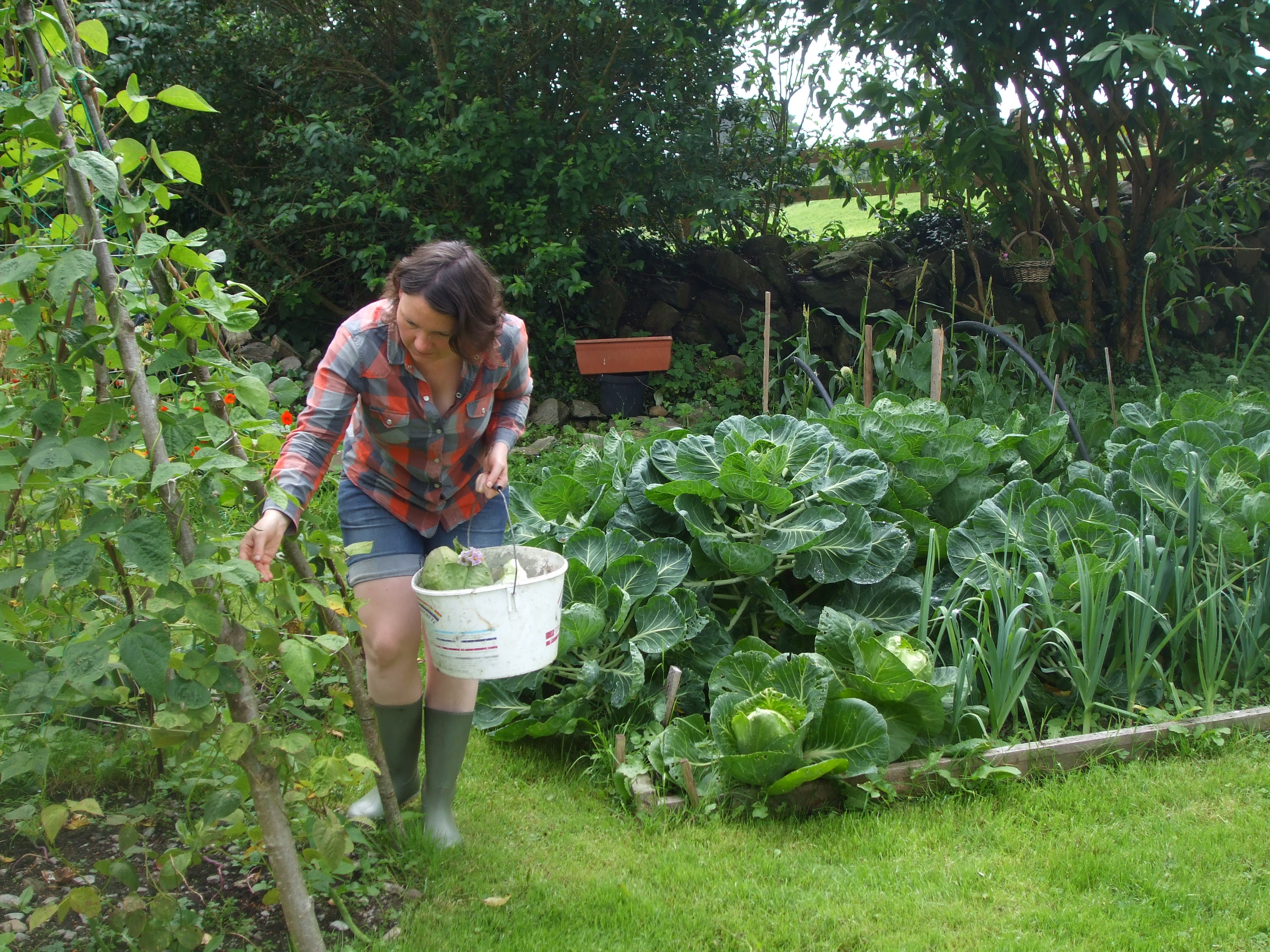
All’s not lost: runner beans, leeks & sprouts doing well

Garlic crop: small but pungent

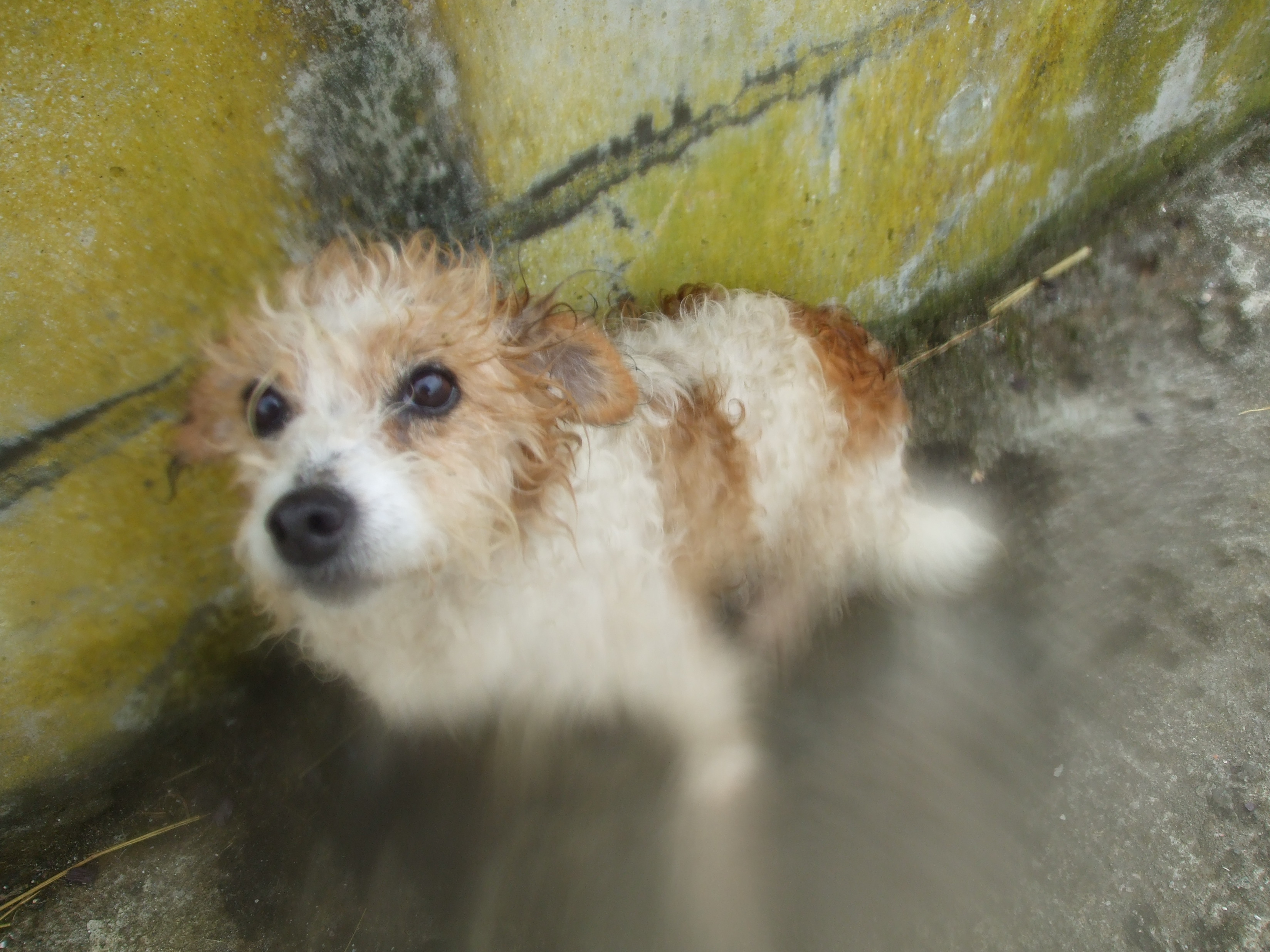
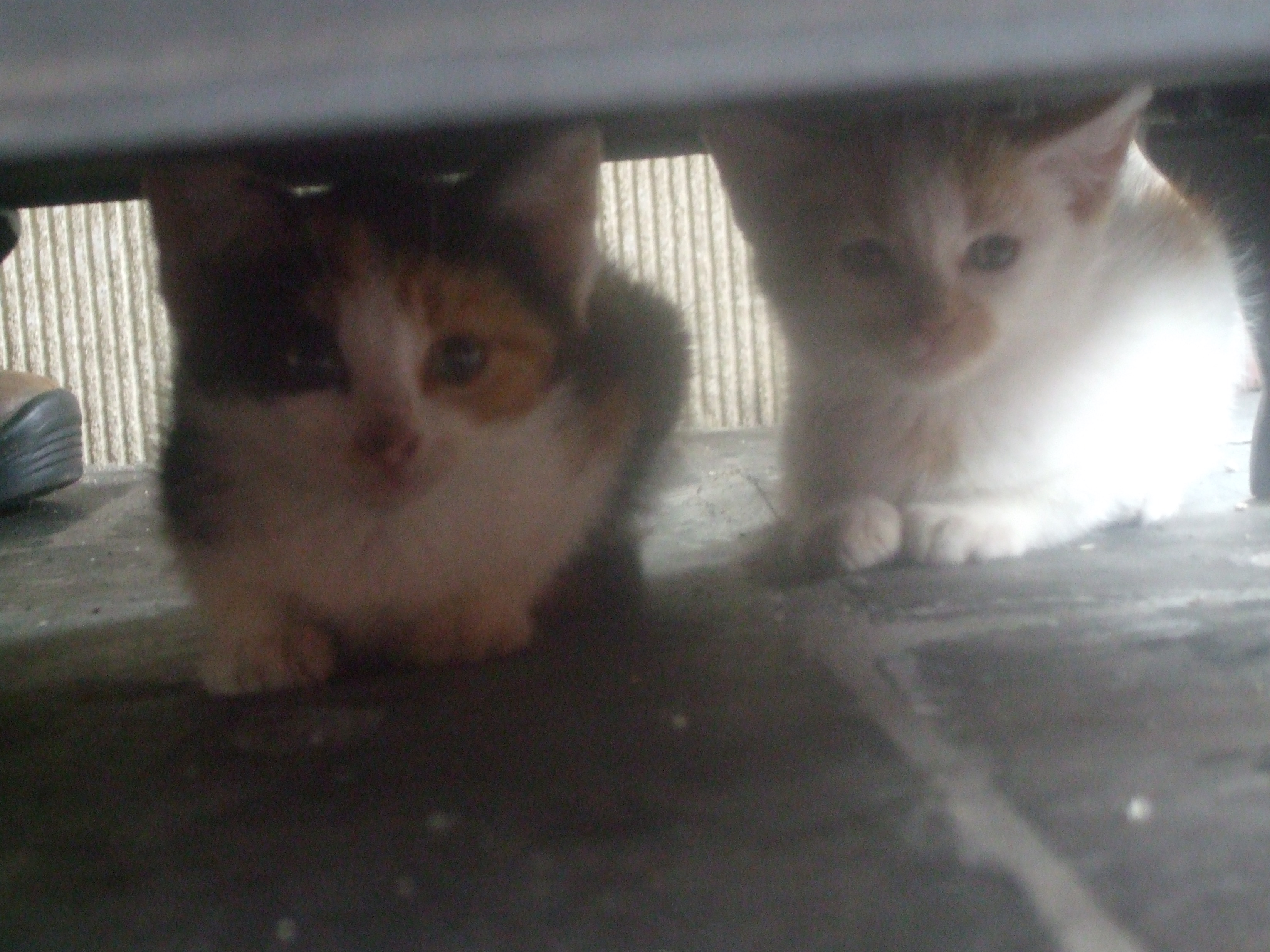
Meet Ozzy and Freckles – two very wild additions

How did your summer compare?

Broken homes don’t mean broken lives

Nice clean bear looking for a reading partner

“Why do you write for children?

This was the interesting – and completely unexpected – question that I was confronted with last week. It’s not a shocking question by any means; it’s just that writing for children is what I do, but, like any other career I’ve had, I’ve never thought about why. I’ve never even considered writing for children as an occupation that needs explaining (which probably says a lot right away).

Caught unawares, I was amazed at my reply. Not only could I answer without thinking about it, this was my immediate response:

“I adore children’s literature. A love of reading is the best gift I ever received and I want to foster it in others.”

OK, not the most eloquent, but this answer stuck in my head afterwards because I wondered whether, upon reflection, it was really true. You see, writing’s not like a regular job where you turn up and muddle through – even if it’s a bad day – because you know you’ll get paid. To be a writer, you have to love what you do. Always. Fact.

But do we know why we write? And why we write what we write?

I have many ideas which would make excellent adult books, but every time I sit down to write them, the words automatically transform into children’s fiction. I love every minute spent working on my manuscripts – from the initial concept and free-flow writing, to the research and editing – but I’m sure I’d love every minute of writing adult fiction too. After all, I adore reading it. So why does this happen?

Looking at my response, I was surprised to find that the true, honest reason really was lurking there. Yes, I love children’s literature and yes, falling in love with reading was the best gift I ever received. But the final part of my reply is the crux of the matter.

“I want to foster it in others.”

Whatever a child’s background, situation or level of learning, I want to help them enjoy reading. It’s that simple. I won’t go into detail – ‘misery lit’ is not my thing – but my upbringing was far from usual, not at all pleasant and certainly not something I’d ever wish anyone else to go through.

Yet the brutal truth is; many children throughout the world are trapped in abusive homes or dangerous environments. And even though there is more awareness, leading to more support facilities, the sad fact is that these children are still trapped, their experiences limited.

But a broken home doesn’t have to lead to a broken life: even children in vulnerable situations can be the masters of their own destinies. And as far as I can see, education is the key factor.

This doesn’t necessarily mean sitting in a classroom learning facts. Especially since, for many of these children, that environment won’t suit at all. But if a child can take control of their own learning – can see the value and relevance of it for themselves – then that can make a major difference to their whole lives. This may sound cliche, but it’s true.

I’ve heard people say that everyone can remember one inspirational teacher that set them on their path in life; well I had many. As a child, no matter what was happening around me, books were my haven. They showed me other places, ideas, attitudes and possibilities that no one else was going to share. They opened worlds that were otherwise unavailable.

Old friends and teachers

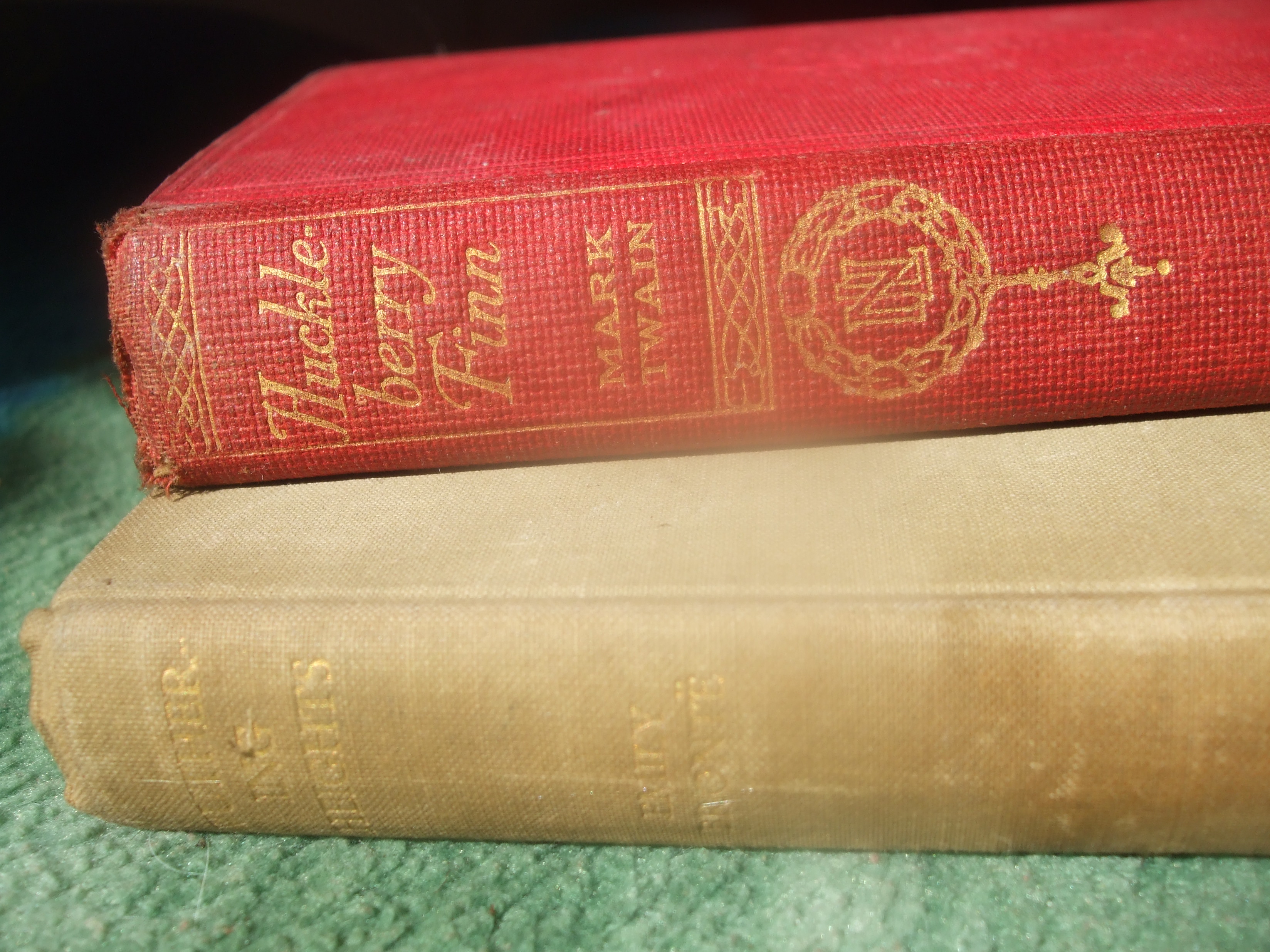
I was moved by the kindness of the Old Gentleman in The Railway Children and admired the tomboyish Jo March in Little Women. I dreamt about joining the adventures of Robinson Crusoe and Huckleberry Finn. Outraged by the mistreatment of Celie in The Colour Purple, I was also strangely comforted by the idea that not everyone else’s life was easy. I fell in love with Santiago’s passion and determination as he fought to bring his great marlin home. And I loved and hated Scrooge in equal measure.

Whatever I wanted to know, to experience, feel; it was all there, neatly tucked away in a few pages of my own private world. And the beauty of it was, every time I finished a book, it would lead me somewhere else; a recommended read, another book by the same author, a completely different genre which conveyed similar messages.

There is a wealth of current and classic children’s literature out there and I’d love to add to it.

“I adore children’s literature. A love of reading is the best gift I ever received. It saved me and I want to foster it in others.”

Last week, I surprised myself with this answer, and after investigating it further, I’ve surprised myself even more. But the findings were so personal, I was in two minds whether I should even post this at all.

But I always believe we should do everything with honesty and with as much passion as possible. So, that’s why I went ahead with the post. And for that reason also, I will continue to write every day.

What should children read?

Some personal favourites – but what about you?

I’m starting some children’s book clubs this winter and would love your thoughts on what to select for the reading list.

I live in such an amazing rural community which has not only been welcoming and supportive, but has also enabled me to create the kind of environment necessary to write full time.

As summer draws to a close, I’m aware that the winters here are very quiet and the nights are long. Perfect for writing – but not always so great for the local children. So I thought I’d give something back.

The local bookshop was thankfully looking to start some children’s events and has agreed to host the book clubs. So, we’ve a lovely, comfy room, with hot chocolate, brownies and wall to wall books – now all we need is to choose the reading list!

The aim is to encourage and nurture a joy of reading through a a range of stimulating and exciting books. I’m thinking a mix of genres, formats and styles. The books on offer should excite, inspire and challenge; but reading is such a personal experience, I don’t want the list to be completely coloured by my own preferences and opinions.

This is where I need your help.

The book clubs will be for 10 – 12 and 12+ age groups and will run weekly. I’m planning six week blocks, and thinking of covering 2 books per six weeks (depending upon the reading ability and enthusiasm of the group, this may change). At first, the books will be chosen by me but as I get a feel for the group, I’ll give choices and put it to the vote. Of course, as time goes by, the children can also make suggestions. But there has to be a starting point.

As a child, I was an avid reader and would read every minute I could. I’d read anything and everything. When I was ten I was diving into classics such as The Railway Children and Secret Garden, Robinson Crusoe and Huckleberry Finn. I moved on to Dickens and the Brontes, probably understanding very little but enjoying it immensely. The language, the rhythm; that’s what attracted me. By the age of twelve I’d skipped to Lord of the Flies and Stephen King; I wanted gritty content, and I wanted to look cool.

I still love reading – and, writing children’s fiction, I also read plenty of it – but this is not about me; it’s about fostering the same love of reading in others. After all, I believe the gift of reading is one of the best gifts you can ever receive.

So what I would like to know is…

1) When you were 10, and when you were a teenager, what books were you reading? And which ones stayed with you?

2) If you’re a teacher of have children of your own – what books would you like your children to be reading and why?

Thanks very much in advance for your ideas.

An interview with Dr Terry Lynch (Part 2)

This week, by request, I’m posting part 2 of an interview with writer and leading mental health specialist, Dr Terry Lynch. In case you missed it, you can read part 1 here. (Please note: this was originally written for Writers Week 2012 by Elizabeth Rose Murray on May 24, 2012)

You speak about the ‘mental wellness-illness spectrum’; for people who’ve not come across this term before, can you please elaborate.

Dr Terry Lynch

I believe it is appropriate to consider emotional and mental health as a spectrum, a range, rather than simply two levels, mental wellness and mental illness. As I see it, mental health itself is very closely related to our level of emotional distress, our level of sense of self. There is a wide range within which a person’s sense of self and level of emotional distress may fall. Some people have a very solid sense of self, experience little emotional distress, and consequently their mental health is in a peaceful and generally calm state. Others experience major emotional distress and have little or no sense of self. A significant number of this latter group will have been diagnosed with major mental health problems such as schizophrenia. Between these two extremes, these two poles, there is a wide range of levels of emotional distress and sense of self. In my experience, the lower a person’s sense of self and the higher their emotional distress, the more likely they will become diagnosed as having a mental illness.

You say that words are very important to you. To what degree can words help the current understanding and misunderstandings around mental health?

How we use words is extremely important. I am a great believer in simple, plain English. If you truly understand something, you should be able to explain yourself in plain English. This applies to doctors as well as to others. Part of the reason there is so much mystery, fear and mystique around mental health is that as a society, plain English is no longer our first language in matters concerning emotional and mental health. We defer instead to medical language, medical jargon, and complex words and phraseology creates an immediate hierarchy, where ordinary people, who cannot be expected to understand medical jargon, that the ordinary man in the street cannot comprehend or access, and is therefore disempowered, albeit unwittingly.

In my opinion the use of medical jargon in mental health frequently muddies the waters rather that bring clarity to the situation. For example, if a doctor truly understands depression, bipolar disorder or schizophrenia, he or she should be able to explain themselves to people in plain English to ordinary people. If they cant, then in my opinion this raised questions about their actual level of understanding. One of the main recurring concerns I have had regarding mental health for the past 15 years concerns the repackaging of emotional distress into various categories of mental illness, as mentioned in an earlier question. It is through the abandonment of plain English and the adoption of medical jargon that this repackaging process occurs.  Plain English includes people and promotes equality and transparency. Jargon of any kind may promote exclusivity, and hierarchy rather than equality.

Tell us about your journey to publication: BEYOND PROZAC: Healing Mental Distress and Selfhood: A Key to the Recovery of emotional Wellbeing, Mental Health and the Prevention of Mental Health Problems. Was the experience what you expected and did writing your second publication differ in any way from writing your first?

I qualified as a medical doctor at University College Cork in 1982. I trained to become a GP, and subsequently worked as a GP until the late 1990s. During my years working as a GP, I increasingly came to doubt the soundness of my medical training in the area of mental health. I began to realise that much of what we doctors do in mental health is to reinterpret what people are experiencing, and I became increasingly concerned that the methods of interpretation I had been taught in medical school might not be nearly as reliable in practice as I had been told they were. I had become concerned with what was becoming increasingly clear to me as a considerable lack of true science and understanding to back up the medical approach to mental health.

Once I focused on this, I constantly kept a notepad with me, jotting down ideas whenever they struck me. Gradually the book took shape. My first book Beyond Prozac was first published in 2001 in Ireland, re-published in Ireland in 2005, and was published in the United Kingdom in 2004. The writing process for this book began about 3 years prior to publication, perhaps more. Ten years on, Beyond Prozac has been a best-seller, was shortlisted for the Mind UK Book of the Year Award in 2002, remains in print, widely known in Ireland, and has touched many people and apparently continues to do so. I am humbled and honoured to know that. I certainly didn’t expect anything like the reaction Beyond Prozac received, but this reaction told me something important: that much more such work needs to be done.

I published my second book, Selfhood: A Key to the Recovery of Emotional Wellbeing Mental Health and the Prevention of Mental Health Problems, in 2011. The drive to write Selfhood came from a desire to produce a practical and accessible self-help book for people experiencing emotional distress and mental health problems. The book revolves around one’s sense of self, because over the years I have found this to be a key aspect to emotional wellbeing and mental health (if one has a solid sense of self), and a key aspect of emotional distress and mental health problems (if one does not have a solid sense of self). I wanted to make available a book that would essentially encapsulate how I work, how the process of recovery of self works, and how this benefits our emotional wellbeing and mental health. The recovery of our sense of self is akin to a project, an extremely important project, one that takes time, patience, work, and gentleness. I wanted Selfhood to be a book that people could read, re-read, refer to and learn from, implementing the book contents in real and practical ways in their everyday lives, rather than being a book people read once, said ‘that was nice’, never opened the book again, and having read it, implemented little or no change in their life.

I have been very pleased with the public response so far. Many readers have fed back to me that reading Selfhood it was like reading about themselves. Several prominent UK mental health organisations have spoken highly of Selfhood. While Selfhood is written primarily for individuals, I am very pleased that a prominent Irish psychotherapy journal has just this week  published a very positive book review of Selfhood, in which the reviewer wrote “I strongly recommend it as a requirement in (counseling and psychotherapy) training programmes”.  Perhaps what pleases me most is that I think I have managed to accurately articulate the issue of self and how it applies to emotional wellbeing and mental health, making it understandable for and accessible to the reader.

You take an all-round approach in your work; medical practice, conferences, radio, publication.  What do events like Writers’ Week mean to you?

I am delighted to have been invited to speak at Listowel Writers Week, I consider it an honour. Listowel Writers Week has such a long, solid tradition. I like the breath of books, genres, and speakers involved. It is of the people and for the people, fundamentally democratic, where writers and readers get to meet and mingle, bringing together those who share the love of books, writing, reading, learning, meeting, chatting, dreaming. Wonderful.

You can learn more about Dr Terry Lynch on his website or through his books.

I hope you enjoyed this interview.

An Interview with Dr Terry Lynch (Part 1)

This week, by request, I’m posting part 1 of an interview with writer and leading mental health specialist, Dr Terry Lynch. (Please note: this was originally written for Writers Week 2012 by Elizabeth Rose Murray on May 24, 2012)

Dr Terry Lynch

Why do you think mental health and mental health problems are such difficult areas for society to understand? In what way are attitudes changing in Ireland and across the globe?

There are a number of reasons why mental health and mental health problems are poorly understood within society. As a society (in keeping with most Westernised countries), we have made the fundamental error of judgement of believing that mental health problems are fundamentally biological in origin. This has not been established (for example, there are no physical or biological tests for any mental health problem, because the often-stated chemical and/or neurological abnormalities have not been proven or established). Yet because society’s appointed experts (principally, psychiatry) say that mental health problems are primarily biological in origin, people are at a loss to truly make sense of and understand mental health problems.

What is needed is a revision of our understanding of mental health and mental health problems, to include a far more comprehensive understanding of emotional and mental health, and mental health problems, than currently prevails. A key starting point is to understand why emotional and mental health problems make sense, how they can be understood. Pathologising human feelings and experiences is not necessarily the most productive way forward. It is also necessary to revise what we interpret to be normal and abnormal. This needs to be the platform from which emotional and mental health problems are responded to. In addition, stigma, fear and prejudice surrounds mental health and mental health problems. These issues would become far less and might indeed disappear if, as I outlined above, we had a far more comprehensive understanding of emotional and mental health, and emotional and mental health problems.

Regarding attitudes in Ireland and across the globe, one of the most striking developments in mental health worldwide including Ireland has been the growth of the mental health service user movement. This movement is gathering pace internationally and Ireland. This movement calls for a greater emphasis to be placed on recovery, on greater involvement of the service user in their own care decisions, on alternatives and other options to medication, on having choices, and on human values such as respect and dignity. I hope that this movement continues to grow, in strength and in number. In Ireland, the speed at which mental health policy changes nave been introduced over the past six years has been disappointing, only partly due of the recession

You have a strong focus on mental recovery. What are the main issues you meet as you campaign to raise awareness of mental wellbeing and how do you overcome them?

Strange as it may seem, there is considerable resistance and reluctance to properly address the issue of mental health recovery in Ireland, as in many other developed countries. Mental health recovery was a key recommendation of A Vision for Change, Ireland’s official mental health policy since 2006. I have been involved in A Vision for Change for the past 9 years, having been on the Expert Group on Mental Health Policy (2003-6) that formulated A Vision for Change, and having been on the Independent Monitoring Group (2006-12) that monitors the implementation of A Vision for Change. In each of the past six years, this Group has reported considerable disappointment at the lack of progress on mental health recovery within Irish mental health services.

A recurring issue I encounter is the belief that mental health problems are frequently considered to be life-long; once a person has had a serious mental problem, the presumption is often made that they now have a life long problem. I have regularly found that this often need not be the case. I have repeated found that what is fundamentally emotional distress is frequently misinterpreted, and repackaged, as mental illness. As a society, we really need to re-evaluate how we interpret and package emotional distress as mental illness. I use every opportunity I can to promote a more comprehensive and accurate understanding, of emotional distress and mental health.

You say the science of psychiatry needs to be questioned in detail, asking ‘where is the science to back up this biological of mental health module we operate?’. Where have your investigations led?

In the public interest, as a matter of considerable urgency, the science of psychiatry needs to be questioned in detail. For decades, psychiatrists and GPs have confidently informed their patients that their mental health problems are caused by known brain disorders, most commonly, by chemical imbalances in the brain. These statements have been made so frequently and for so long that the public have generally come to accept this as truth, as gospel. The truth is that chemical imbalances have not been identified for any mental health condition, including depression, bipolar disorder and schizophrenia, despite what you may have heard about serotonin. Yet, no person ever has their supposed chemical imbalance confirmed by any test, ever, anywhere in the world. No such tests exist, because no chemical imbalances have been established. This is misinformation on a grand scale, something which should not be allowed or tolerated, particularly in a modern, well-educated and generally well-informed country such as Ireland.

In the late 1980’s, depression was diagnosed in 1 in 10, 000 people. Now, the diagnosis is at least 1 in 10, perhaps as much as 1 in 4. Why do you believe this has happened and how reliable do you think these diagnoses are?

The rate of diagnosis of few if any medical conditions worldwide has escalated to anything like the degree to which depression has been increasingly diagnosed over the past thirty years. I am not alone in believing that this situation is not as clear-cut as it is often presented to be.

In my opinion, over the past 30 years, many forms and experiences of emotional distress have been increasingly been repackaged as mental illnesses, depression in particular. I believe it is no coincidence that the surge in depression diagnosis coincided with and paralleled the production and availability of the SSRI antidepressant drugs. These drugs (Prozac being the first) became available roughly 30 years ago, and were widely promoted as capable of making feel “better than well” (which itself is not necessarily a natural state). Doctors felt they finally had substances available to them that would help many people. Doctors consequently became increasingly enthusiastic about diagnosing depression, and the ball was now rolling.

As a group unfortunately, we doctors have short memories. We forget, for example, that there has over the past 100 years or more been a recurring scenario, generally taking place over a 25-40 year cycle. This involves the ‘discovery’ of a wonder new drug for mental distress; the rapid growth in enthusiasm for the drug, including rapidly increasing prescribing rates, eventually reaching a peak; the arising of problems associated with the drug, often including dependence and other adverse effects, the presence of which has often been resisted by both the pharmaceutical industry and the medical profession; and a gradual realization (which can take many years, sometimes decades) of the true value (if any) of the drug. Before the SSRIs, there where the benzodiazepines (known as ‘mommy’s little helpers’), whose addiction legacy remains with us to this day. Prior to the benzodiazepines, similar scenarios occurred with other drugs such as the barbiturates, amphetamines, bromide, the opiates, and indeed alcohol. I believe that the majority of my medical colleagues have unwittingly been caught up in the latest of these scenarios – the SSRIs and related drugs.

As I discuss in my books, I have considerable concerns regarding the process of diagnosis and treatment of depression in general. I cannot see how such an explosion in the diagnosis and treatment of depression in such a short time can have a sound scientific basis.

You can learn more about Dr Terry Lynch on his website or through his books. Check back here for Part 2 of this interview next week.

Is your routine good enough?

Early to bed and early to rise,
Is the way to stay healthy, wealthy and wise… (Ben Franklin)

Unfortunately, the above saying doesn’t quite fit everybody’s lives, otherwise things might be a bit simpler. People change more frequently than the seasons, and so it’s important that we evaluate the things that matter to us on a regular basis. We need to take stock of our goals, our priorities and – perhaps even more importantly- take a look at whether our daily routine can make the magic happen.

How do you approach your day? Does it give you the best results? Does it leave you feeling satisfied?

Are you aiming for the sky?

Recently, I’ve found that my usual writing routine is no longer working. Using time like a sliding tile puzzle, I’ve been slotting set chunks of writing time around other daily demands. Writing is my main ‘job’ and my top priority, but increasingly, the day-to-day stuff has taken over.

This summer, for instance, around the usual requirements for writing novels, tending an acre of vegetables, helping on the farm and running my social media business, we’ve encountered runaway calves, freak weather, crop disasters, summer floods and especially crafty foxes.

Although I’m achieving my goals, I’m frustrated. I still write every day but it doesn’t feel as productive or high quality. In short, I’ve grown tired and irritable – and this is proving counterproductive.

Does any of this sound familiar?

It took a while to notice that my routine wasn’t serving its purpose any more. Work smarter, not harder has always been my motto, but somehow it’s slipped. I need a change and it has to be more rigid. This might seem obvious, but to be honest, I balk at the idea of doing anything rigidly. I usually find that I produce better quality work when I’m allowed to mix it up to fit with my mood that day. Until recently, that is.

So, what better way to get on the right track than by throwing my conundrum out on twitter?

Oh dear tweeps, I’ve realised something that makes me shudder: I need a routine. There, I said it. ROUTINE *quakes under pillow*… Would anyone like to share their routine to help me get back on track?

As you would expect, the replies varied, but each offered its own bit of wisdom:

@HazelGaynor Up at 6am. Make cuppa. Write. Feed & entertain kids (repeat ad nauseam). Hopefully eat. Put kids to bed. Pour wine. Write. Sleep.

This is a serious writer with a super-busy schedule who is using the best of her free time to make sure that writing still has priority. This is how I used to work when I had a demanding office job – and it’s what I’ve still been trying to maintain. But I don’t have kids, my day is my own and I’m free to write whenever. However, the rigid approach is key.

@angelreadman I go to desk every weekday morning with 1st cup of tea, every weekday (I don’t usually do weekends), if I don’t day takes over… it’s crucial. I go away for lunch, do other things, come back later for short bursts when I’ve recharged- weekends sun, allotment!

Wait – days off? No-one said that was allowed as writer! Angela is a genius!

In seriousness, I’ve maintained writing for hours every day and guess what – it may work for some but it doesn’t work for me. I’ve been burning out and then forcing more words which aren’t that great and need a lot of work. Hence the feeling of unrest – I’m not rested!

@mariam_kobras I get up around ten (yes, I know, late; but bear with me!), make coffee, read mails, check twitter and facebook, and write…
about 500 words until lunch. Then in the afternoon I write another 500 to 1500, and in the evening I work with the publisher…
who is in NY and hence in a different time zone, which is why I rarely go to sleep until after midnight…

Hang on a minute – we don’t have to be up with the larks? This makes complete sense. In the summertime, I’m often out working in the vegetable field until 10.30pm, but then I continue writing and go to bed around 2 or 3, still insisting on getting up at 7. One word comes to mind: pointless. Mariam continues with even more great advice:

The trick is to see writing as a job, in my case a full-time job. I have to finish this book by January, so I better get cracking… I’ve found that two hrs in the morning and two in the afternoon work just fine for me.

Another amazing insight: sometimes less is more. You cannot sustain good quality, gripping writing for as long as you think, so you’re better off writing for shorter, more focused sessions (see also a great post by Alison Wells on distance and immersion). Full time does not have to mean 9-5 every day for everyone. Like Mariam says, sectioning off hours without any interruptions is a productive approach.

@kenmooney I’m quite the opposite, I have to do it when it comes, even if it’s just putting on a text to myself on bus… Think that suits me though as I write at lunch in work, that kinda thing.

Although I approach my day more like Mariam and Hazel, Ken speaks sense. When I was commuting to work, I’d spend the journey jotting stuff down – title ideas, opening lines, observations. If you’re writing full time, scheduling your own working hours, you shouldn’t forget to grab those unexpected glimpses when they come.

@ProofreaderGill I found NaNoWriMo was good at forcing me into a routine, not sure I could do it for longer than a month though!…. Since writing, like housework and gardening, doesn’t pay me any money I pick and choose according to the weather.

…or lost in the fog?

I love Gill’s approach. Every time I write a new book, I write the ‘draft zero’ in one month. Then I spend another month redrafting it into what I consider the first draft. I find it more thrilling to work on a book when I have a chunk written. But Gill also highlights an important point: you have to live and if your writing is not bringing in any money, it may have to take second priority sometimes.

So how do you write full time, using a schedule to suit you, and still have enough time to make money/socialise/rest/withdraw/sleep etc?

I think Mariam got the answer spot on with this bit of advice:

‘Set yourself fixed times for writing, when you do nothing else. Schedule the rest of your life around those, not the other way.’

The fact is, I’d been letting other things filter in too often and they were frequently stealing my best working hours – the times when I’m most relaxed, creative, energetic and alert. Thankfully, I have a host of amazingly generous writerly friends who are willing to share their own approaches and help me out.

So, with all this in mind, I’ve established a new routine. Here goes:

07.00-08.00:   Automatic writing in notebook & tea
08.00-09.30:   Exercise and breakfast
09.30-12.30:    Writing
12.30-14.00:    Exercise, lunch, emails/twitter/facebook
14:00-16.00:    Writing
16:00-18.00:    Blogs, business

Today is day 1 – wish me luck!

If anything here sounded familiar, why not take a look at your current routine? Is it still working or is time for an overhaul?

I’d love to hear how you get on!
It’s a Dog’s Life: Paul Howard on Triggs

Triggs_coverAs his new book launched, Paul Howard attended Writers’ Week in Listowel to treat audiences to a reading of Triggs: The Autobiography. Written from the perspective of Roy Keane’s infamous and much-loved pooch, this is no ordinary football biography. A highly entertaining and original look at one of football’s biggest legends, particularly during the turmoil-filled post-Saipan days, Triggs is certainly in a league of its own and set to become a bestseller.
From the outset, it was clear that Paul Howard’s reading was an event to be savoured and enjoyed. Paul kicked off (excuse the pun) with a reading from the opening of Triggs – the Autobiography. Cue Roy Keane’s dog discoursing on death’s imminence, contemplating how ‘time is as generous as a drunken uncle when we’re young’, thanks to a wrong headline in The Sun that states Triggs is dead…

Paul told a packed house, “Triggs was published yesterday and this is my first time reading any of this in public; thankfully I heard some chuckles so it means that there are some laughs!”

Original, hilarious and at times bizarre, where did this work of genius come from? In Paul’s own words, “the idea came to me in 2002 when Triggs first leapt into my consciousness, and that of others as well, during the world cup. I was in Saipan, Japan, spending a huge amount of time looking at footage of Ireland’s best player walking his Labrador down a laneway. Triggs absolutely fascinated me and during long boring nights in the hotel, I started writing conversations between Roy and his dog…I wondered what would they say…? I had this idea that Roy would come home and vent and Triggs would look at Roy with big eyes, pleading Roy, get the lead; let’s go!”

To pull this book off, to create a work that requires the reader to adopt suspension of belief as well as factual recall, is a huge feat. And the factual element is the key underlying strength of the novel.

“Central to the book is the relationship between Roy Keane and Mick McCarthy. So much of that relationship was confusing, I thought it would be best to write about it from a dog’s perspective; it seemed all macho and territorial. I thought it was probably something a dog would understand better than us.”

The success also lies in the amazingly funny characterisation of Triggs – an observant, opinionated dog with attitude – but how did that come about?

Paul revealed, “My imagined version of Triggs knew a lot about football too, so I was interested in writing Triggs as a metaphor for Roy’s genius. Triggs’ death was originally reported in September 2010, 18 months earlier than it actually happened, so I thought it would be an interesting starting point and the perfect chance for the dog to tell her own story. Of course, it’s a fictionalised dramatisation of events, with much of it based on real occurrences.”

Will there be more books?

“I don’t know if there would be anything similar…I only ever thought of Triggs as a single book. Triggs was an iconic animal. When her death was reported for real a few weeks ago, it made all the headlines. I think the reason was, that time after Saipan, the country lost perception of what had actually happened; it was all about the fighting. Triggs was an amazing player in the story; when Roy Keane was besieged by the paparazzi and he was out walking the dog, it was an act of defiance. Triggs seemed the only player that seemed like she didn’t care that Roy Keane wasn’t going to play in the World Cup. I loved the clichés footballers and sport reportage used – wouldn’t it be funny if footballers really did talk like that! But there’s definitely only this book about Triggs.”

And what does Roy Keane think about the book?

“I don’t know; it never really crossed my mind to call him and tell him I was doing it. It’s a satirical book and if you let people in on that, it’s no longer satire. I didn’t want to be in the situation where people look and say – you can’t say that. But Roy has a great self-deprecating sense of humour, dark sense of humour, which people don’t get to see enough.  I aimed at a warm, forgiving portrait of Roy.”

If you’ve read Triggs: An Autobigraphy, I’m sure you’ll agree that Paul Howard accomplished his aim. If you’ve not yet read the book, I’d highly recommend it. Even if you’re not a major football fan, the comedic writing and unusual voice makes it a compelling read.

(Please note: This was originally written for the Writers Week festival blog and also posted on Writing.ie)

July in Photos: Cape Clear, Sea Trips and Spooky Walks

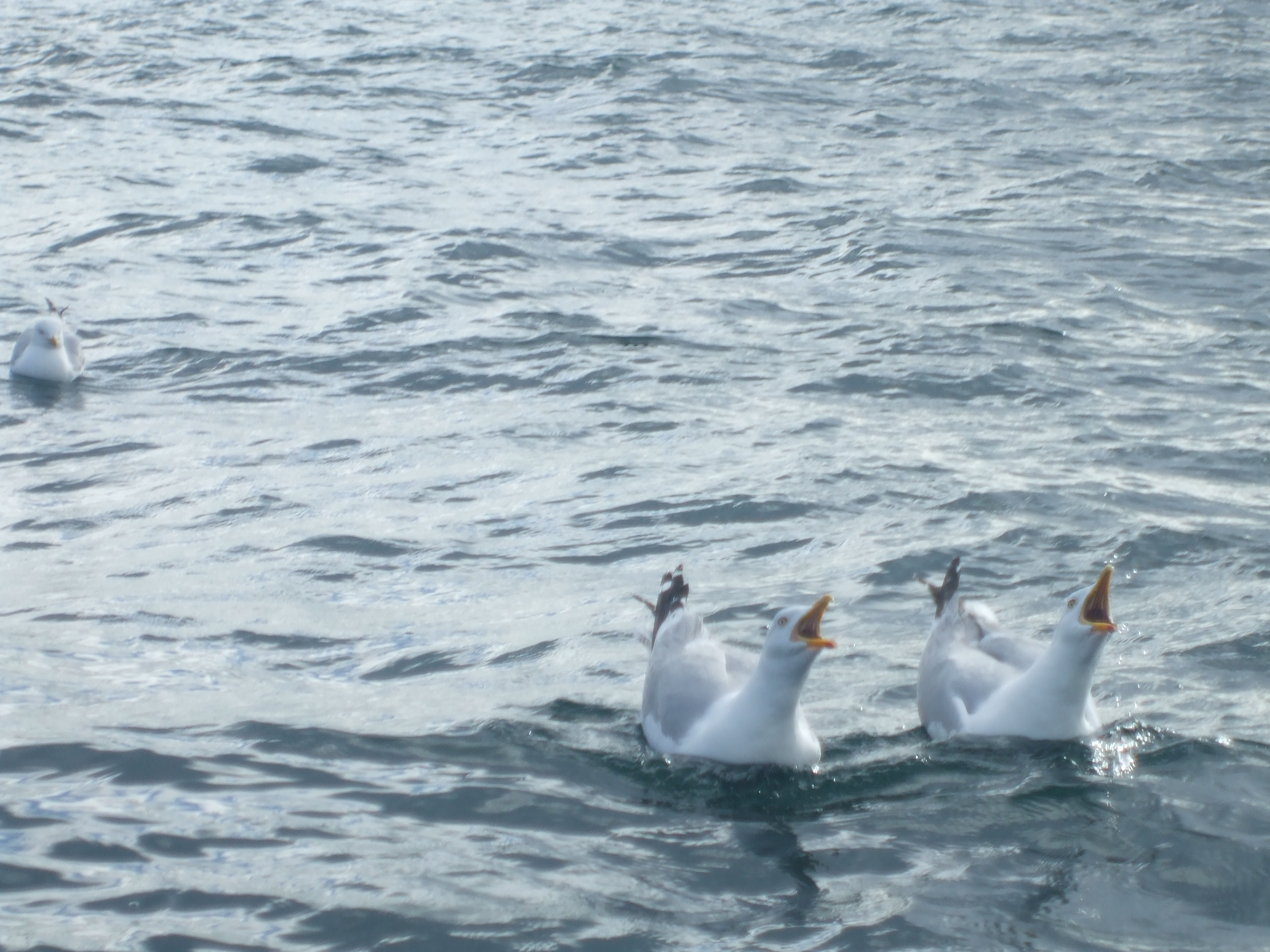
Out fishing: noisy visitors…

…and a hitchhiker!

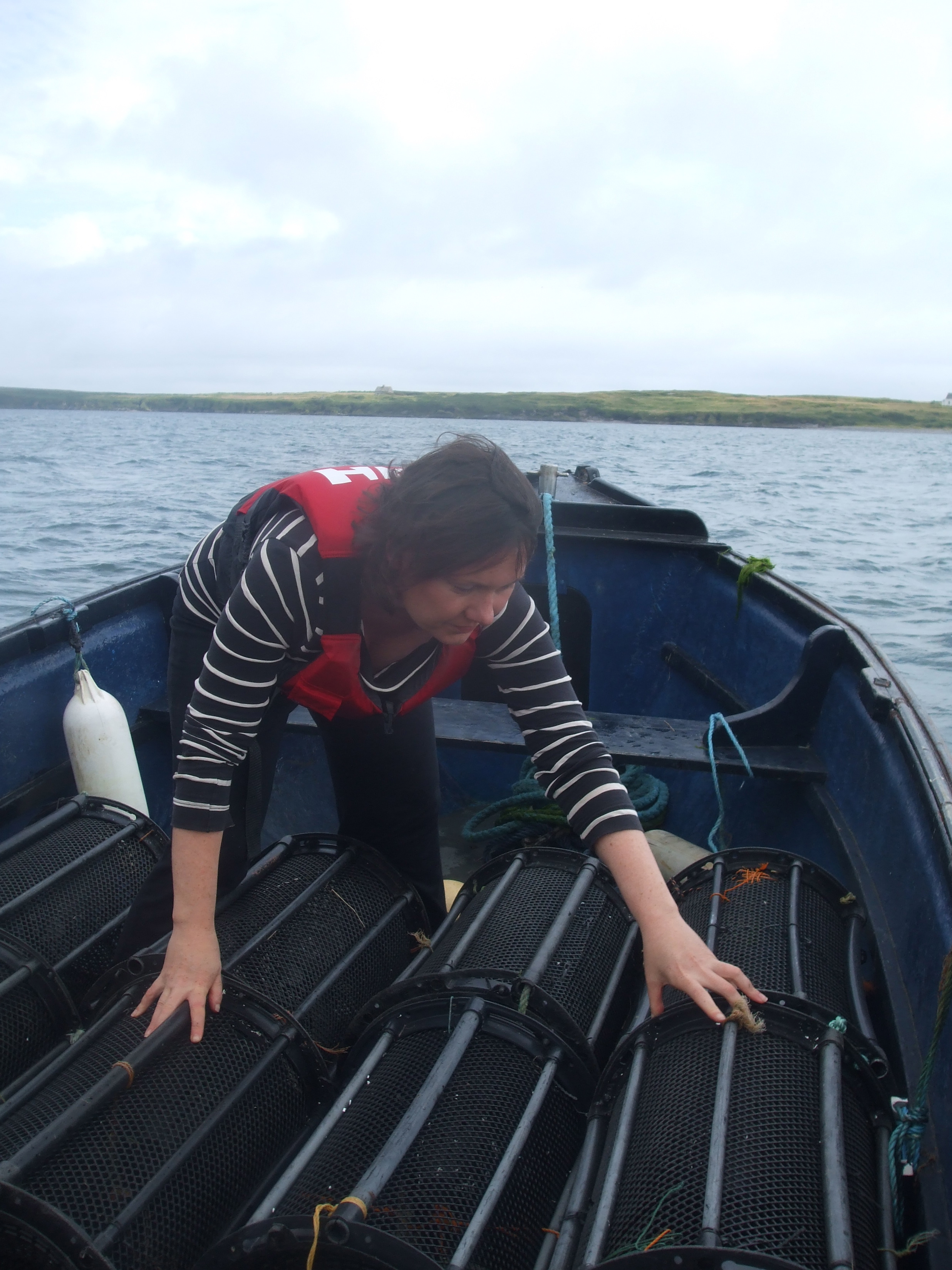
Shooting shrimp pots (we got a haul big enough for three meals)

Lots of chillis on their way

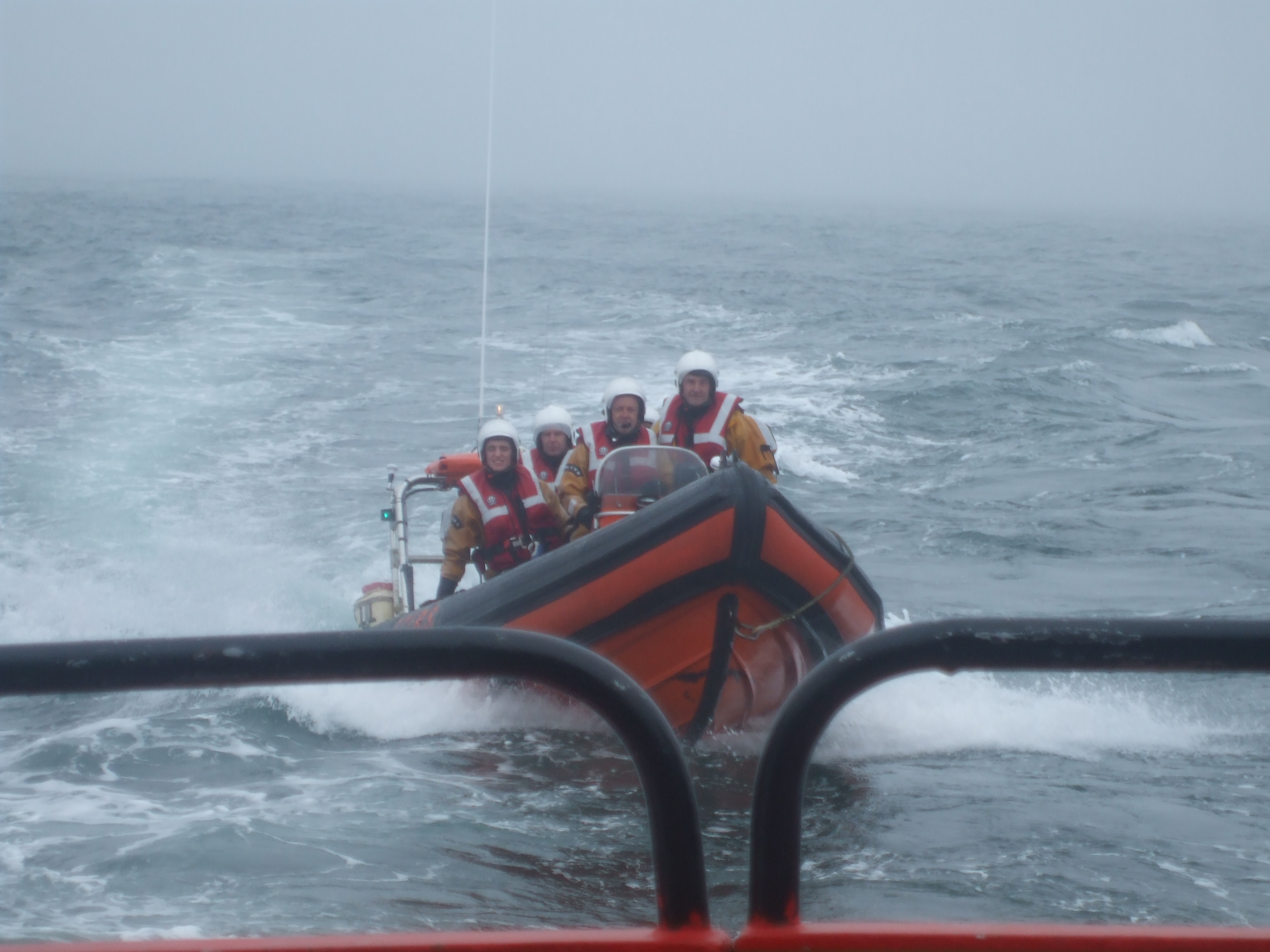
Amazing Inshore Rescue training new volunteers

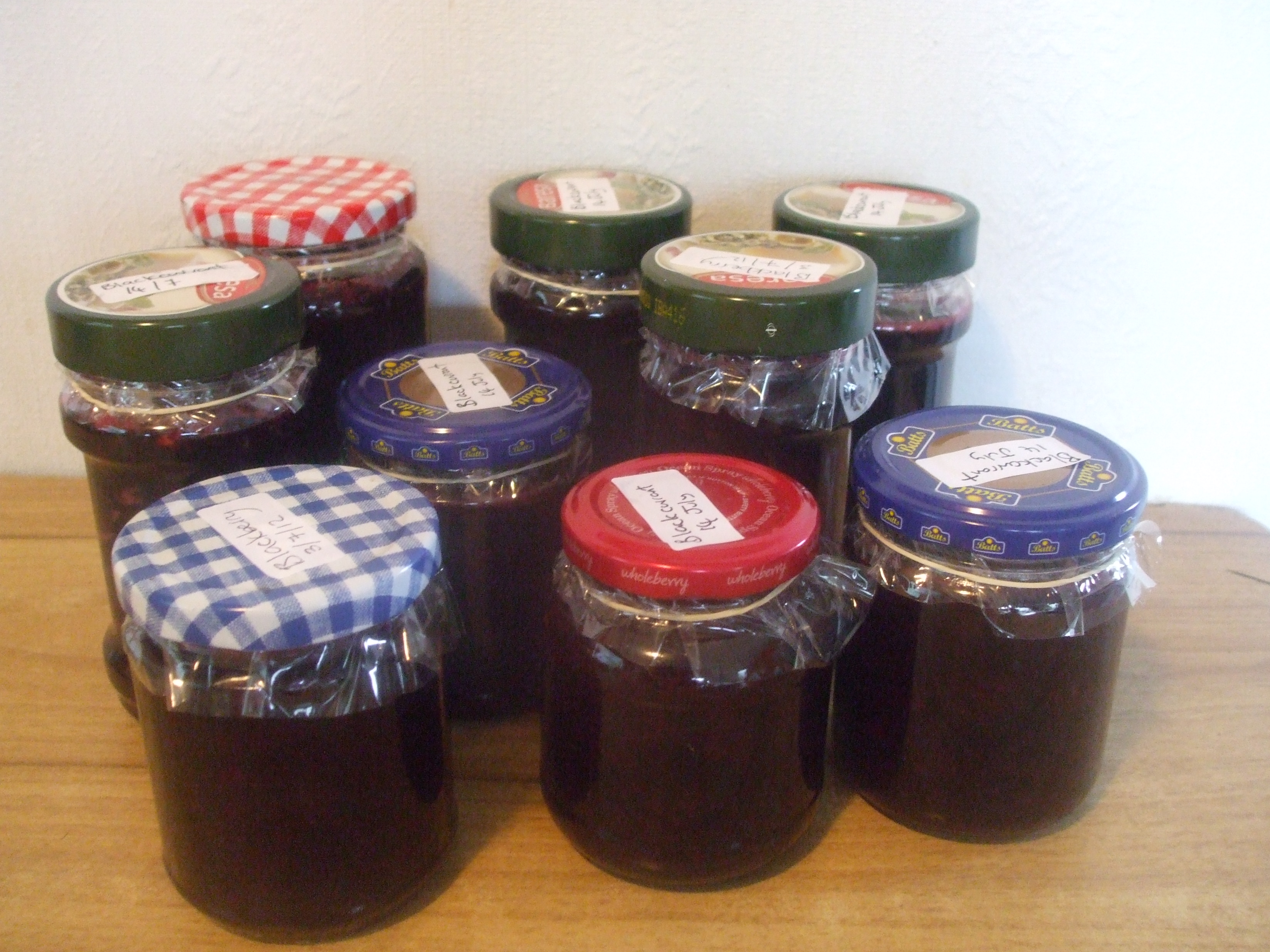
The first batch of blackcurrant jam

Runner beans doing well

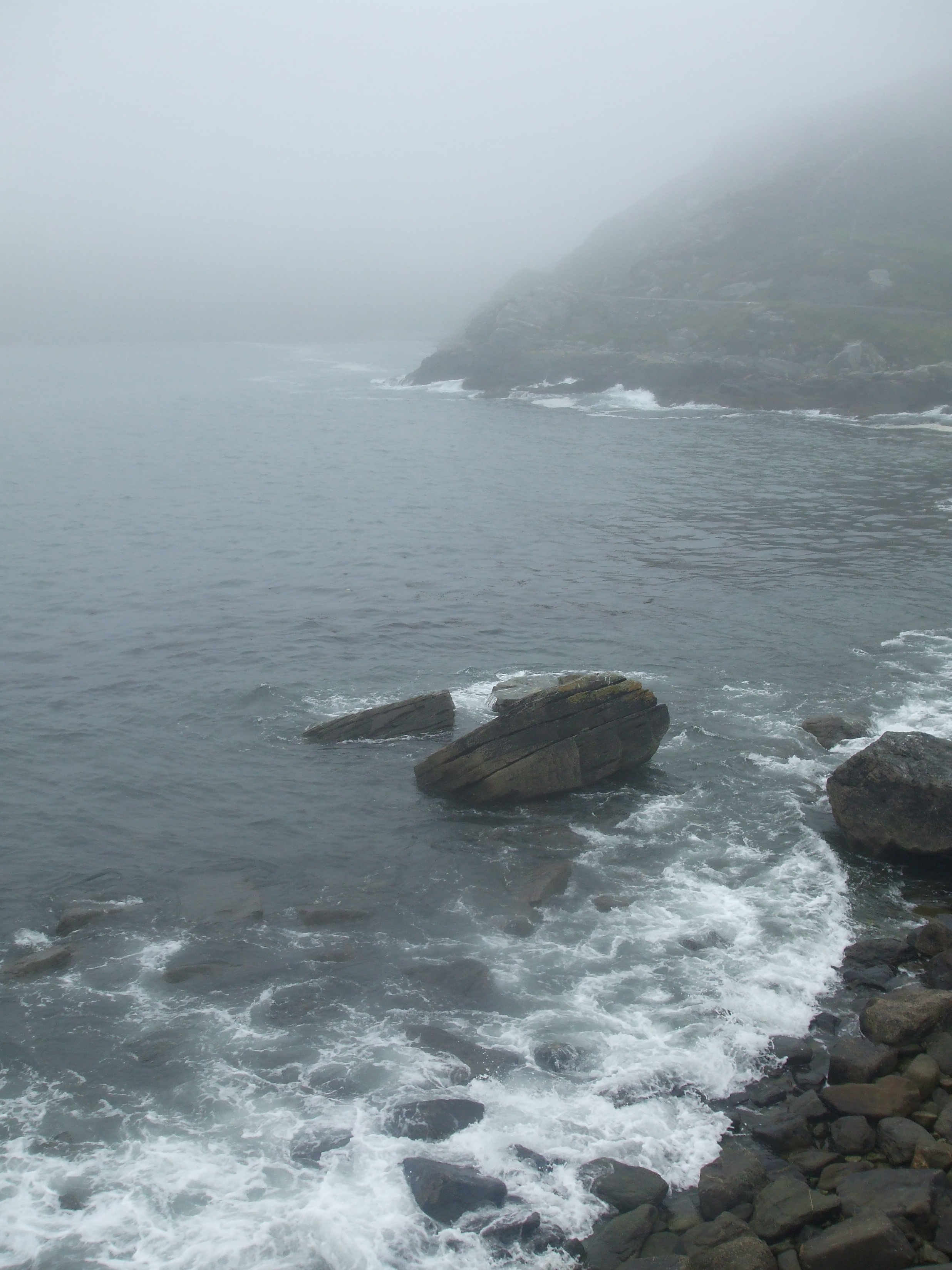
Cape Clear lighthouse in the mist (I’m only a few metres away)

Wild walking ‘paths’, Cape Clear

Heading to the cliff walk in the mist (Cape Clear)

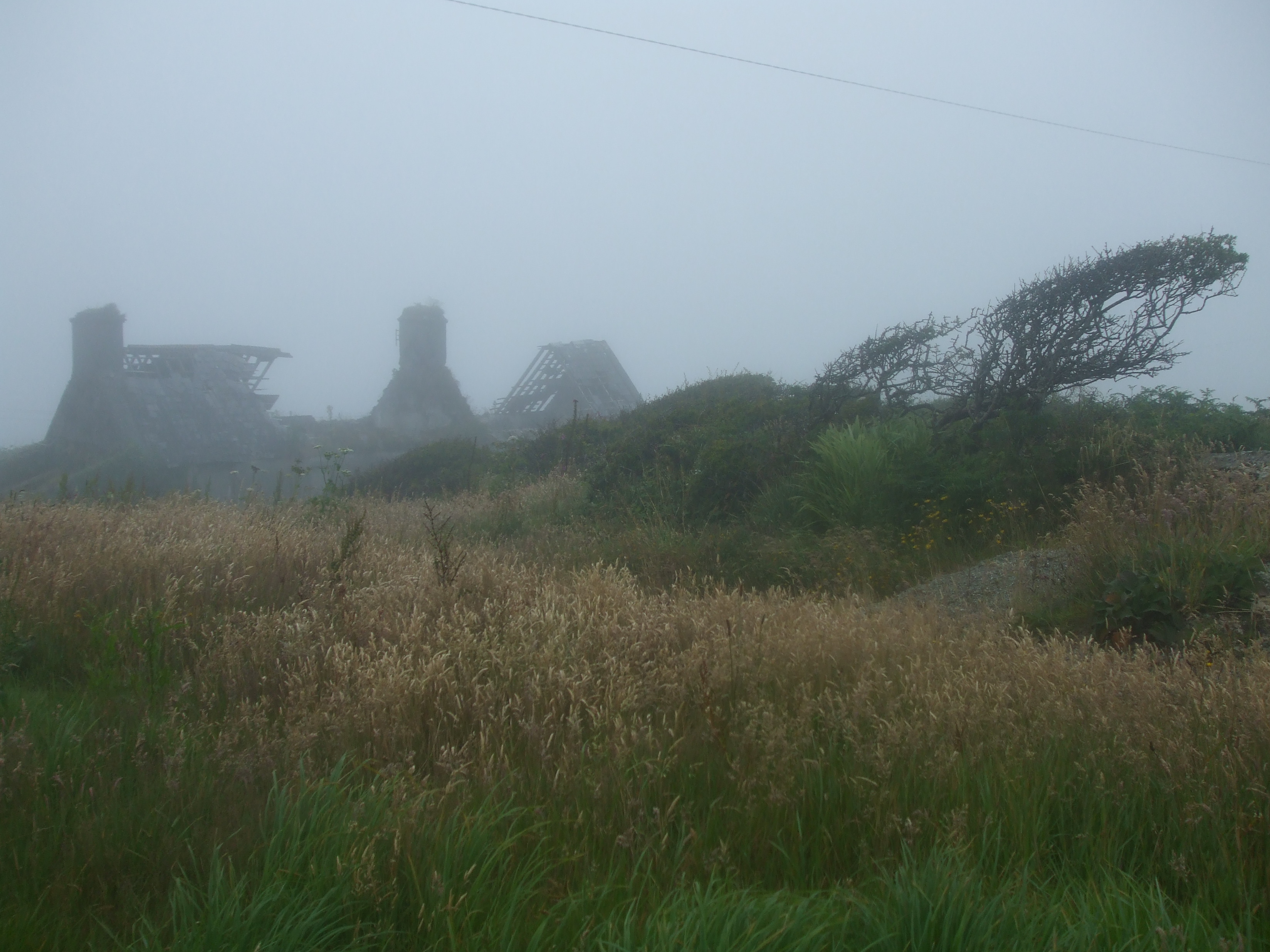
A haunting house – I love the way the tree mimics the roof

Garden roses in bloom

Another spooky walk…

Our first gherkin! (pickling season starts soon)

For the love of writing, keep going!

Rejected? Turn the page & start again.

Whenever you’re writing, no matter what stage of your career, it’s easy to become disheartened or start to question – what am I doing? After all, writing is a lonely occupation, full of uncertainty, self doubt and rejection. There are no guarantees that what you write will be good enough for publication or, if it is good enough for publication, that it will earn you any monetary gain.

But if publication and money are the only reasons you write, you might as well stop right now.

Remember, writing is a thing of joy – after all, isn’t that why we spend hours formulating ideas, reworking drafts, shaping words into the tales we want to tell? Of course there will be down sides – such as an editor telling you they liked your book but it doesn’t fit their current list – but these down sides are what make us better, stronger and more resilient. In short, the setbacks are what spur us on, so long as that’s the standpoint we adopt.

As @angelreadman recently tweeted to me: “Everytime I get rejected I feel down for an hour, then re-write the piece. I turn the disappointment into fuel.

Exactly! As writers, we have to take control of our writing careers in many ways; writing, marketing, evaluating and improving. But most of all, we have to keep going. No one else is going to write for us. And if we’re going to let every small criticism set us back, then we’ll stay static in our careers.

Writing is not like a standard nine to five job. You can’t have paid sick days. If you sit back and take it easy for an hour or two, you’re the only one that will suffer. You can’t hide behind a more confident colleague or let someone else make decisions for you.

Surely, that’s the brilliance of writing? As a writer, there’s freedom to schedule your own routine, to work on projects of your choice, to create just for you. You can mess up as much as you want; people will only see the draft that you want them to see. Everything else can be kept private and then turned into something positive. You just need to harness it as fuel for improvement.

But if you’re finding things difficult and are looking for inspiration, here’s a story that might put things in perspective for you…

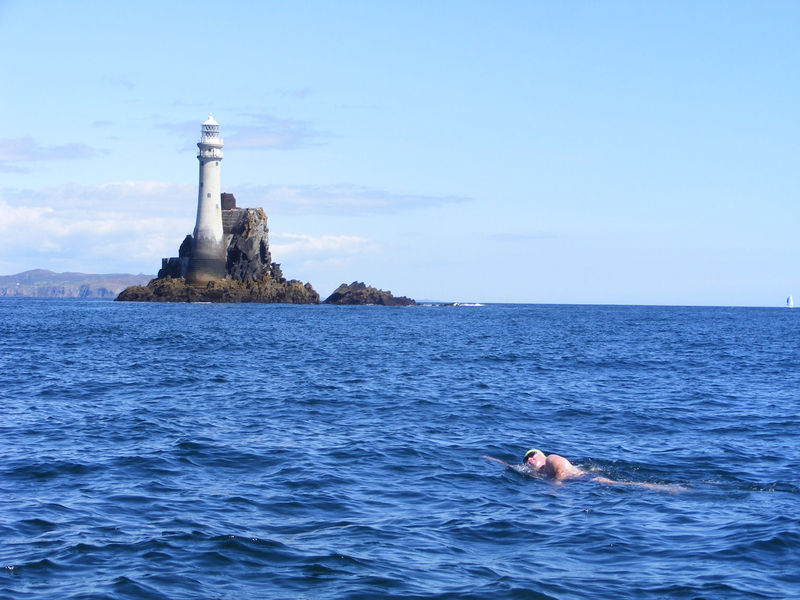
Earlier this week, endurance swimmer and local hero Steve Redmond returned to Ballydehob, West Cork, after becoming the first person in history to achieve the Oceans Seven challenge.

Steve swimming round the dangerous Fastnet Rock

Returning from the Tsugaru Strait swim in Japan, the final leg of his record-breaking attempt, Steve said he was particularly delighted with the victory because at one stage, failure seemed imminent – and he had already failed this final leg three times.

But for Steve, failure was not an option. Like @angelreadman, he took the failed attempts and turned them into fuel for another try.

The Daily News of Open Water Swimming reported Steve saying:

I just can’t go home. Too many people have supported me… I cannot fail. This [Tsugaru] Channel will be the death of me. You just don’t know what this [failure] would do to me.”

As writers, we understand too well. So how did Steve put the past failures behind him and keep going?

Apparently, he concentrated on mantras from his children as well as focusing on the knowledge that he had his home village and county supporting him.

I use anything that gives me a mental edge. Marathon swimming is about as close as you can get to death while you are alive here on Earth. You lose all sense of perception while you are swimming in such difficult conditions.

As writers, we may not be facing life-threatening conditions, but we are facing a journey that risks failure. We’re putting our work out there – complete with passion, heart and soul – for others to reject and criticise (or hopefully enjoy and praise). Once we take the plunge and send off a submission, we can only hope that the reaction is a positive one.

But like Steve Redmond, we have to keep going. If we want to be career writers, we have to go against adversity and reach for our dreams, whatever it takes. This means writing from the heart, using every writing technique we know and learning as we go. We have to allow ourselves to fail and use setbacks to improve.

We’re human, so we’re often impatient and unrealistic, expecting everything to happen quickly. But it takes time and endurance to establish a career and success. It took Steve three years to accomplish what he set out to do – but I bet he would have kept going until completion, no matter how many attempts were required.

So, for the love of writing, keep going.

Read more about Steve Redmond’s incredible world record success here.