Coastal Treasure

One of the beauties of living near the sea is being able to go fishing. And, of course, exploring. Although the nearby rock pools don’t hold much more than sea urchins and winkles when the tide goes out, I’m lucky enough to have some shrimp pots at my disposal and these are wonderful for investigating the creatures that live around the shoreline.

We do use the pots for catching shrimp – they usually yield enough for one meal for two per haul – but sometimes the weather can be too erratic or else we’re too busy to get out with the tides and we don’t get to collect the pots for a week or more. This is usually bad for two reasons: 1) the pots get damaged due to stormy weather or 2) the pots get damaged due to crabs trying to snip their way in (or their way out).

Yesterday, we hauled the shrimp pots after a three week stint in the sea. We let any shrimp go and instead, recorded our findings – our coastal treasures! Here’s what we accidentally collected…

irish rock pools

This eel-like butterfish like muddy shores and is a staple food for the black cormorant, a frequent sight along the Irish coast.

Irish Common Blenny

The Common Blenny has little buggy eyes and a lovely greenish hue that makes it easy for hiding in seaweed. You might find him in rock pools.

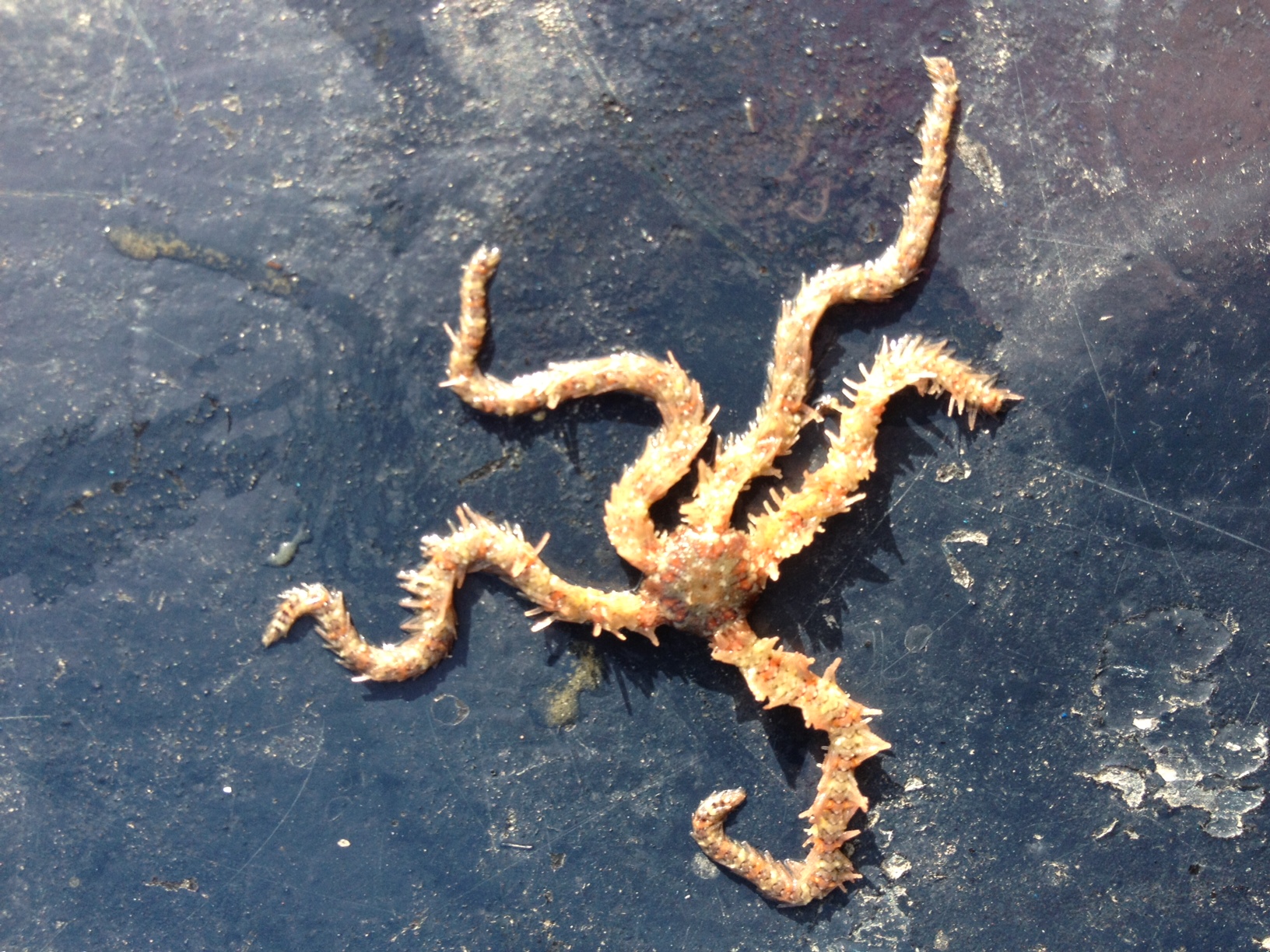
Brittlestar, irish coast

This is the first Common Brittle-star I’ve ever seen, even though they’re meant to be widespread. It took a bit of patience for it to open all its legs after handling, but it was worth the wait!

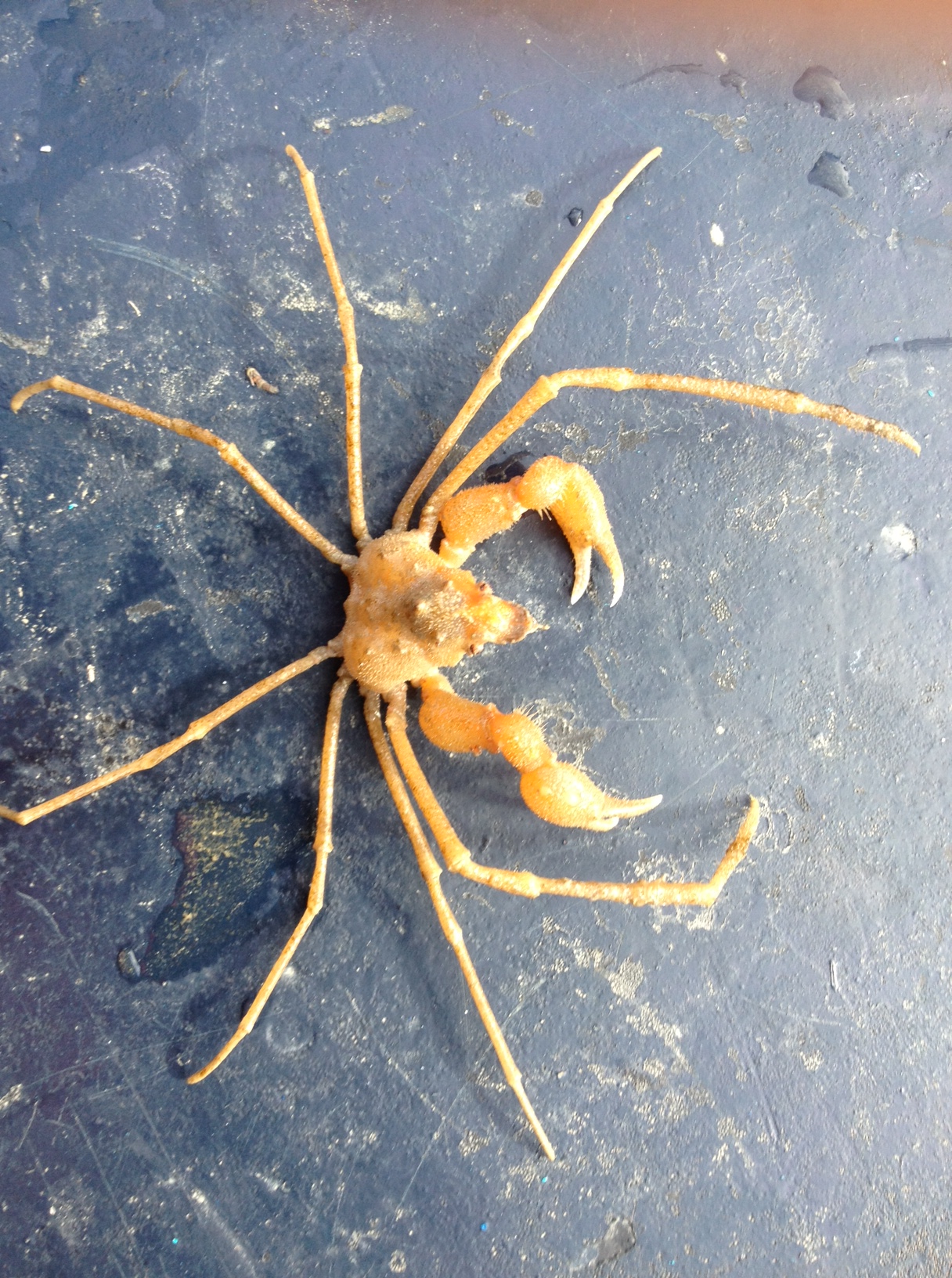
Irish coastal crabs

A master of disguise, the spider crab is often overlooked but I think he’s a handsome chap!

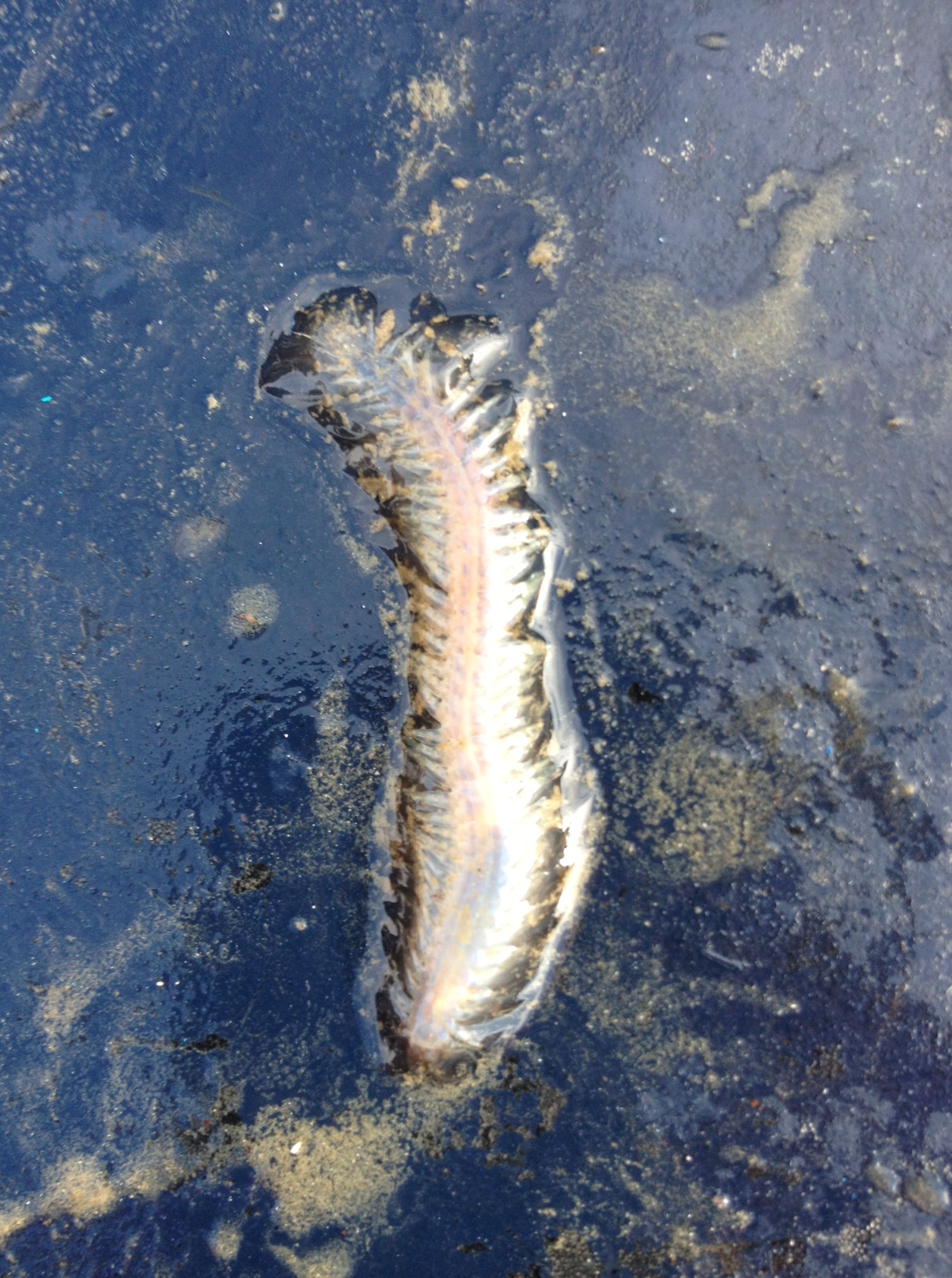
water millipede, ireland

I thought this looked more like a flat-backed millipede but they only live on land. A ragworm is the closest I can get to this creature of many legs! Surprisingly slow moving.

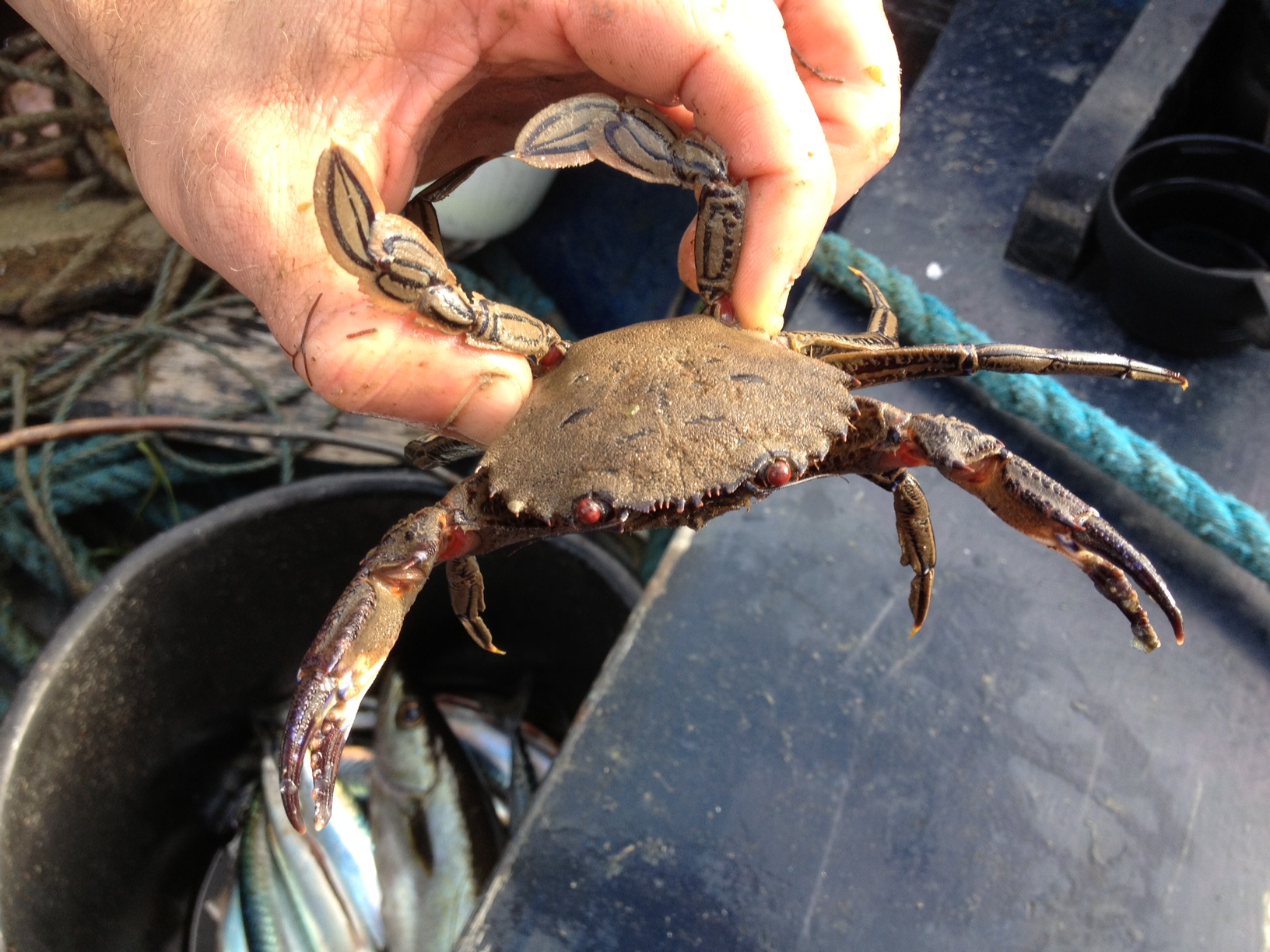
swimming crabs, ireland

The Velvet Swimming Crab lives up to his name & is amazing to watch in the water. I love the shape and designs on his back legs – aren’t they gorgeous?

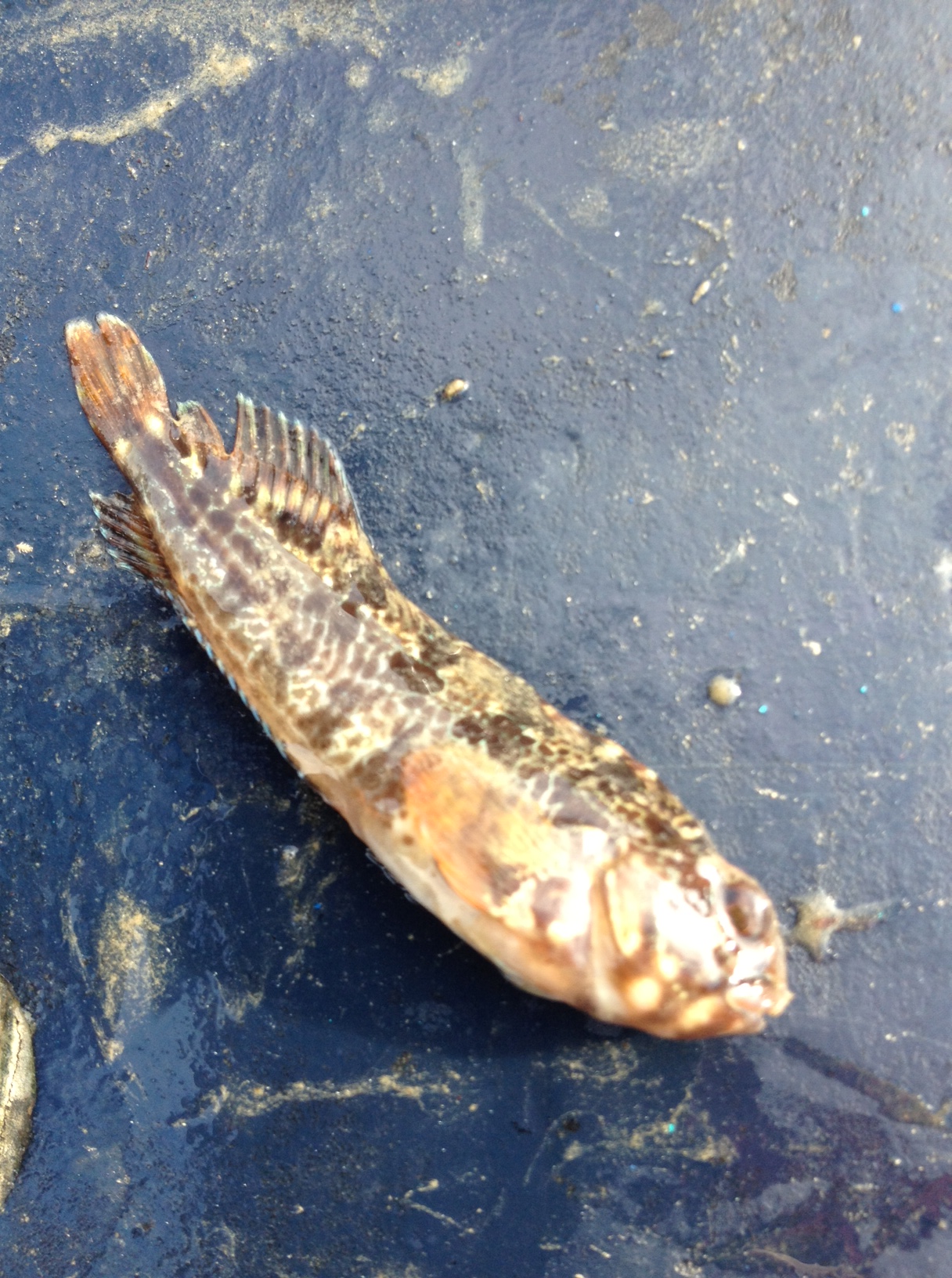
weird sea creatures ireland

No idea what this is – still trying to figure it out. When you try and remove it, it spits water at you. Answers in the comments section please!

Edible crab, ireland

This edible brown crab was a gift from a local fisherman and I’m sorry to say, yes, he did go in the pot – but he was delicious.

fishing injury, ireland

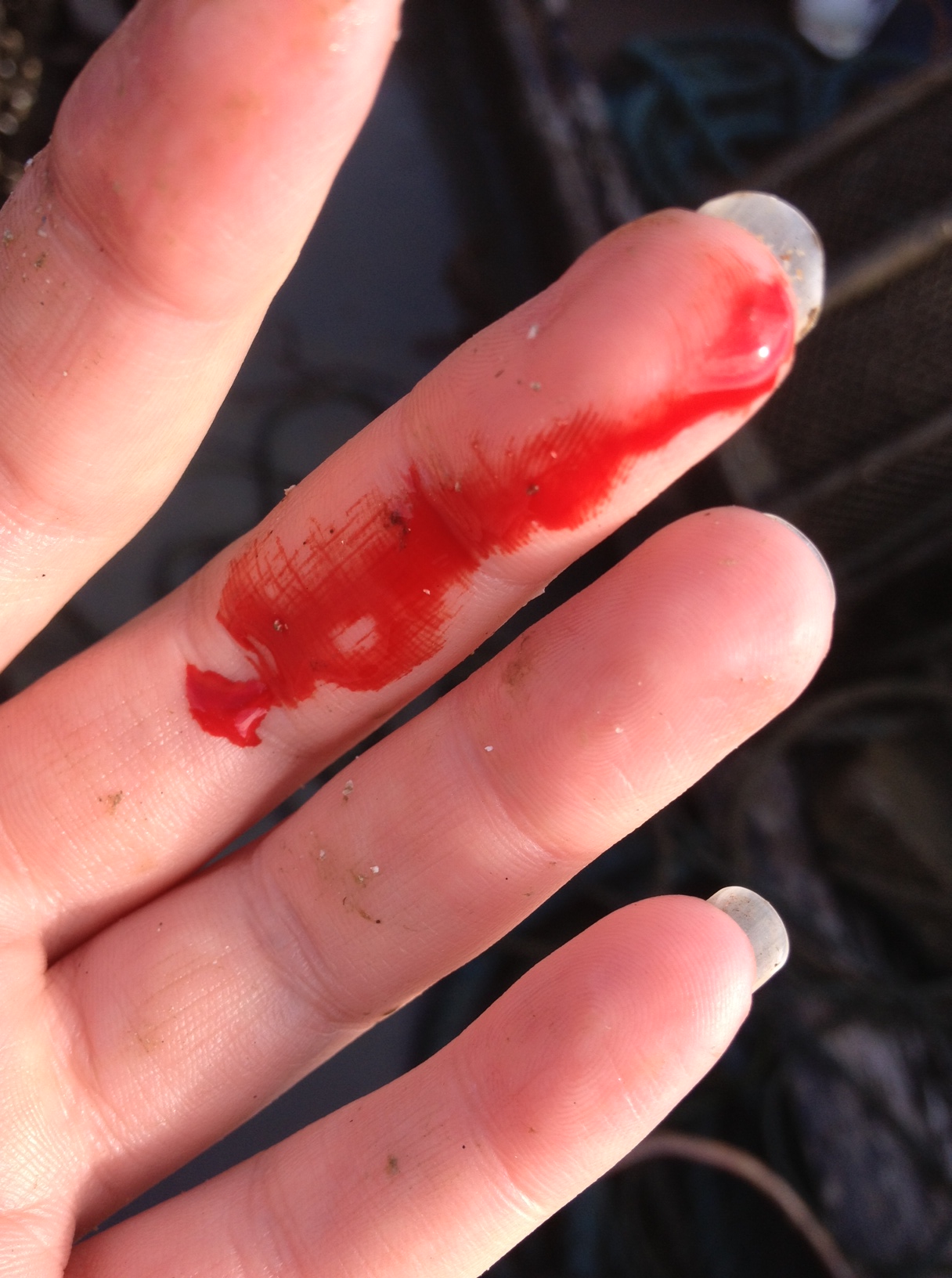
But just in case you think it’s all fun and games, you do have to be careful. This was caused by a damaged shrimp pot. It caught me in several places as I pulled it in. Still, it was worth it for the investigations!


Innovation & Quality: Writing for Children with WritersWebTV

online writing workshops

The brains behind the operation…

I recently watched the inaugural live online writing workshop ‘Finding the magic: Writing for Children’ – an innovative world first from WritersWebTV, presented by Vanessa O’Loughlin of writing.ie.

Although I wasn’t sure what to expect, I’ve had lots of wonderful experiences linked to Vanessaincluding finding my agent (Sallyanne Sweeney), the place I now call home and as a result, my husband! – so I was pretty certain that it would be a quality affair.

Although it’s not usually easy, I was willing to write off a day of writing to immerse myself in advice from talented authors and industry professionals. The list was impressive, with the likes of Michael Emberley, Marie Louise Fitzpatrick, Norton Vergien, Oisin McGann and Meg Rosoff on hand to share their knowledge of the industry and writing tips, answer questions and set short writing tasks.

online writing workshops

Attend the workshop from anywhere in the world? A great idea!

Even though some parts of the workshop weren’t relevant to me – I already have an agent, for instance – I dipped in and out, garnering bits of knowledge that made me stop, think and at times, rethink my own approach. I also found myself enjoying snippets of advice that I could relate to, stuff that left me nodding and smile knowingly.

The set up was impressive and multi-faceted, featuring the host Vanessa, an in-house audience and an interactive online global audience with a two-way communication stream via twitter, facebook and email. Despite the fact that the workshop was online, it maintained an inclusive and personal feel and I feel the positive feedback they’re receiving is well deserved.

Covering everything from animation to publishing, illustration to collaboration, finding an agent to finding your voice, this was something I had never experienced before and didn’t really believe could actually be done – at least, not to this standard.

I don’t want to spoil it for you – those of you who missed it and are serious about your writing career can buy it online & watch it for yourself – but here are a few of my favourite bits I’d like to share, to give you a taster…

  • The sign of good writing is to take a feeling and put it down on paper convincingly – being able to create suspense is important and make sure it’s not boring for the child.” Michael Emberley
  • Write, rework, return to your work – time lapse enables mistakes to jump out at you. It took me 14 years to write one of my books and get it right – it was turned down by same publisher 3 times, and taken on the fourth occasion. Not rushing is vitally important.” Marie Louise Fitzpatrick
  • A good agent will understand the market, will know gaps in a publisher’s list and have good contacts within the publishing industry. They’ll also help you work on your book, matching your script to the right editor. If you’re lucky enough to get an agent, it’s important you feel the agent understands your book – they have your vision.” Polly Nolan
  • You don’t need a lot of description but you do need the right words – but trust in your reader and leave some things to their imagination. What you leave out as important as what you leave in.” Meg Rosoff
using social media for writing

Social Media: providing a two-way stream during the workshop

This is just a taste of what was on offer, but if you can imagine an entire day – from 10am till 4pm – of such gems, with the chance to interact via twitter, facebook and email and have your questions answered by industry professionals, then you’ll understand why I’m highly recommending the next few workshops.

  • Getting to the Heart of it: Writing Women’s Fiction Tuesday, October 15th
  • Crime Pays: Writing Crime Fiction Wednesday, October 30th
  • Getting Published Saturday, November 9th

I’d love to know who else tuned in to the first workshop and what you thought of it. And who’s tuning in next time? Even if you don’t write in those genres, you may pick up something useful as the information is always transferable and as writers, we can always improve.

Highlights: Cork International Short Story Festival

This year’s Cork International Short Story Festival was incredible; engaging readings, enlightening author discussions, excellent workshops and a warm welcome. With a mixture of free and ticketed events, the festival conveyed a truly unique and international feel and I’ve come away buzzing.

I attended the four day ‘Uncanny’ workshop with Alannah Hopkins as well as the majority of the readings, so there’s a lot to digest. While I’m collating my thoughts, here are some of my personal highlights…

UCC entrance

The gorgeous UCC grounds – the morning walk prepared the brain for the intensive ‘Uncanny’ workshop

writers in Cork

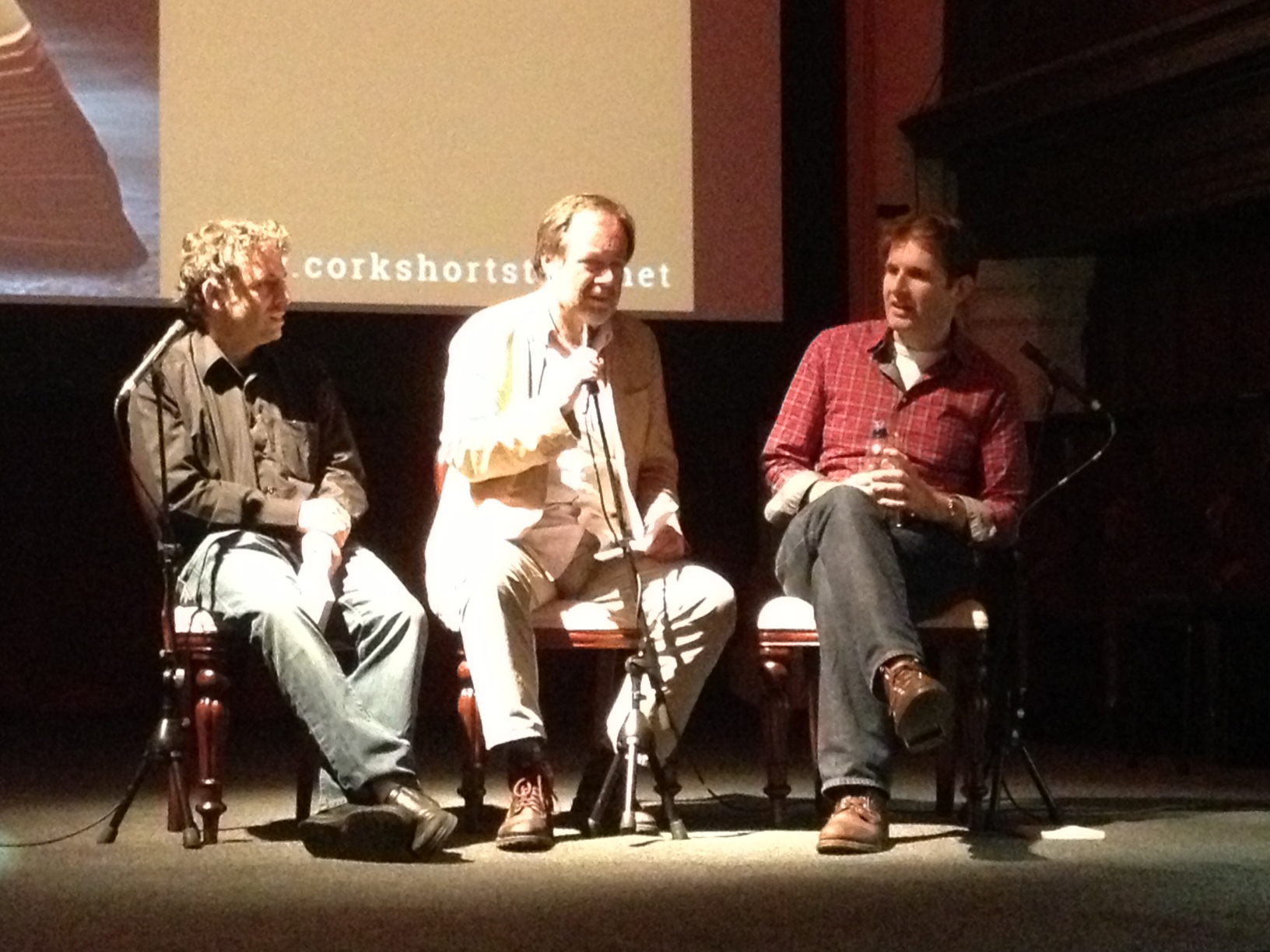
Matthew Sweeney in discussion with Etgar Keret and Adam Marek – amusing & surreal

Triskel, Cork

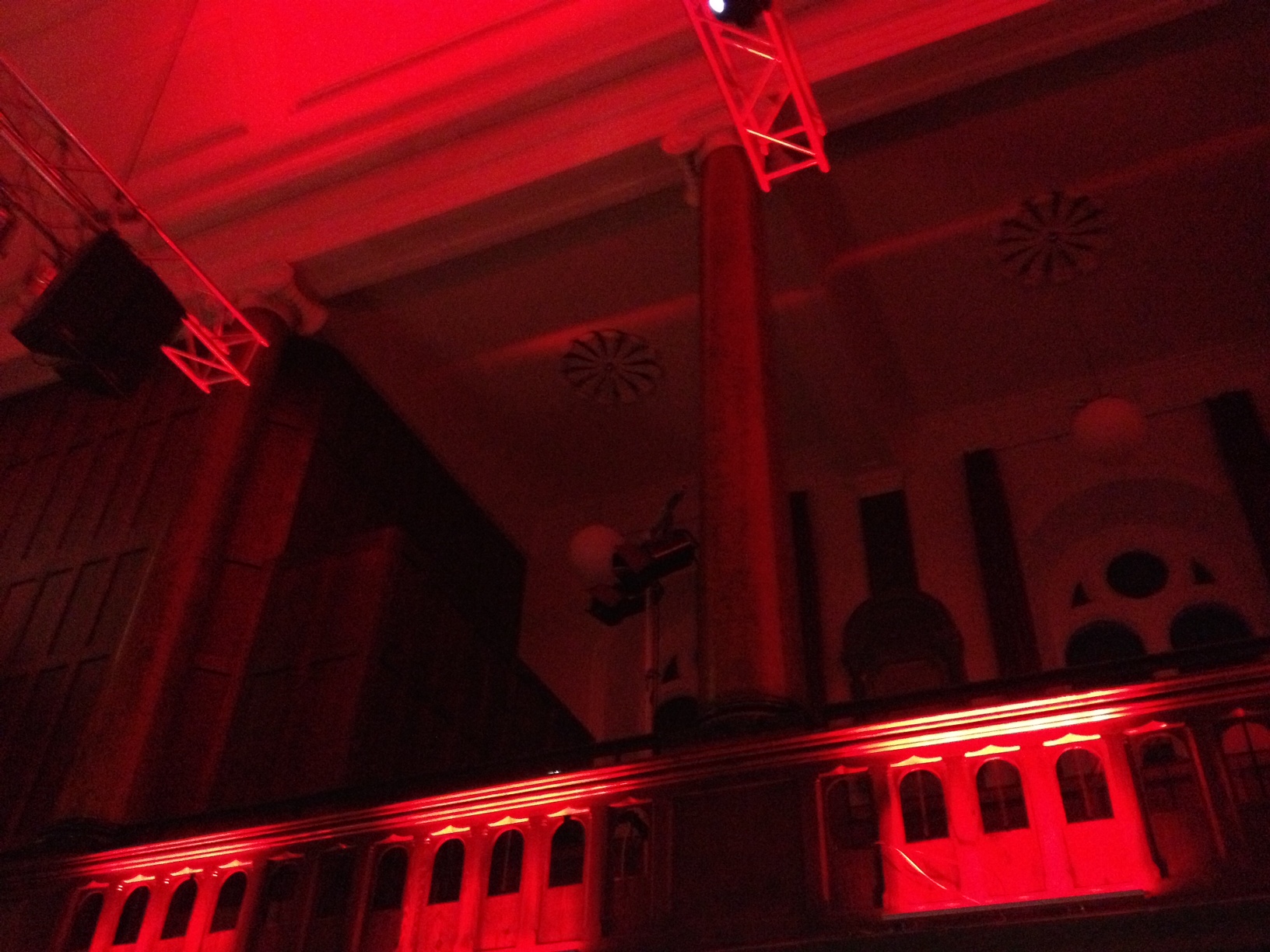
The stunning Triskel Christchurch setting – could also be the perfect backdrop for an ‘Uncanny” story.

Donal Ryan in Cork

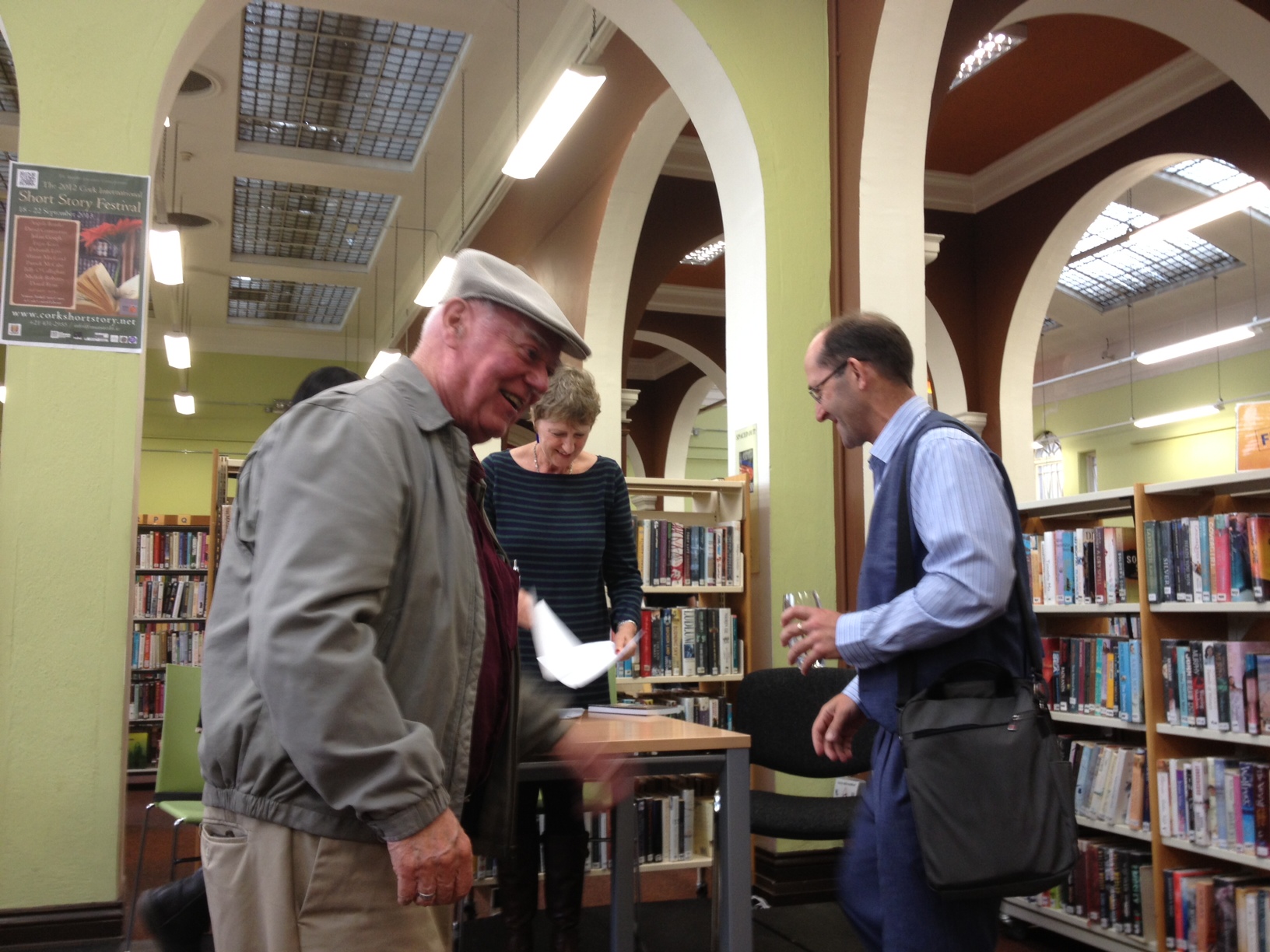
Donal Ryan – not only a fabulous writer, but also hilariously funny and very approachable. He took time to talk to everyone during the book signing.

Alistair MacLeod, Cork

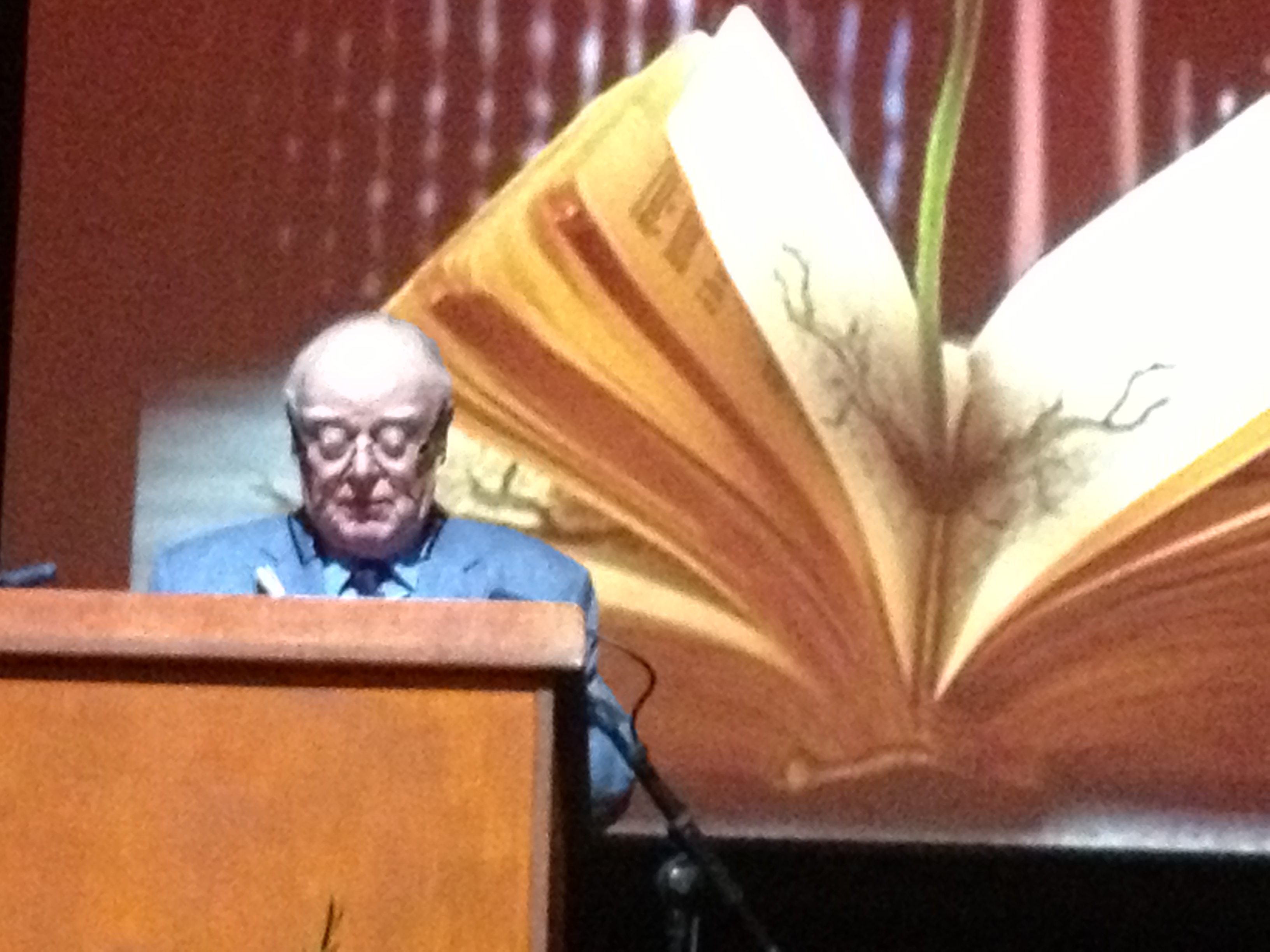
The legendary Alistair MacLeod reading a new story

Deborah Levy, Cork

Deborah Levy reading from her wonderful collection, Black Vodka.

The inclusive, welcoming atmosphere prevaled throughout the festival - and it was really cool bumping into Alistair MacLeod everywhere!

The inclusive, welcoming atmosphere prevaled throughout the festival – and it was really cool bumping into Alistair MacLeod everywhere!

What are you working on?

Autumn's tastiest fruit

Glistening and juicy, just asking to be turned into jam

It’s a wonderful time of year here; monbretia and fuschia line the roadways, blackberries are ripe for picking and the skies get moodier as the sunny days are tinged with a slight chill in the mornings. Autumn is becoming visible in the auburn-tinged ferns and wilting ivy. But most importantly, the crazy pace of the summer (tourist) season is slowing down so it’s freeing up more time to write.

This autumn/winter, my schedule looks like this so far:

autumn in west cork

The ivy is dying back, offering beautiful colour to hedgerows

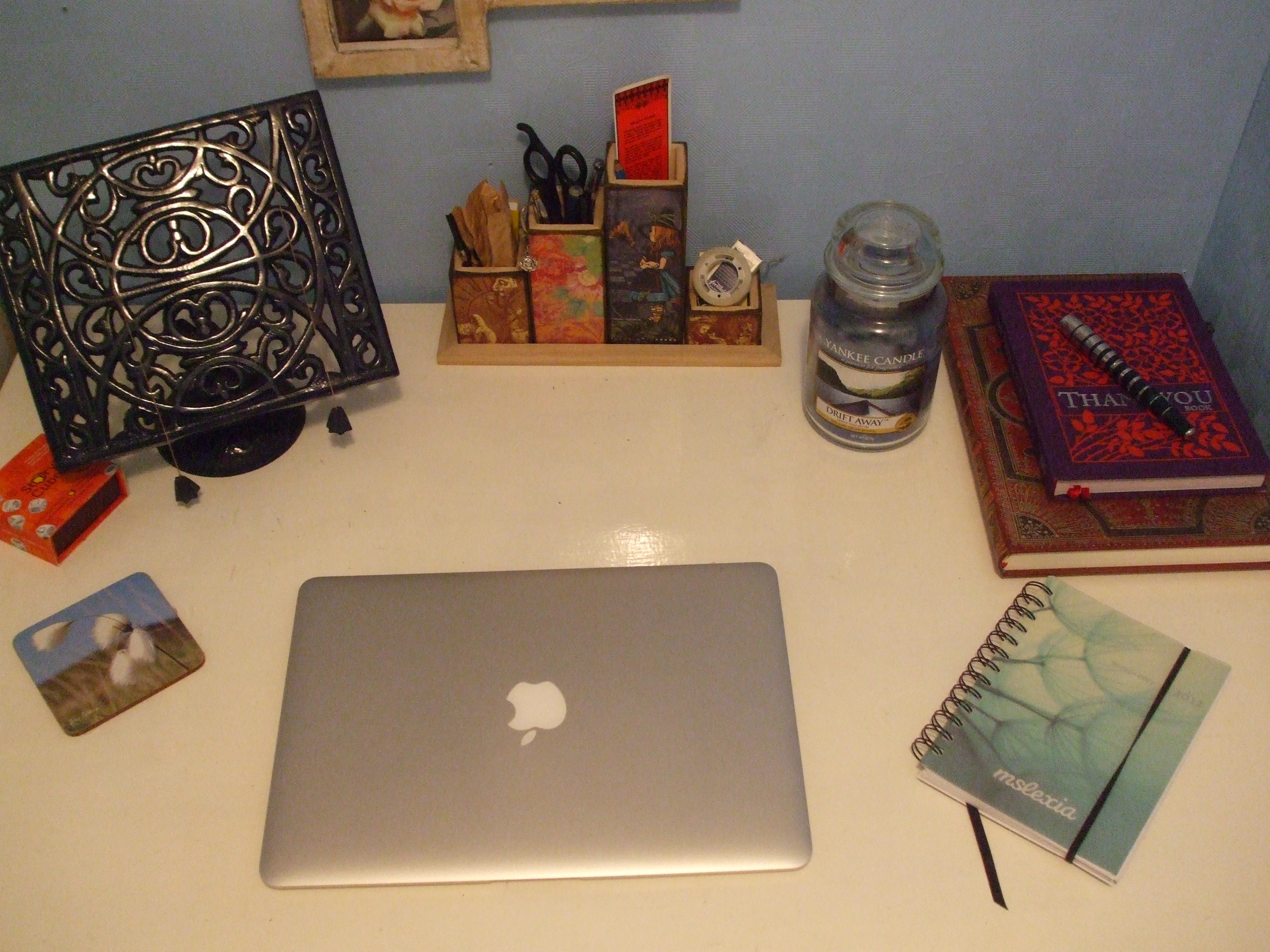
I love the quiet mornings in autumn/winter when I can light a scented candle, treat my feet to soft slippers and write solidly for an hour or two before anyone stirs.

It takes a bit of getting used to as the days draw in and cool down – and sometimes it takes a bit of extra effort to haul myself from under the duvet – but I feel very lucky to have the opportunity to switch to a slower pace of life.

And although writing can be a lonely pursuit, I love having a blog because I can connect with other writers and nature lovers, and we can share what’s happening in our lives.

So what I’d really like to know is – what’s your favourite thing about autumn and winter? And if you’re a writer, what are you working on?

How does your garden grow?

It’s been a while since I posted any updates about the garden, but this doesn’t mean I haven’t been scurrying away trying to nurture the soil, maximise the sun’s potential and tame the weeds.

It’s been an excellent year all round for the garden and I’m pleased with the results. Just like writing, a little nurturing (read: lots of hours planning, preparing, trimming, pruning, digging & feeding) goes a long way…

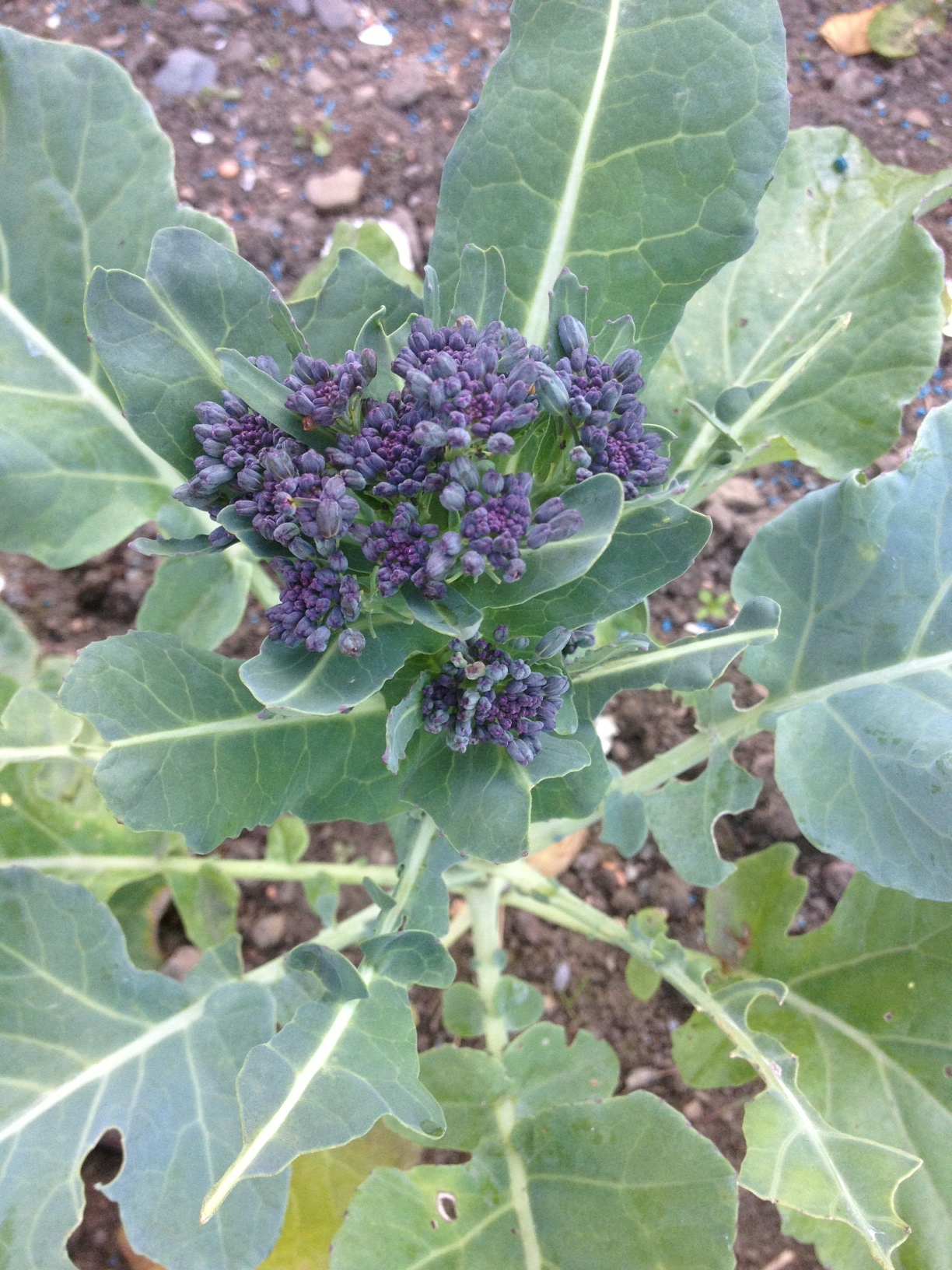
sprouting broccoli early signs of fruit

These purple broccoli were a surprise: hidden in with some replacement spinach plants

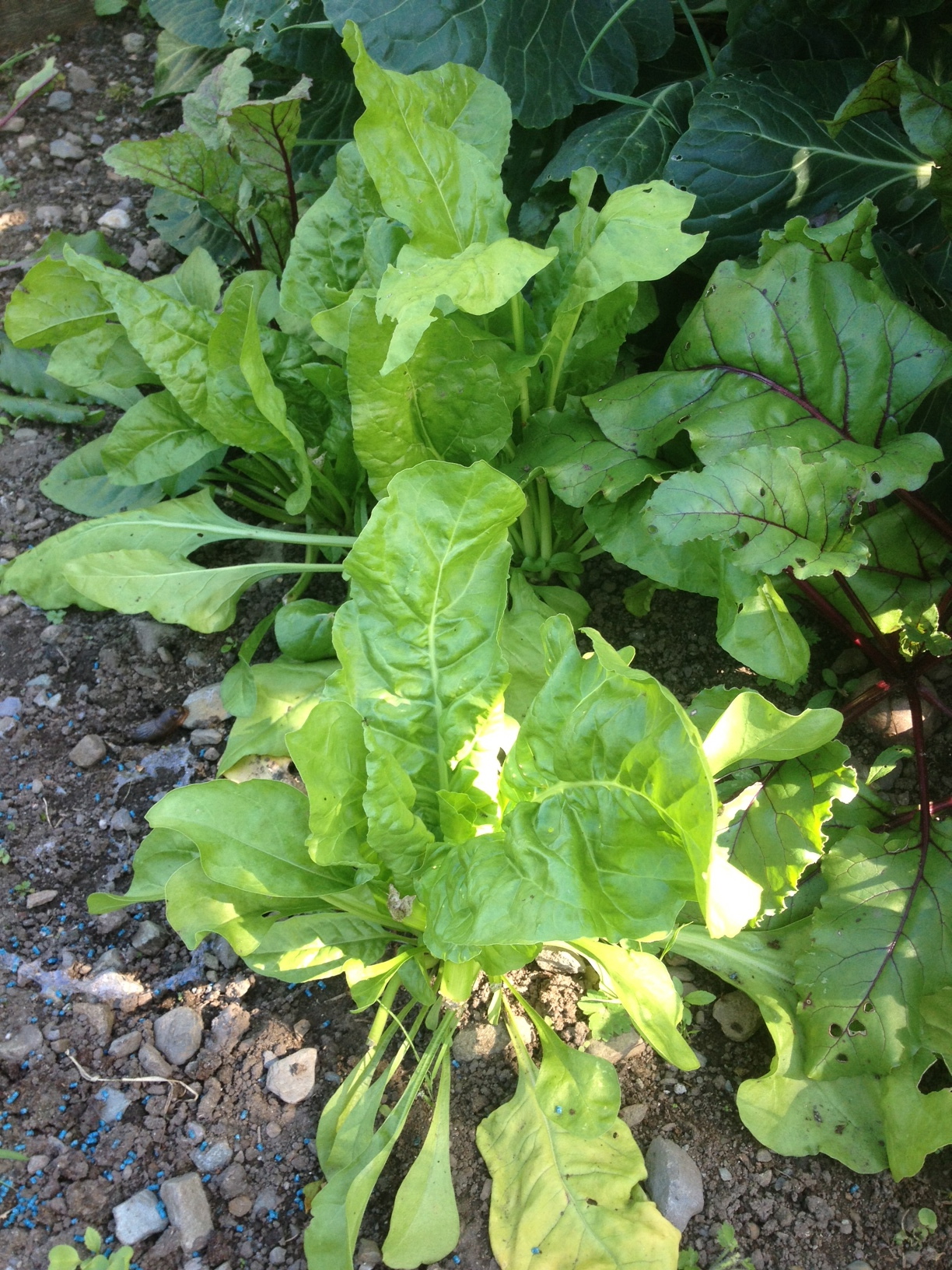
Maturing spinach plants

These are the replacement spinach: the first bolted because of too much sun but I know where to plant them now for next year

Maturing greyhound cabbages

Cabbages love our soil – and despite the butterflies loving them for their eggs, we’ve done well this year. The next (winter) batch are currently germinating in the greenhouse PS Best bacon & cabbage ever when home grown!

baby radishes grown from seed

These may not look like much but they’ve grown this big from seed in two weeks: the first radishes I’ve grown as for some reason I think I don’t like them (but can’t remember last time I tried them)

beetroot ready to pick and pickle

Considered a bit of a superfood, I just love beetroot! This is a test crop, checking out the soil. As you can see, it loves it. However, we have another 60 or so in the field that are looking good. They can stay in the ground quite a long time so handy to grow.

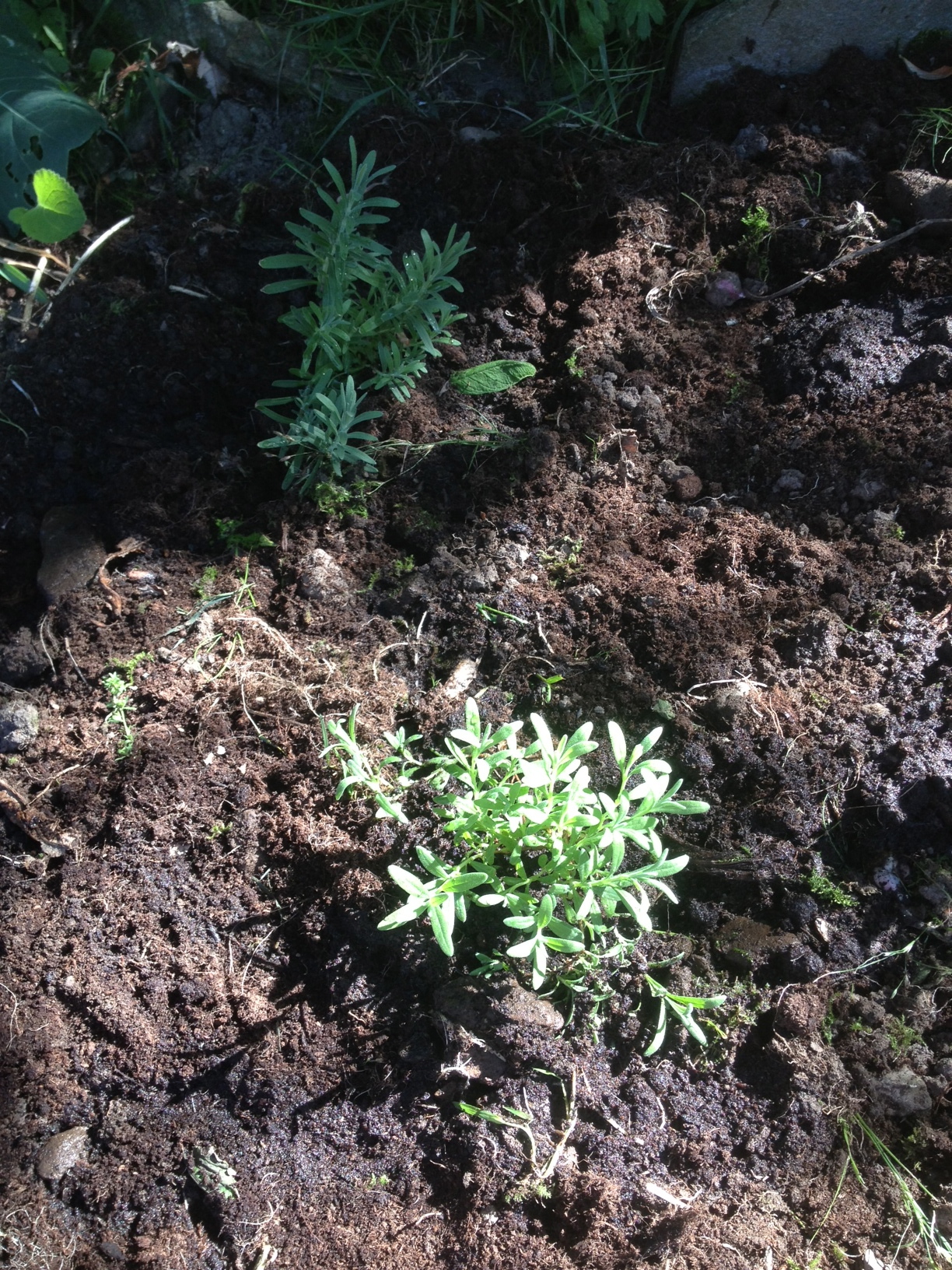
Rosemary plants transfered to soil from tunnel

Fresh rosemary is beautiful for stews, so I’ve nurtured these in the greenhouse and am now planting out so it can get used to its new surroundings before the winter comes

Home grown sweet basil

Basil is one of my favourite herbs – I love the smell and the taste. I’m not sure about the soil or how resilient the plants will be so I’ve planted one pot out and have kept another one back in the tunnel, just in case!

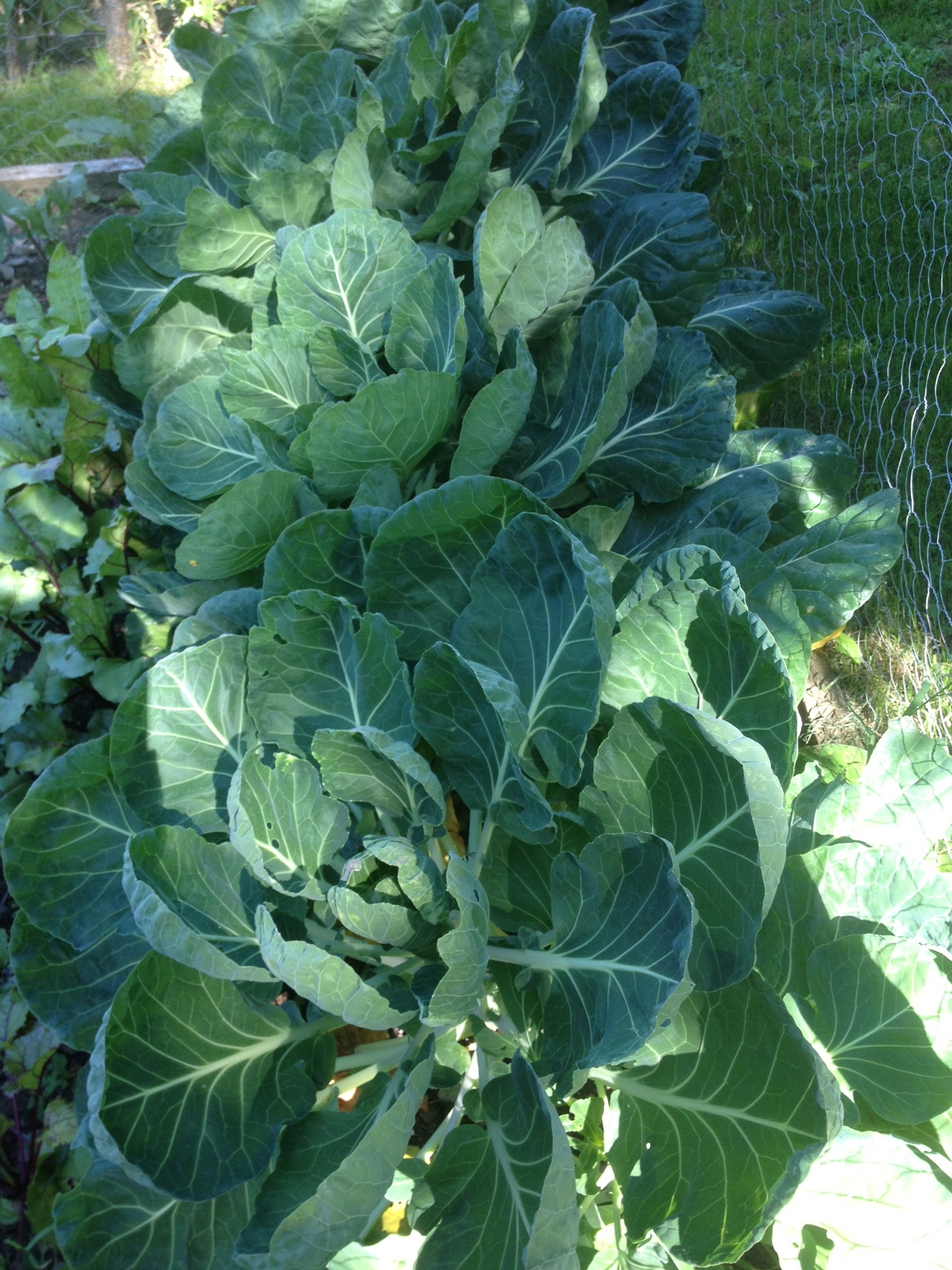
maturing sprout plants

Year after year, sprouts are our big success story. In fact, I think we still have a few bags of frozen sprouts from last year! If you’re not a sprout lover, look away!

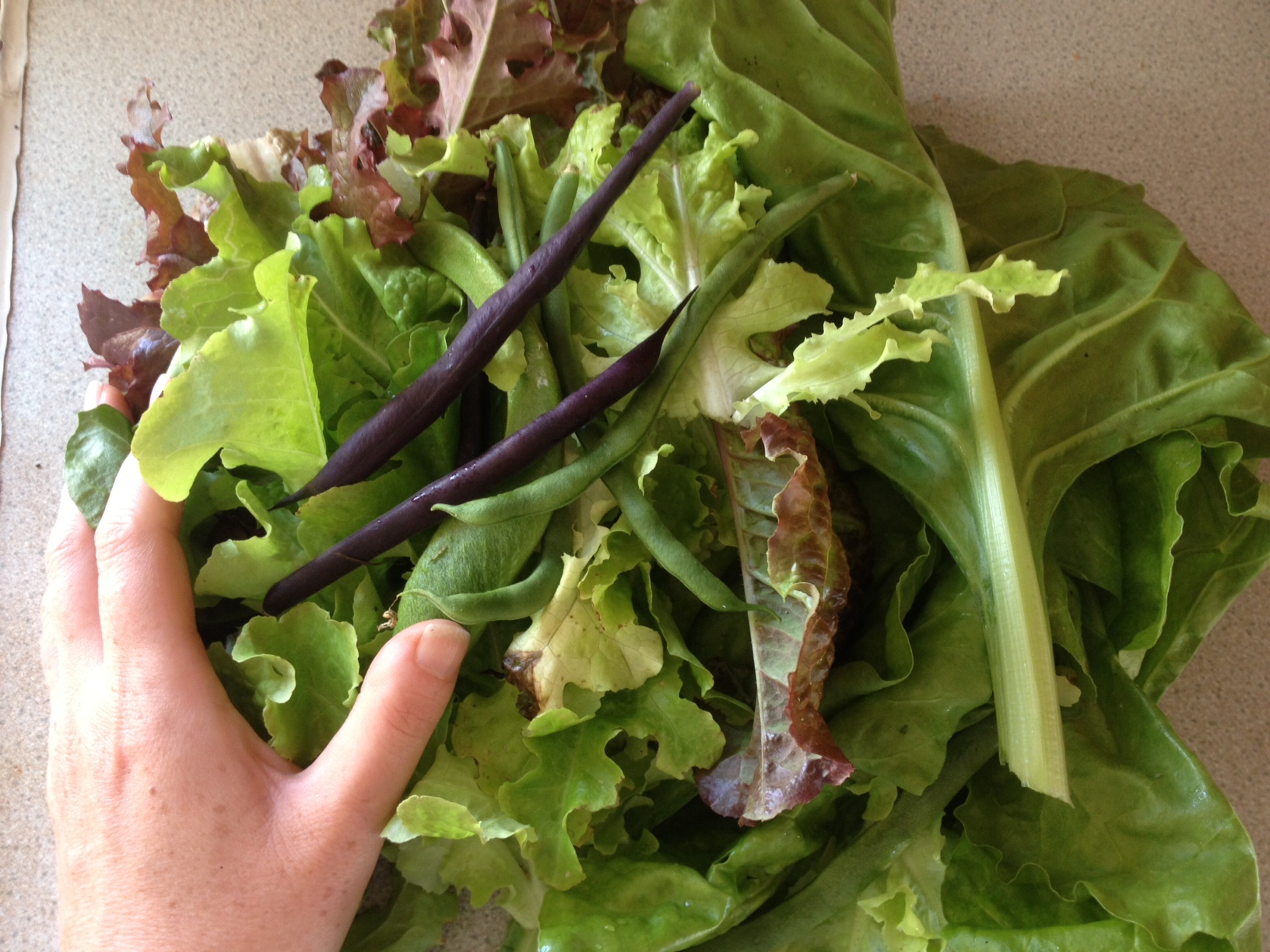
grow your own vegetables for cheaper meals

I guess this shows why it’s all worth it. There’s nothing better than going into your garden every day, harvesting what you can and then making a meal out of it (pictured here is lettuce, green beans, purple beans, spinach)

Short stories – is there a winning formula?

In the world of publishing, there’s not much demand for short stories. Why? Because short story collections don’t sell as well as novels. Yet certain countries – including Ireland, America and Canada – have short stories in their blood, their cultural identity and still have a healthy attitude towards the art form.

Mary Costello's excellent collectionIn recent years, there have been incredible collections from writers such as Mary Costello, Kevin Barry, Deborah Willis, Alexander McCleod and David Constantine (a limited list but just a sample). There are some excellent short story competitions out there, like the Bridport Prize, Fish Prize, Francis MacManus and Seán Ó Faoláin to name but a few. Then there’s the excellent Cork International Short Story Festival, where the genre is celebrated.

It’s great to know that the short story is not a dying breed, but how do you go about writing a damn good short story?

Personally, I struggle with short stories. I find them at once infuriating, enticing, frustrating – in other words, they’re challenging. But what writer doesn’t like a challenge?

Recently, I was shortlisted for a noteworthy competition in Ireland and this meant I got to hear my story read out on radio by an actor. Of course, I was excited by the result, but I didn’t realise what an impact the overall experience would have.

Hearing the recording provided me with distance from my story so I could listen to it with fresh ears, rather than as something I’d written. I could also hear how someone else might read/approach/interpret it through the intonation in the actor’s voice. I always read my own writing out loud to spot errors and weak sentences, but it was completely different listening to a stranger read your words.

Most importantly, the overall experience also did something else: it made me raise the bar. I realised (without reluctance) that the next few entries I’d prepared for submission weren’t up to scratch. They needed time to mature. They still do.

This is a steep learning curve in the early stages of writing. I’ve come across many enthusiastic new writers complaining about the ever-decreasing ‘competition fund’ and lack of results. They worry that their work isn’t being read/understood/given enough of a chance. When in fact, the work probably just isn’t ready yet.

I’m not belittling their concerns or their work; indeed, I was one of those people a few years back. But something changed. It’s called writing maturity.

After several rejections, a smattering of near misses and a growing pile of longlists and shortlists (but never a win), you find your impatience simmers down, your arrogance bows its head and you start to focus on what really matters. Quality not quantity.

You worry less about the amount and frequency of competitions you enter and concentrate instead on getting it right. After a while, you realise that submitting one, really really good story in a year and having it recognised by the judges is far better than bashing out ten mediocre attempts that wouldn’t make it past the preliminary stages.

You may have a beautiful worded story but is it gripping enough? The opening might be a corker, but does the end deliver? Is the piece wordy just for the sake of it? Or does your favourite character (because it’s secretly revenge against that irritating neighbour/aunty/teacher that told you you’d never write) let the narrative down?

Writing, like anything else, needs time to develop, mature and improve. And this will never stop. You can always learn something new, try a different style, be more focused or more productive. But as your writing career develops, you begin to see your way more clearly. You can eke out troublesome characters, plot blips and unconvincing dialogue. Even if you can’t manhandle the meddlesome toads into something worthy, then you can at least spot them in time (before you send your work for submission and increase the risk of hitting the rejection pile).

So is there a winning formula for writing the perfect short story? I don’t think so. You just need to read lots of excellent examples and let them teach you. Then you have to write the very best short story that you can.Then try and write it better again.

And if it isn’t the very best it can be in time for the competition/submission deadline you had your eye on, impatience won’t get you anywhere. There’s always another year or another competition around the corner.

No Excuses: Write! – a guest post by Mariam Kobras

On my desk, right next to my coffee cup, lies Neil Gaiman’s booklet Make Good Art. I’m sure you’ve heard of it. It was his 2012 commencement speech at Philadelphia’s University of Arts. It’s been all over the internet, tweeted a million times, shared and posted on Facebook, and it contained such brilliant lines as “Legs crushed and then eaten by a mutant boa constrictor? Make good art!”
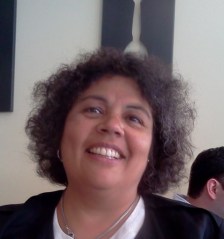
Mariam Kobras, author

Mariam at Beechwood Cafe

Of course it’s easy for someone like Neil Gaiman to say something like this. He’s a pop star icon of American literature. But how does this advice work for the rest of us? You know, authors like us who aren’t feted at book readings as if we were the reunited Beatles?

This is the last stop in the blog hop to celebrate the release of my book Song of the Storm, the final installment in the Stone Trilogy (The Distant Shore,Book I; Under the Same Sun, Book II). The trilogy tells the story of rock star Jon Stone, and his writer wife, Naomi Carlsson. They are both creative, both successful, but they took very different paths to get there. While Jon follows his dream with dedicated single-mindedness, Naomi feels guilty about her writing and doesn’t believe in her own talent until her husband virtually pushes her into writing.

This is where Neil Gaiman comes in. How does a person’s upbringing, a person’s character influence how successful they are at creating art? Is talent something that’s simply there or is it something that grows in you? Will it always make it to the surface?

Jon knows he has talent. He has a clear concept of what he can do and how to present it, and he easily sees what he needs to do to improve his music and singing. He’s a tireless creator of his public persona and is careful to keep up the perfect image. In a way, Jon is his own piece of art who only lets his guard down in private and only with carefully selected people.

He nearly throws a fit when his manager, Sal, meets him for lunch and brings along a strange girl, his date, without telling Jon first. In the same way, when Naomi wants to throw a Christmas party, he has a long argument with her about who gets invited, saying among other things that he doesn’t want strangers to see what brand of toilet paper the Stones use in their house.
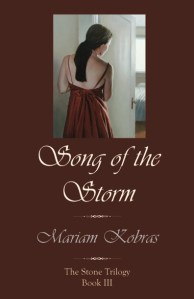
Mariam Kobras, latest releaseDon’t get me wrong—Jon is a very nice man. He’s very much in love with his wife, generous and caring with those close to him, and he is a wonderful composer. But he wants the world to see him in a particular light.

Naomi, on the other hand, is as insecure about her creativity as a one-legged, blind man walking on a tightrope. Her urge to write was squelched early in her life by her father who wanted her to take over the family business some day. He doesn’t believe in creating art even though he’s quite the connoisseur when it comes to collecting it.

Marrying Jon is a moment of liberation for Naomi: her husband is an artist, too. He understands, and recognizes her enormous talent. He sets her free to accept her writing as something precious, worthwhile. It’s almost as if Naomi needs this permission to put her talent to work. No one ever said to her, “Make good art, regardless of what else is going on in your life.” No one said it to me, either.

I remember well how when I was writing The Distant Shore, I kept apologizing to my family for spending so much time bent over my laptop, headphones on my ears. My writing was taking me away from household chores, from spending time with my husband and sons. They were very good about it and kept telling me not to worry and to just write, much the way Jon keeps telling Naomi.

It still felt like stolen time.

But I was making art. Maybe even good art, the book was snatched up by my publisher Buddhapuss Ink right away, and went on to win the Bronze IPPY Medal.

So what’s the lesson here?

I can’t say it any better than Neil Gaiman: Make good art.

Leg crushed and then eaten by a mutated boa constrictor? Make good art.

Fish fingers burnt and accidentally served with custard? Write.

A new episode of Once Upon A Time on TV? Finish that chapter. Write that book. Don’t feel guilty about it. It’s who you are.

Thank you, Elizabeth, for inviting me to be here for the conclusion of the Song of the Storm Blog Hop. I’ve had a blast!

I hope all the readers out there have had some fun over the course of the last two weeks, learned something new about me, and maybe, just maybe, were inspired to check out my books. I adore you all, and I’m honored to share my stories with you.

***

Huge thanks to Mariam for her post this week and I wish her the very best of luck with Song of the Storm. I rarely feature guest posts but Mariam has proved a valuable writing companion & friend on twitter/Facebook and so I was delighted to host her final blog hop post. Especially seeing as it happens to reflect my own attitude towards writing & include one of my literary heroes 🙂

Joe Prendergast – An Unexpected Treasure

As I said in my last post, summer is upon us and this is a particularly busy time of year here – writing, tourist season, visitors, hay baling, vegetable gardens etc – so I’m temporarily reducing my Green Fingered Writer posts to one a fortnight. As soon as things calm down, I’ll be back to the usual weekly updates.

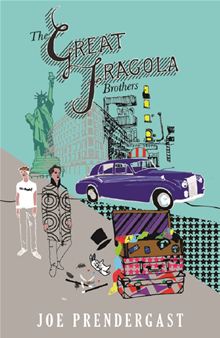
Written by 9 year old Joe Prendergast's first novel

Written by 9 year old Joe Prendergast

In this post, I’d like to tell you about an amazing little guy I met yesterday while working in the local bookshop in Schull, Whyte Books. (For those of you that aren’t aware, I’m helping out part-time, the perfect antedote to the solitude of writing. And when you see the place, you’ll understand why I love it.)

One of the great things about working in a bookshop is the people you meet. People who love books. People who need books. People who want to talk books. And sometimes, you meet unexpected treasures that stand out and inspire.

This young fellow, Joe Prendergast, is just 9 years old and the proud author of two adventure booksThe Great Fragola Brothers (2012) and The Great Fragola Brothers – The Twisted (2013) – with all proceeds donated to the Clinical Cancer Research Trust at St Vincent’s Hospital in Dublin.

According to Joe, he had written a few long stories before but never completed them. When he lost his dad to lung cancer last summer, he decided to complete a story as a dedication. But he had no idea where it would lead…

Now, with two books, several readings and television/radio interviews and the final installment of the trilogy underway, Joe Prendergast is in flying form. And as far as I’m concerned, he is to be admired on so many levels. Courage, dedication, determination and guts – this kid has it all. And I can’t wait to read his books. I’m preparing to be amazed. Again.

It was a delight to meet Joe and wonderful to see such a young boy so enthused, so motivated, so excited by writing. He was oozing dedication and joy and this made me stop and think.

How many times do we hear writers bemoaning their workload or complaining about deadlines?

Thankfully, I can honestly say that I rarely hear writers complain.

I have regularly come across panic, fear, self doubt and worry, but these are counterbalanced with joy, wonder, gratitude and celebration; and both the positive and the negative elements are accepted as part of a writer’s life.

I’ve never once heard anyone complain about having to sit at their desk and write. Because, like Joe, we writers love what we do. And we love it with a passion.

So meeting Joe not only made me want to whoop with joy at the thought of fresh talent, it also reminded me of my unwavering faith in the writing community – from writers and publishers to readers – and in the wonder of the written word.

Who inspired you today?

(You can read more about Joe in ‘Starting Early’, over on SJ O’Hart’s blog, Clockwatching…)

Bees do have a smell, you know…

Summer is upon us – clear skies, soaring temperatures, vegetable plants blossoming (or bolting, if you’re unlucky like we have been with our spinach) and the mackerel are starting to come into shore.

What I love most about summer is the bustle. The days are long and there’s so much to do when you’re living rurally, there’s a certain magic to the season, an extra bit of pep. My favourite quote about summer sums it up pretty nicely:

“Bees do have a smell, you know, and if they don’t they should, for their feet are dusted with spices from a million flowers.”
Ray Bradbury, Dandelion Wine

Beautiful, isn’t it?

Inevitable, this extra bustle requires extra effort on my part, so I’m reducing my blog posts to once a fortnight until the hay, animals and vegetables are happy and well. Hopefully, you won’t mind! And just in case, here are a few summery photos to put a smile on your face…

summertime in rural west cork

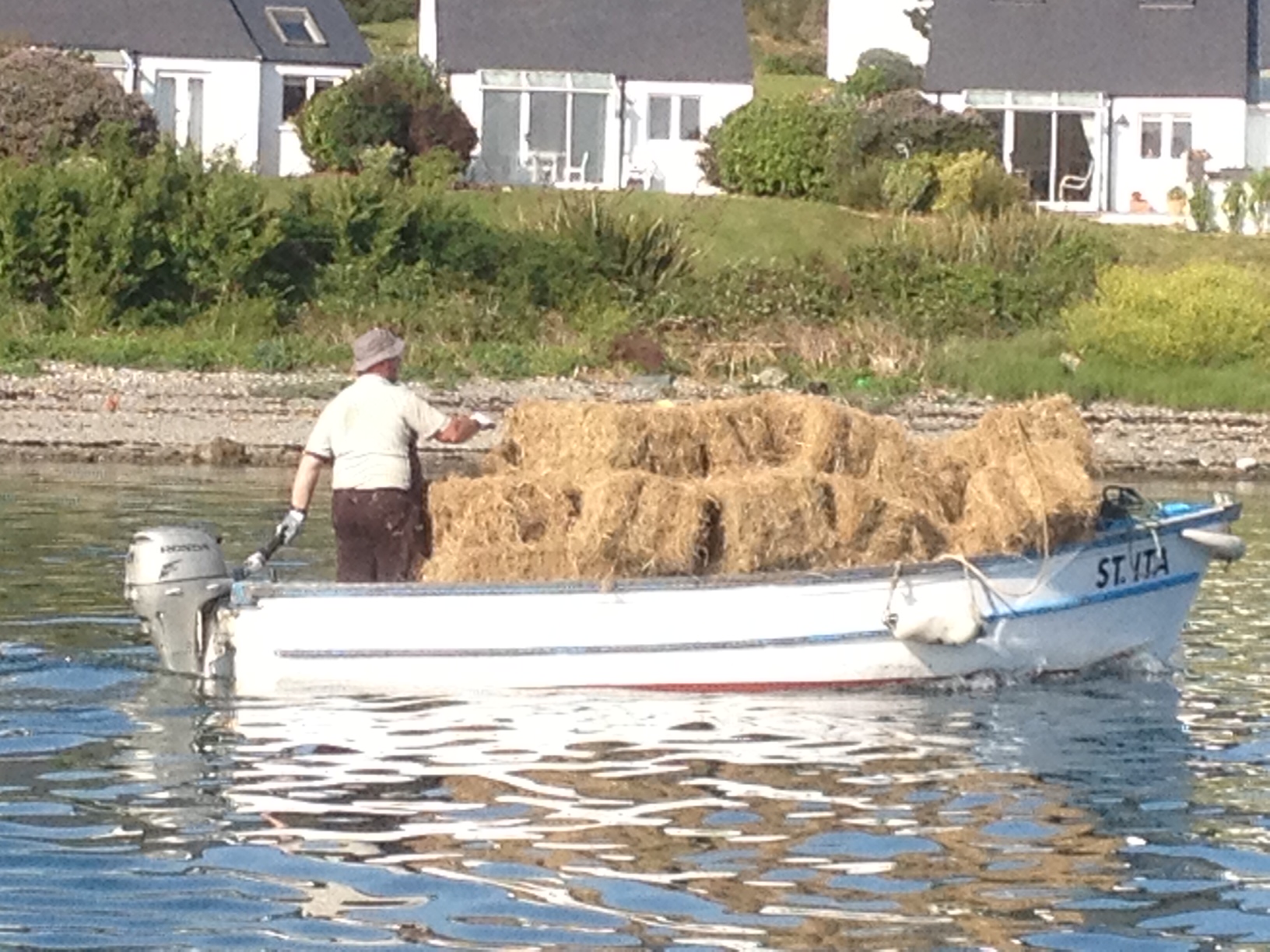
Taking hay to the island by punt

grow your own cabbage - it's delicious!

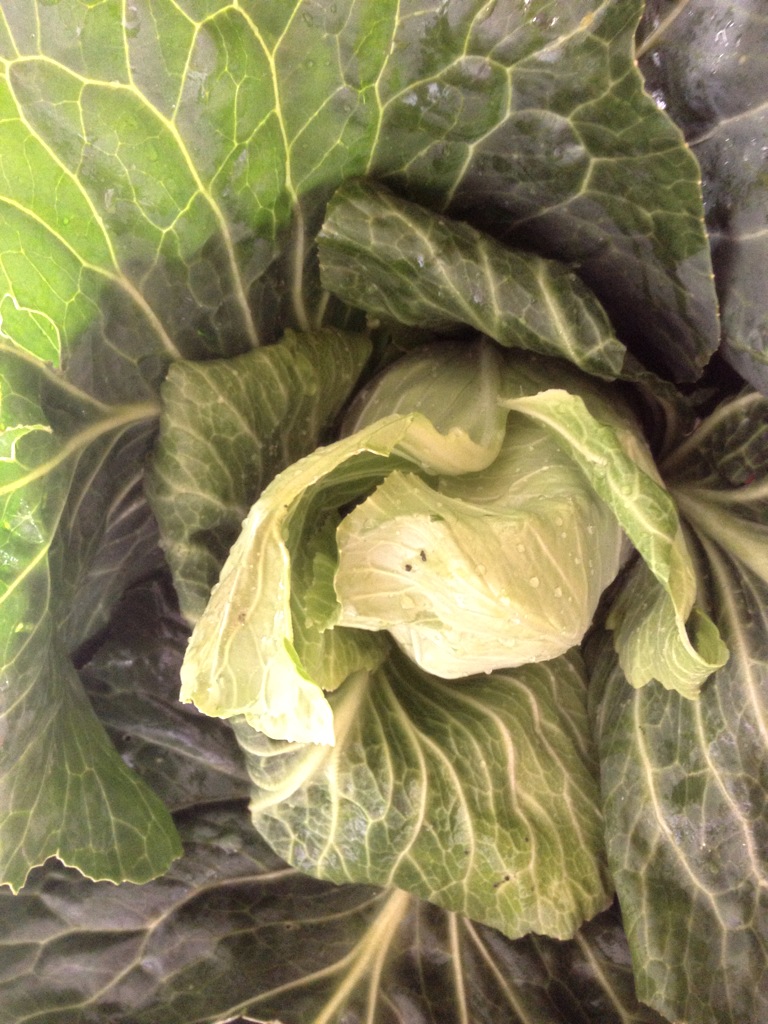
Early cabbage – survived the caterpillars (just)

water safety - wear your life jacket!

Always time for fishing if the conditions are right (life jacket not optional)

Shrimp pots, west cork

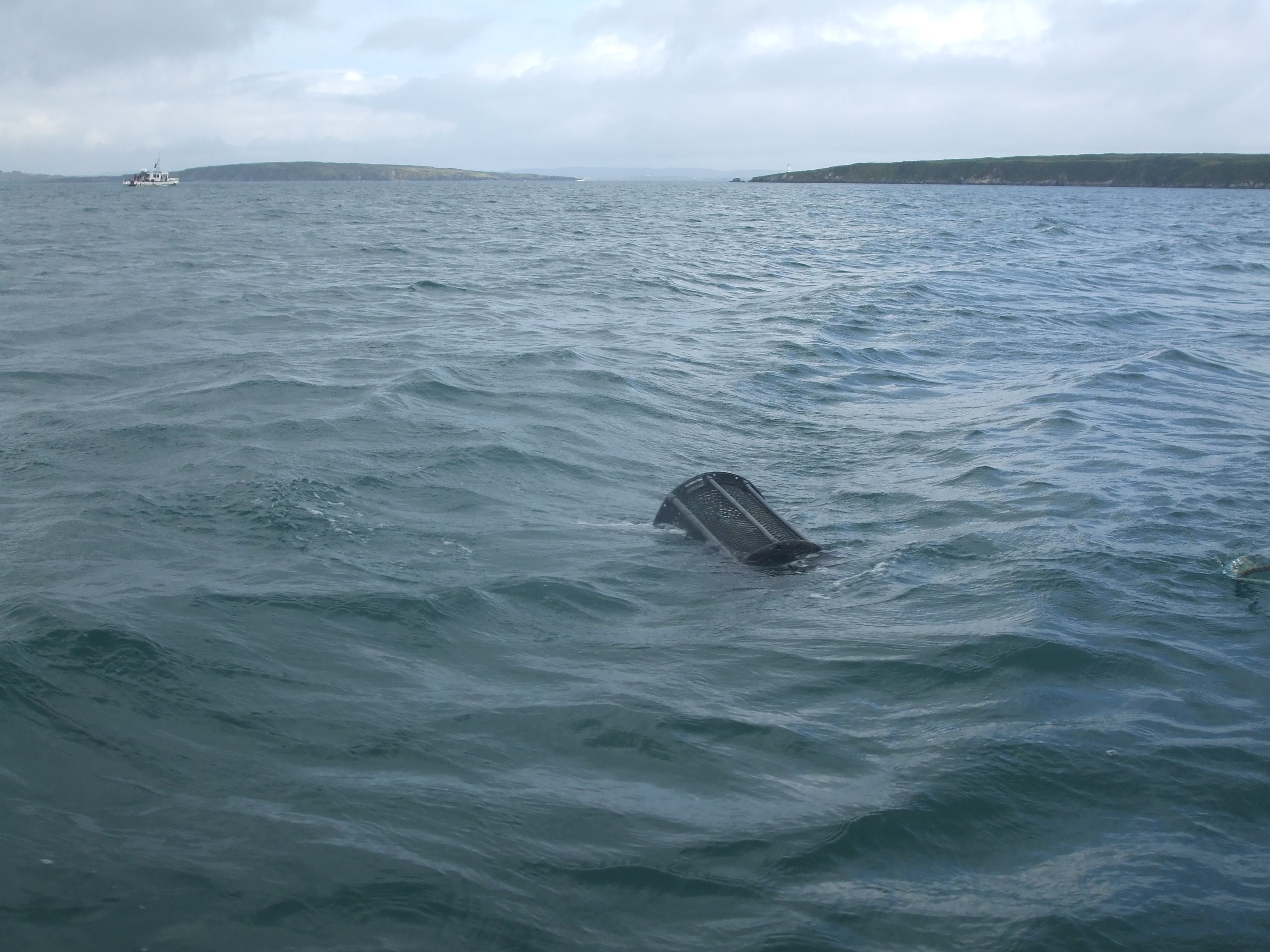
Make sure your shrimp pots are weighted enough!

Fishing boat, photo taken from the sea

Nice to see the big fishing boats in

Franklyn at sea

And everyone loves a seadog!

red and black moths, west cork

Look out for these gorgeous creatures – a bit extra summer colour

Support Independent Booksellers Week

Whyte Books, the bookshop in West Cork

My local independent bookshop – even lovelier on the inside!

In case you weren’t aware, we’re in the middle of Independent Booksellers Week – a worthy celebration for writers, readers and booksellers alike.

Contrary to belief, independent booksellers are not a dying breed (read this post from Bob at The Gutterbookshop if you don’t believe me). But the fact remains that they could become extinct, if not supported.

The beauty of independent bookshops is that they are not monopolised by trends or marketing departments or limited to the bestsellers list. The buyers (who usually turn out to also be the owner, barista, baker, counter assistant & accountant) are free to stock the books that reflect the varied tastes of their customers.

That means knowing their customers well and catering to their needs. In other words, delivering a very personal service. Like the Independent Booksellers Week motto says: real people, real books, real conversation.

For me, the most wonderful thing about independent bookshops is that the bookshop is also someone’s dream. Independent bookshop owners adore what they do because it is their passion, their calling.

Miss Peregrine's Home for Peculiar Children

An incredible book – one of those I wish I’d written! highly recommend.

As writers, this is something we can easily relate to. And don’t forget, we also need homes for our books – especially much-loved bookshelves created from someone else’s dreams.

So when was the last time you bought a book from your local independent bookstore?

Yes, ordering a basket full of books from Amazon and get them delivered to your door is convenient – but where’s the personal touch? The lively debate about which titles to select? The surprise of an unexpected recommendation?

And of course, a big chain bookstore has much to offer. I’m not suggesting a boycott, I’m just reminding you that independent bookstores also have plenty to offer and need your support too.

My most recent purchases were John Saturnall’s Feast by Lawrence Norfolk, Miss Peregrine’s School for Peculiar Children by Ransom Riggs, and TransAtlantic by Colum McGann.

What will you buy from your independent bookseller today?