Mobbed: A Short Story

Mobbed

His dad had always said that a home wasn’t a home without a few ducks. Now, Declan wished he’d never opened his mouth about that. Amazing how foolish a few whiskies at a wake could make you.Victor Sullivan hadn’t been an hour in the ground before his doting son had shared the anecdote with friends and well wishers. Within a week, there was an army of ducks in Declan’s care and yet another red face to contend with.

Saxony ducks

“Erm, here you go, lad,” murmurs Old Pat as he hands over a Khaki Campbell. A good layer. Over 300 a year. Better than the Saxony that Mrs O’Regan presented earlier; friendlier too, according to the booklet he’d been forced to buy. “As if the funeral costs weren’t enough,” his wife had grumbled.

“Thanks, Pat,” Declan calls from behind the wriggling neck, before carrying the duck to the back garden and introducing it to the mob.

Wings flapping, the duck runs clumsily over young lettuce shoots and hides in the prized herb bed. Declan hopes it’s feeding on a juicy slug, rather than his basil. Marcy would like that as much as she liked his old man.As the gate swings open, Declan crouches on his heels, sinking into the grass.

“Not another bloody useless duck,” tuts Marcy, eyes lifted to the heavens. “I swear, Declan, I won’t be back out here until they’re all gone.”

Following his wife’s gaze, Declan smiles. Maybe the old man was right.

(This story was shortlisted for the Anam Cara flash fiction competition on Writing.ie. The criteria: a 250 word flash fiction piece on the theme of “Garden of Eden’. Congratulations to the winner, Runjhum Biswas)

Back to Basics (Part II)

Still growing…you can’t rush nature!

This is the second looking at what my local environment has shown me as a writer. (You can read Part I here).

Rushing fails – This year, I had some flourishing courgette plants ready for the garden. At the beginning of this month, I planted them out, pleased with their progress. Within two weeks, they were all dead. I’d ignored the possibility that the shift in conditions may be wrong – and I paid the price. Likewise, there’s no point trying to suddenly bang out a 2000 word short story a week before a competition closes. I know, I’ve done it. The work was inferior and had no chance of getting selected. I might as well have donated the entry fee as a gift.

If you’re not so good at being rigidly organised, keeping a stock of half-finished stories is a good habit to adopt; you can pull out them for final shaping as competitions approach. But if you’re not happy with your work, don’t submit. It’s fine to decide not to enter a competition or submission because your writing isn’t quite ready. I’ve done that twice this year already. It’s better to get a piece of work right and rehouse it elsewhere at a later date than submit something that’s not good enough.

Flexibility rewards – Sorry to keep banging on about my courgette plants but once again, they’re relevant. I’ve been propagating more seeds in the tunnel and shoots are starting to show. Despite my earlier haste, I’ve given myself enough time to grow more. We won’t have as plentiful a supply as we would have had if I’d not rushed, ignoring the conditions and external factors, but at least I’ve come up with a solution that means we’ll have some produce for the table.

The infamous courgette (Round 2)

When writing, you need to stay flexible. After all, every time you share something you’ve written you’re open to criticism, rejection and opinion. Some of the feedback will be constructive, some useful and some not. But be ready to sift through the advice and take the relevant stuff on board, adapting your work accordingly. You also need to be flexible in terms of how you grow as a writer. If the narrative isn’t working in first person, try swapping to third person. If a character is proving tricky, figure out where the gaps are and amend accordingly. If you’re always writing prose, try poetry instead to hone different skills. Even if it’s not to a publishable standard, you’ll gain from the experience.

Learn from your mistakes – If you’re submitting a novel to publishers, for instance, and several editors suggest that the pace is too slow/your novel is too plot driven/a specific character is unbelievable – then guess what? They’re probably right. Several people noticing the same issue probably means that it needs work.

If you’re writing short stories or poetry and have spent months working on a piece but still had to rush at the end, make a note to give yourself more time in the future. If you’ve a story idea that just isn’t working, store it in your reserve file and work on something else. It may be that the timing’s not right or that the idea isn’t as good as you initially thought. You’ll know the answer when you revisit it at a later date. (And yes, you guessed it: my courgettes won’t be going out until June next year.)

What can your environment teach you?

(Huge thanks to @derekF03 for inspiring these posts. You can read Derek’s blog here.)

Back to Basics (Part I)

Get it right & you might be surprised!

Moving from a city to a rural Irish village has been at once rewarding, demanding, surprising, tiring, energising and lots of fun. Inspired by a collection of blog posts by @derekF03 on what songs can teach writers (see end of blog post), I thought I’d take a look at what my new environment has been showing me over the last year and a half. 

What has country living shown me that might be of use to others? (This is written in the context of writers, but would be relevant to any vocation.)

Conditions need to be right – Countryside living has demonstrated that if conditions aren’t right, nothing will grow – that’s true for lambs, cattle, vegetables and it’s also true for your work. It’s like Maslow’s Hierarchy of Needs; if you’re exhausted, hungry, cold, if you don’t have the right equipment or right working space, it will affect your writing. I’m not talking about creating perfection – otherwise you’d never get any writing done! – but about making sure that your environment/writing conditions suit you is the best move you can make. I’ve been experimenting with my timetable since moving here and still haven’t found the perfect balance; but I have figured that I’m better off getting up at 6am to do a few hours of writing before tackling anything else than I am trying to leave it until the end of the day.

Sometimes nature needs a helping hand too.

Timing is crucial – We’re planting vegetables on a much larger scale this year and we’ve carefully worked out how to stagger the produce so that we’ll have a plentiful supply for as long as possible. A similar approach is needed for writing. As writers, we need to be setting ourselves clear deadlines to make sure that we are working at an optimum level; especially if we’re working on multiple projects. This doesn’t mean fitting as much in as possible (though I’m sure that’s something we all do) but we need to manage our time effectively so that we can give our work the dedication, focus and time required.

External factors arise – With my courgettes, it was unexpected gales; but with writing, it may be that a character suddenly doesn’t work and you have to rewrite them from the beginning. Maybe a story you were going to enter into a competition needs to be longer than the specified wordcount? In that instance, you need to decide whether to shorten it, switch to another piece or not submit. External factors could be ill health, exciting news, a sudden move; but guaranteed, something will always arise unexpectedly. But it’s your approach to these factors that will affect your work. Tackle them head on and adjust accordingly – and if it means delays, or a change of direction, don’t worry.

What can your environment teach you?

(Huge thanks to @derekF03 for inspiring these posts. You can read Derek’s blog here.)

April in 10 photos

Sorry it’s a bit late folks, but with all the fun over at the Writers Week Blog, it’s taken me a while to sort through this month’s photos. April was a very busy month and it was difficult to select what to show, but here goes…

Building weather-protection for our mini-garden (real veg garden is a whole field)

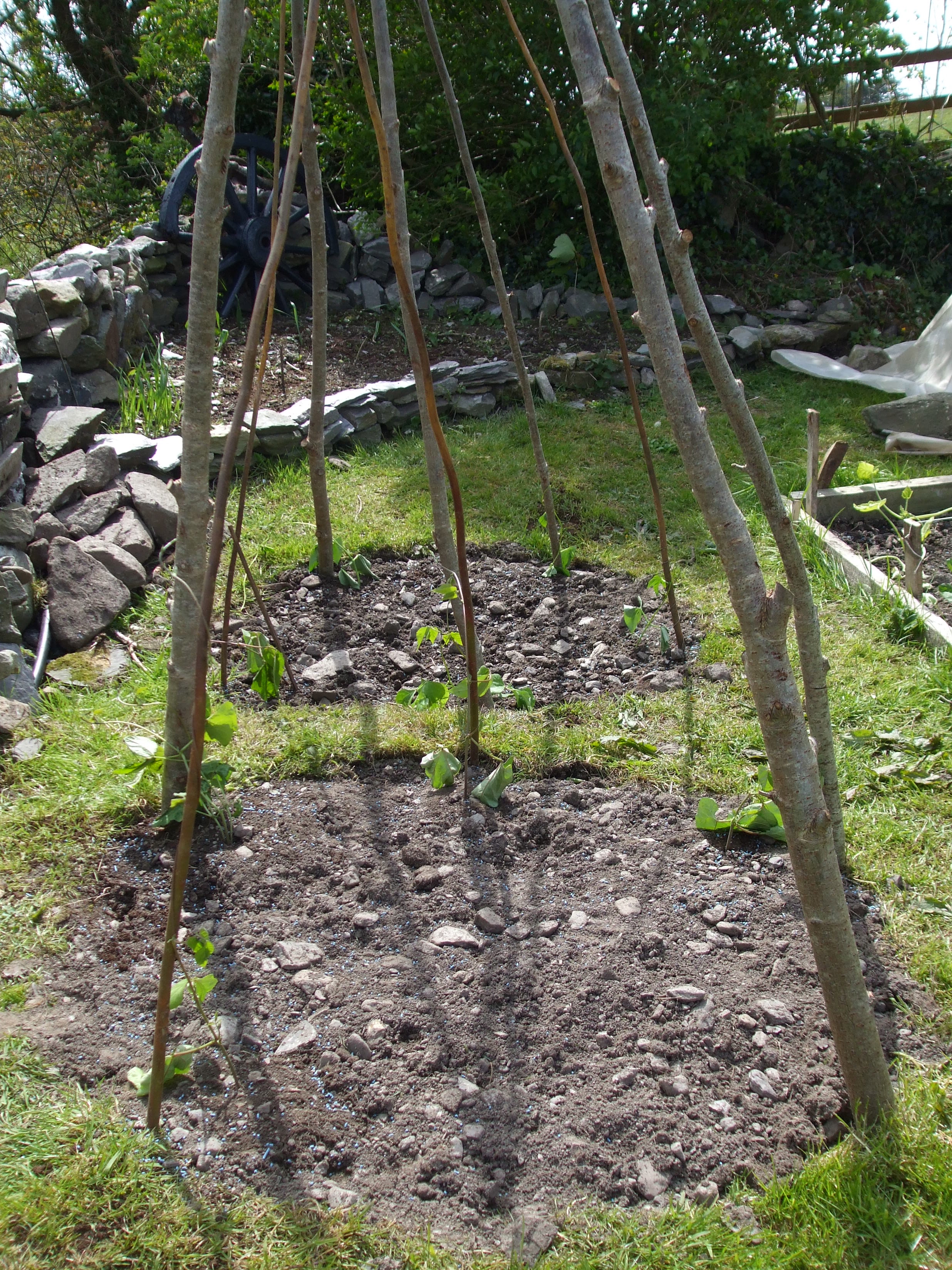
We planted out runner beans & French beans (could be way too early; esp. with the freak winds – we’ve more propogating just in case).

Collected seaweed to fertilise our cabbages (plastic strips deter the birds)

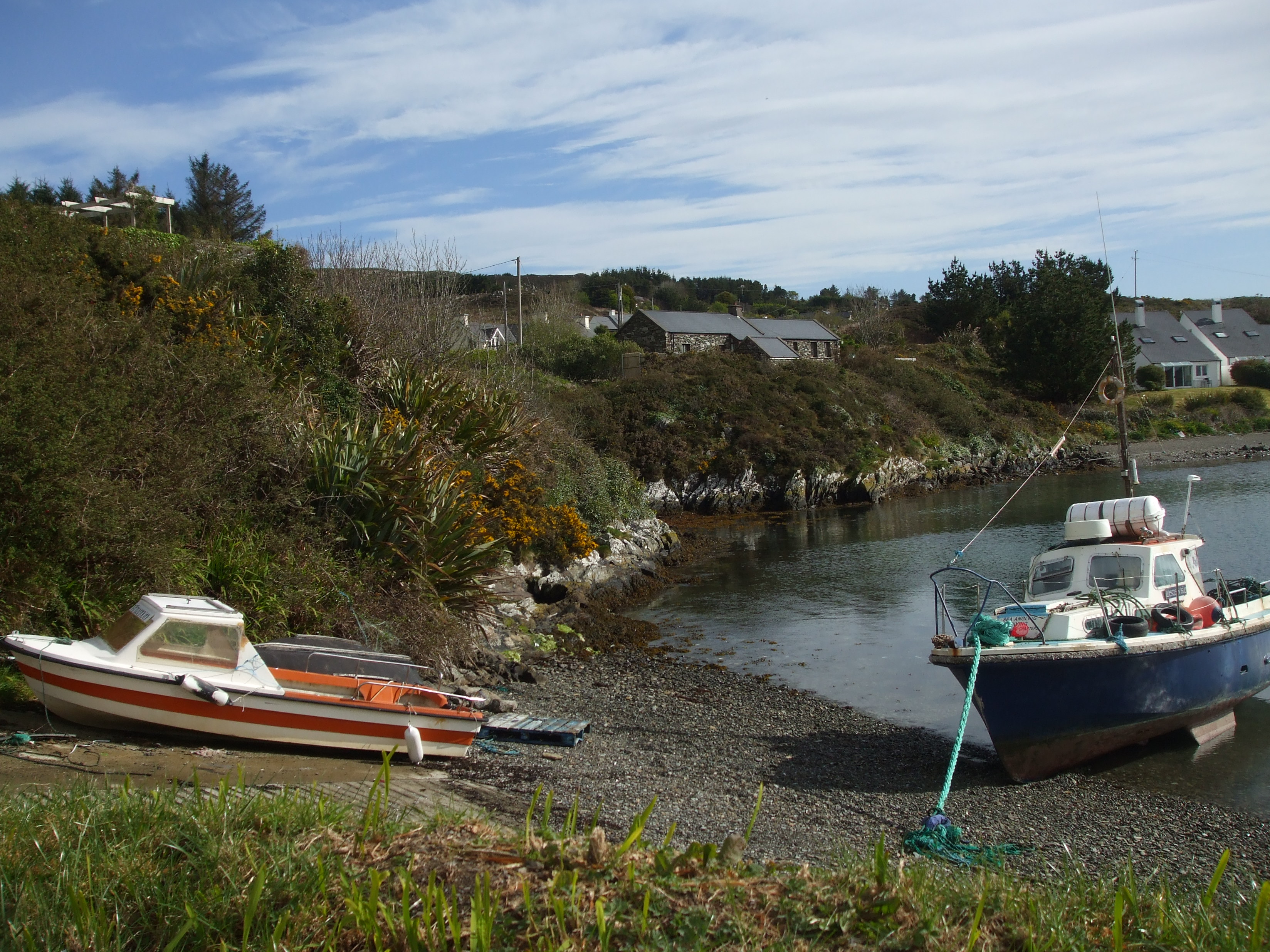
This is where we collect the seaweed: some interested walkers came down to chat about what we were up to!

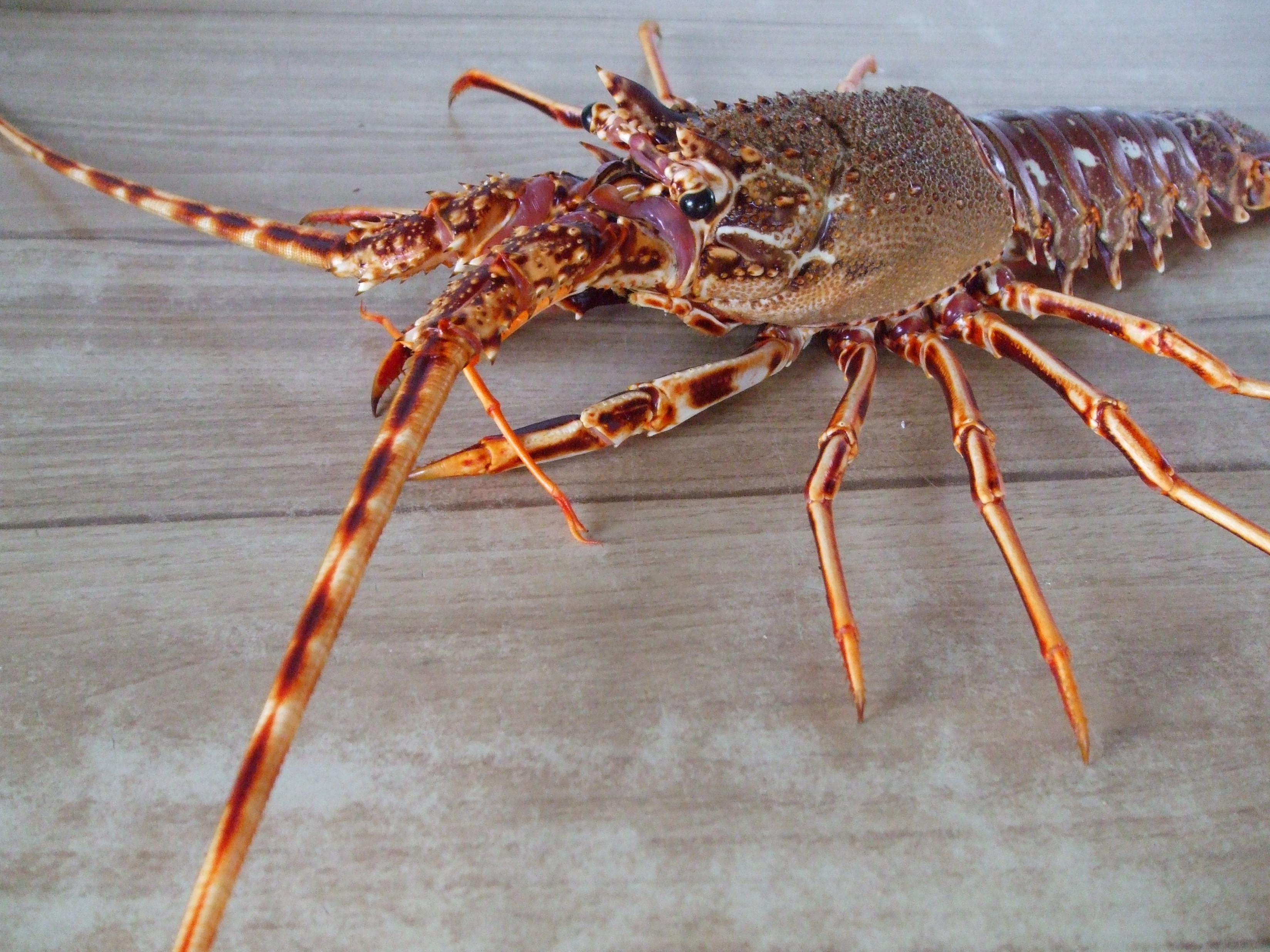
A fisherman friend brought us our first crayfish of the season

Created a river view: you couldn’t see the water before. It was all briars and dead fuschia. Now look at it!

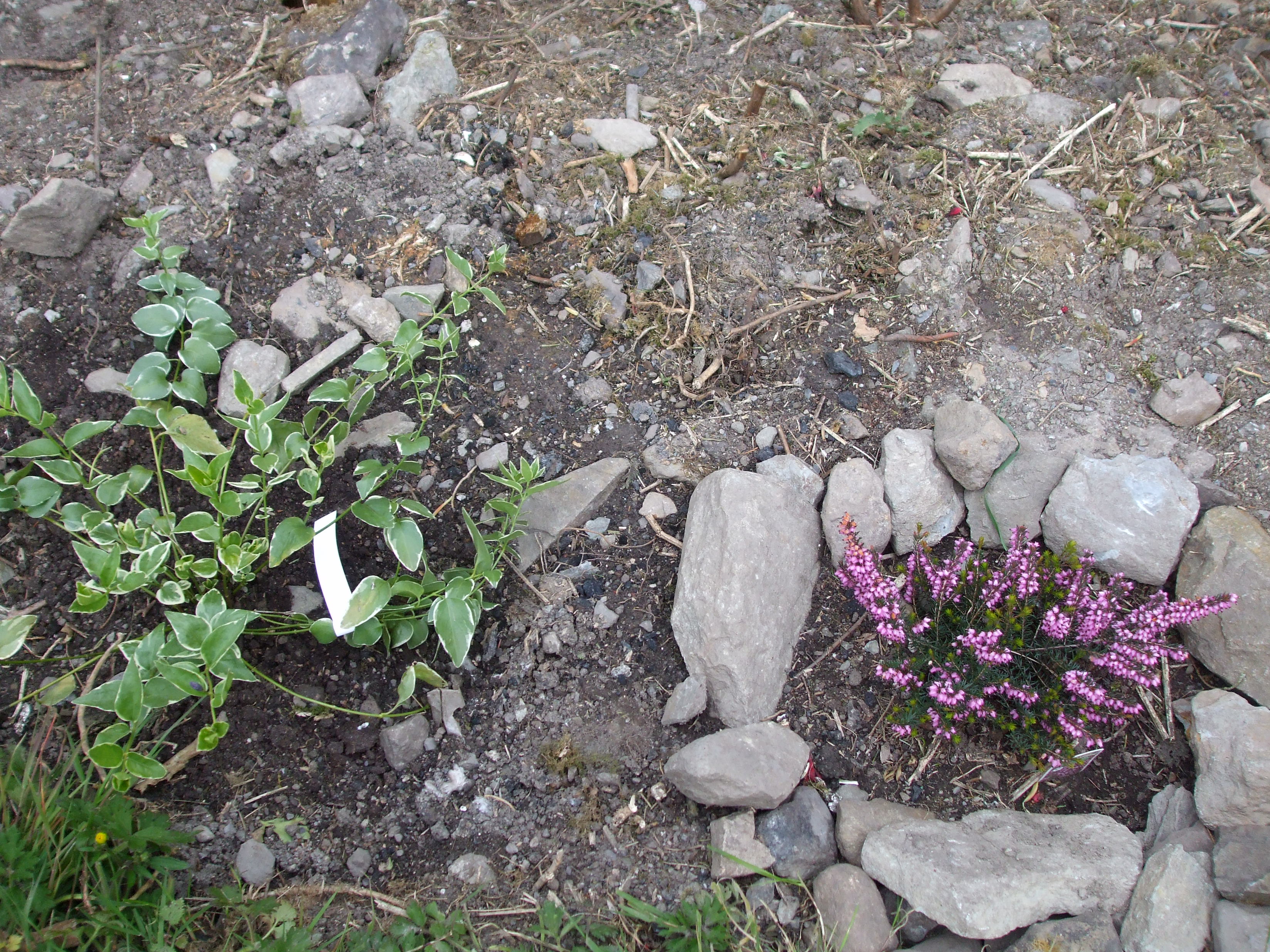
And here’s some of the stuff we’ve planted on the newly-cleared banks (there’s monbretia and wild strawberries too). It’ll look gorgeous in summer.

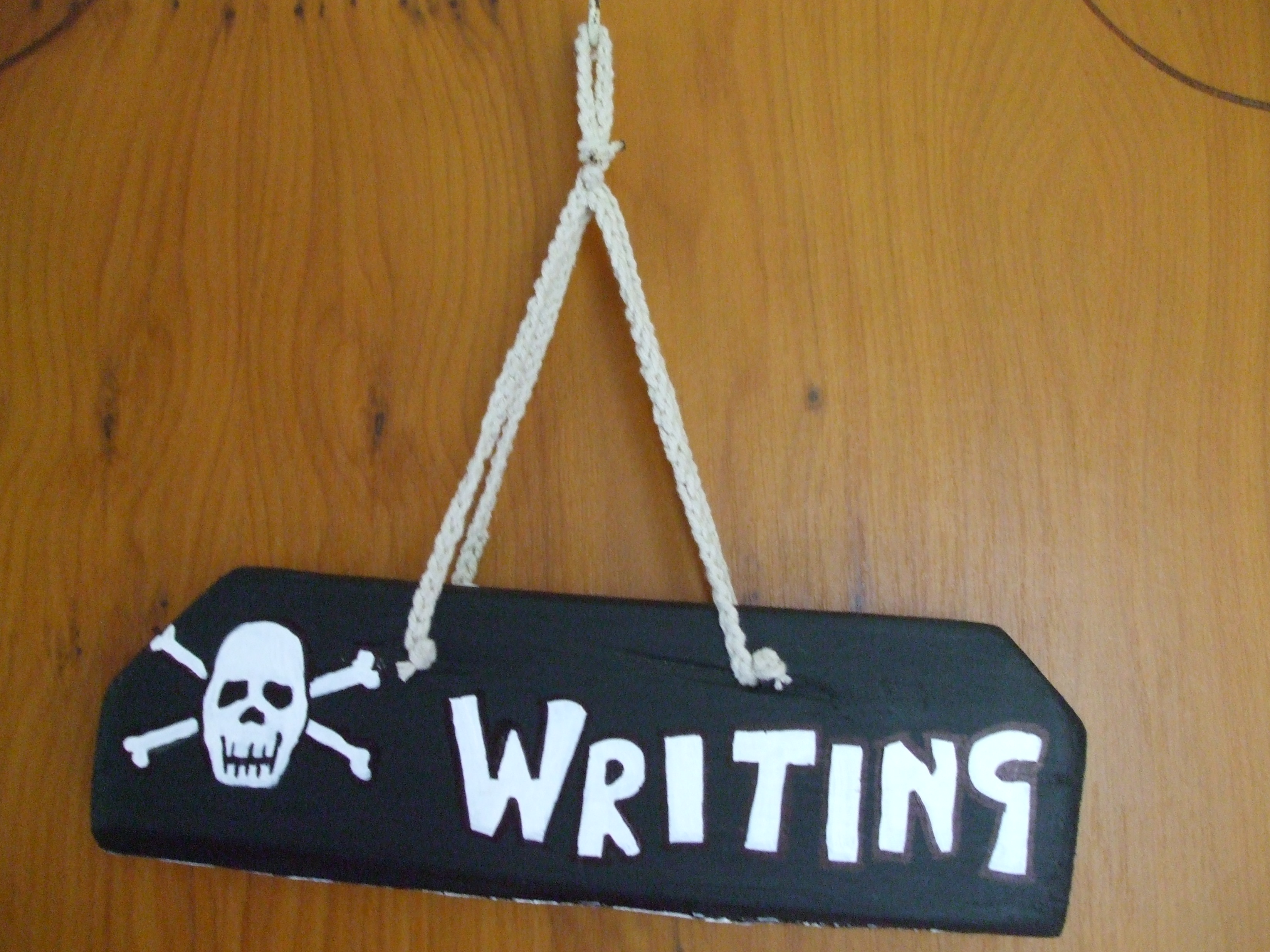
I made a sign to help people get the message…

We built boxes for our tomatoes and transplanted them – this is where they’ll stay now until they’ve yielded all their fruit.

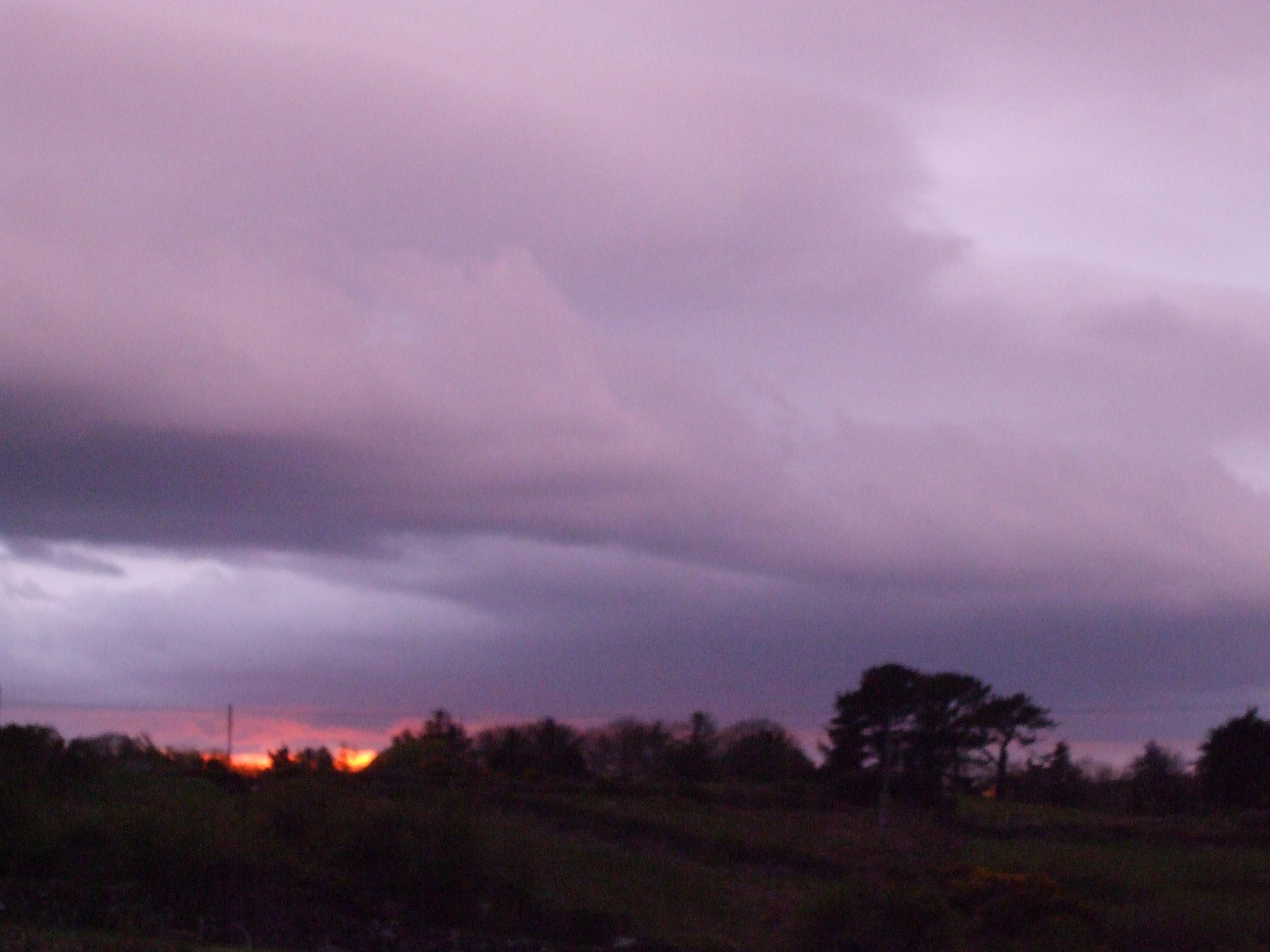
And I leave you with one of our beautiful, moody sunsets.

Triple Whammy

I'll be hopping about like one of our farmyard frogs

Over the next month or so, I have a second major blog focus. As well as Green Fingered Writer, I will be blogging for Ireland’s longest-running literary festival, Writers Week, over on their official website.

Once again, I’m lucky enough to be heading to Listowel, County Cork, at the beginning of June for a week of literary goodness. With writers such as Patrick deWitt, Simon Armitage, Sarah Webb, Belinda McKeon, Germaine Greer and Oisin McGann, you can expect an amazing festival, packed with discussions, interviews, workshops and big literary prizes, as well as an amazing children’s event staged in Fossett’s Big Top.

Before the festival, I’ll be chatting about all-things Writers Week and Listowel; I’ve some excellent interviews lined up (including Patrick deWitt, Carlo Gebler, Sinead Gleeson and Paul Durcan) and there’ll also be plenty of guest posts from the attending writers.

Already live on the Writers Week blog is an overview of what to expect, an excellent piece by Roisin Meaney on what it means to be a writer and a post by Sarah Webb on why she loves writing festivals. There’s also all of last year’s archived content too, in case you missed the festival or you’d like a taster of what’s to come. I’ll post short reminders/updates on here about the Writers Week blog until the festival finishes, but will keep these to a minimum to prevent your inboxes from being spammed.

And while I’m at it, don’t forget; I also have the From the Front Row blog over on writing.ie which is updated with reportage from events throughout Ireland. As I now live rurally, my own contribution has been less frequent, but there are a host of excellent bloggers keeping it ticking over with details of what’s been going on in the literary world – so do stop by if you get chance.

Thanks for your continued support, everyone.