Recharge!

I just spent a week away in Bergamo, Italy, and I have to say, it was wonderful. Daily doses of sunshine (always desirable if you live in Ireland), great food and gorgeous scenery (think clear blue lakes surrounded by snow capped peaks and winding cobbled streets surrounded by ancient walls), as well as plenty of time to spend with my husband without worrying or thinking about anything other than just being.

Beautiful city of bergamo, Italy

View of the old town, Bergamo

Why am I telling you this? Not to make you green with envy, but to encourage you to take some time out.

Whether you’re a writer, a jeweller, a gardener or a teacher… Whatever your career/vocation, this is a call to arms.

Take some time to relax and recuperate. Right away, if possible.

Running the risk of sounding like a reformed smoker, hell bent on conforming everyone around me,  I think it’s so important to let the batteries recharge. And that means properly…

Try closing the laptop, shutting down Twitter (as well as Facebook, Pinterest and LinkedIn), and engage in the world immediately around you. Just be for a while. Be spontaneous. Even just for half an hour. See if it makes any difference to your energy, enthusiasm or mindset. It may not, but it’s worth a try.

In my experience, this relaxing malarkey isn’t something people are particularly skilled at these days. We seemed programmed to multi task and achieve, hell bent on keeping going against all odds and never giving up.

Dedication and determination are fantastic qualities – to a degree. Yet like anything, too much can be a bad thing.

As writers, we need to have a clear mind to create. Yes, the jumbled thoughts do contribute to creating characters, plot, dialogue etc – but only if we’re not worrying about other external factors such as money, chores, emails, the number of Twitter followers and the latest funny YouTube videos of ninja bunnies.

One way to achieve this is to shut down, away from it all, and just engage.

Holidays aren’t always a possibility, but you can take a walk, play with the dog, plant a few rose bushes, sketch your surroundings or try something new – take some time for yourself to let your brain recharge.

How do you relax and recharge? Any tips for others?

Writerly RoundUp – articles, tidbits & the bizarre

I’m busy editing the final draft of my novel and preparing for some time away – unplugged! – so I thought I’d bring you a round up of some interesting articles/tidbits that I found over the last week or so, to keep you busy in my absence.

I’m off to Bergamo, Italy, so I won’t be posting again until April 22nd. I hope you find something of interest here in the meantime…

  • For new bloggers, here’s some great advice on SEO from the Writing.ie crowd, covering how to start writing posts, using keywords effectively, an introduction to webmaster tools and more: Improving your Search Ranking: Tips for Bloggers.
  • I love the website Documentary Heaven and found this great film about a guy who really can – and does – make every day original through his creations. Just see how proud his wife looks in their specialist beach buggy! An Original Maker: Paul Elkin.
  • Now, I have no idea what this is all about but it certainly made me stop and chuckle, if nothing else! It’s called Old People Wearing Vegetation and it’s photos of old people wearing vegetation (yes, really)!
  • And finally, I couldn’t resist the guys at Funny Talking Animals. Who’s for a game of Night Time/ Day Time? 🙂

See you when I’m back!

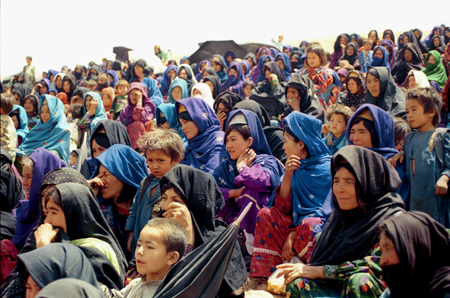
Time to write a chain poem for the Hazara people?

Please note: this image is taken from & is copyrighted by the presentation, link below.

Please note: this image is taken from & is copyrighted by the presentation, link below.

This week, here’s a little something I was forwarded via email. I thought I’d post the contents in case it’s of interest to you. I’m certainly a supporter of trying to make a difference through art.

The following email is regarding the plight of the Hazara people in Afghanistan. It is looking for poets on an international scale to help raise awareness by donating poems to an anthology and contributing to a chain poem.

I’ve copied the content completely, except for removing the sender’s personal details. Please note, the image is taken from the presentation, link below.

****

Dear Friends and Colleagues,

So far, the following poets have a) contributed to write chain poem and b)submitted poems for a Poetry Anthology dedicated to the Hazara:

Chain poem:

https://docs.google.com/document/d/1nlzo5IdAvXNHRaihMzLPM1Mnl72ETmaJc1X9836hX6A/edit?usp=sharing

  • Jessie Kleemann, Greenland
  • Siki Dlanga, South Africa
  • Irena Matijasevic, Croatia
  • Julio Pavanetti, Uruguay/España
  • Kamran Mir Hazar, Norway

Please visit the following link to contribute in writing chain poem:

https://docs.google.com/document/d/1RnF8NFy60R7UHJE3V6WBWER-kuXBwGypKzAPPuBW2DE/edit?usp=sharing

You can write one or more  additional lines and return  later to write more. Here is a link to a presentation about the Hazara geographical condition,  the Hazara face and  the persecutions they endure.

http://www.hazararights.com/spip.php?article23

I suggest you have a look at this presentation. The idea is to not limit you, but to use Hazara elements in this collaborative poem.  You can start a new part of the poem, if you’d like.

Poetry Anthology dedicated to the Hazara People:

Please note: this image is taken from the presentation, link below

Please note: this image is taken from the presentation, link below

  • Francisco Sánchez Jiménez – Colombia
  • Vyacheslav Kupriyanov, Russia
  • Paul Disnard, Jamundi – Colombia, marzo 29 del 2013
  • Stefaan van den Bremt, Flanders, Belgium
  • Jack Hirschman, USA
  • Nyein Way, Myanmar
  • Ban’ya Natsuishi, Japan
  • Julio Pavanetti, Uruguay/España

Please visit the following link to submit your poem for the Poetry Anthology dedicated to the Hazara People:

https://docs.google.com/document/d/1RnF8NFy60R7UHJE3V6WBWER-kuXBwGypKzAPPuBW2DE/edit?usp=sharing

Here you can submit poem in your native language. It would great if you provide an English translation of the poem.

Again, thanks for supporting the Hazara.

All the best

Kamran Mir Hazar
Poet, journalist and webmaster

Website: www.kamranmirhazar.com
Facebook: www.facebook.com/KamranPoetry

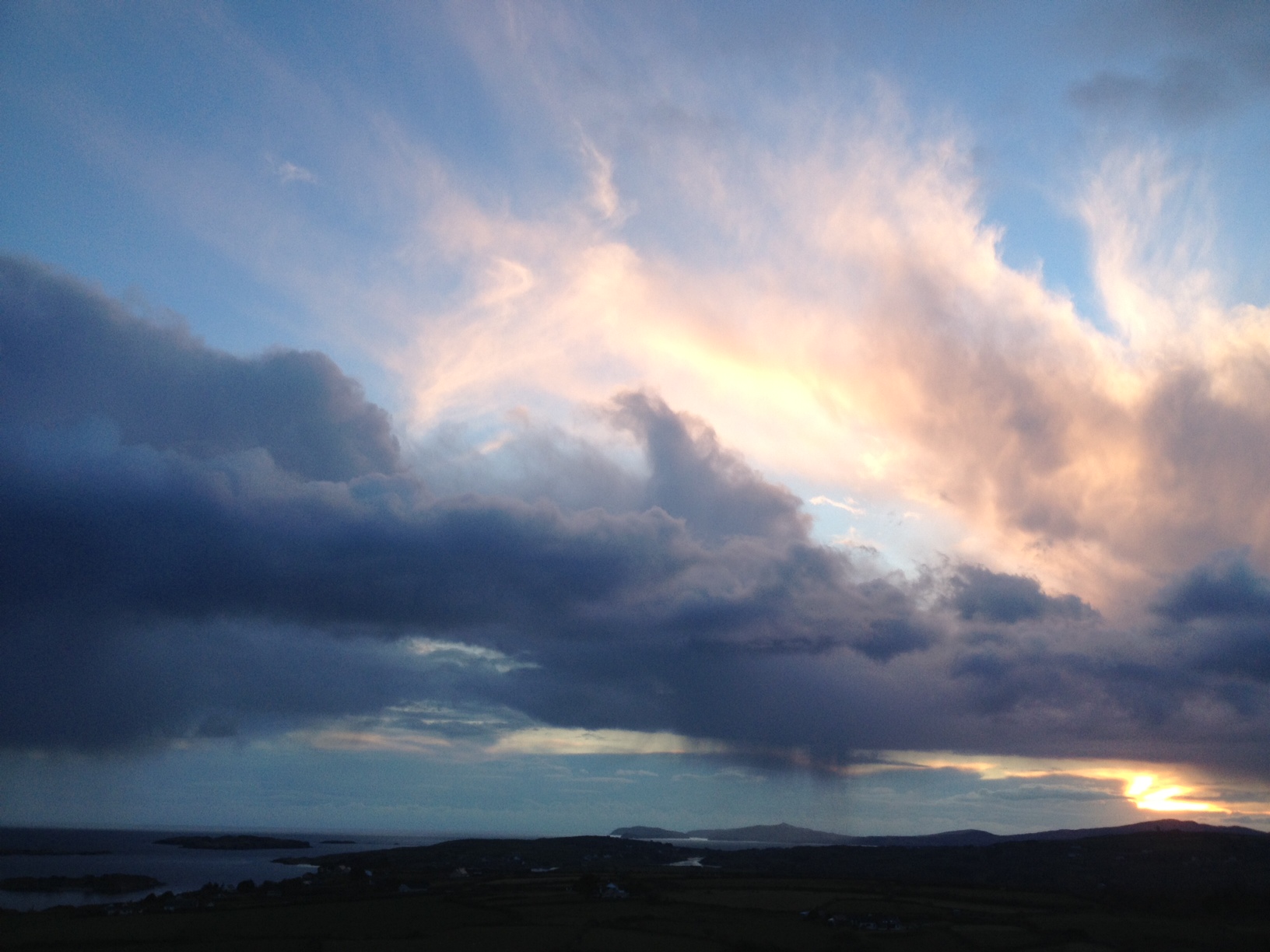
Amazing skies

stunning West Cork landscape

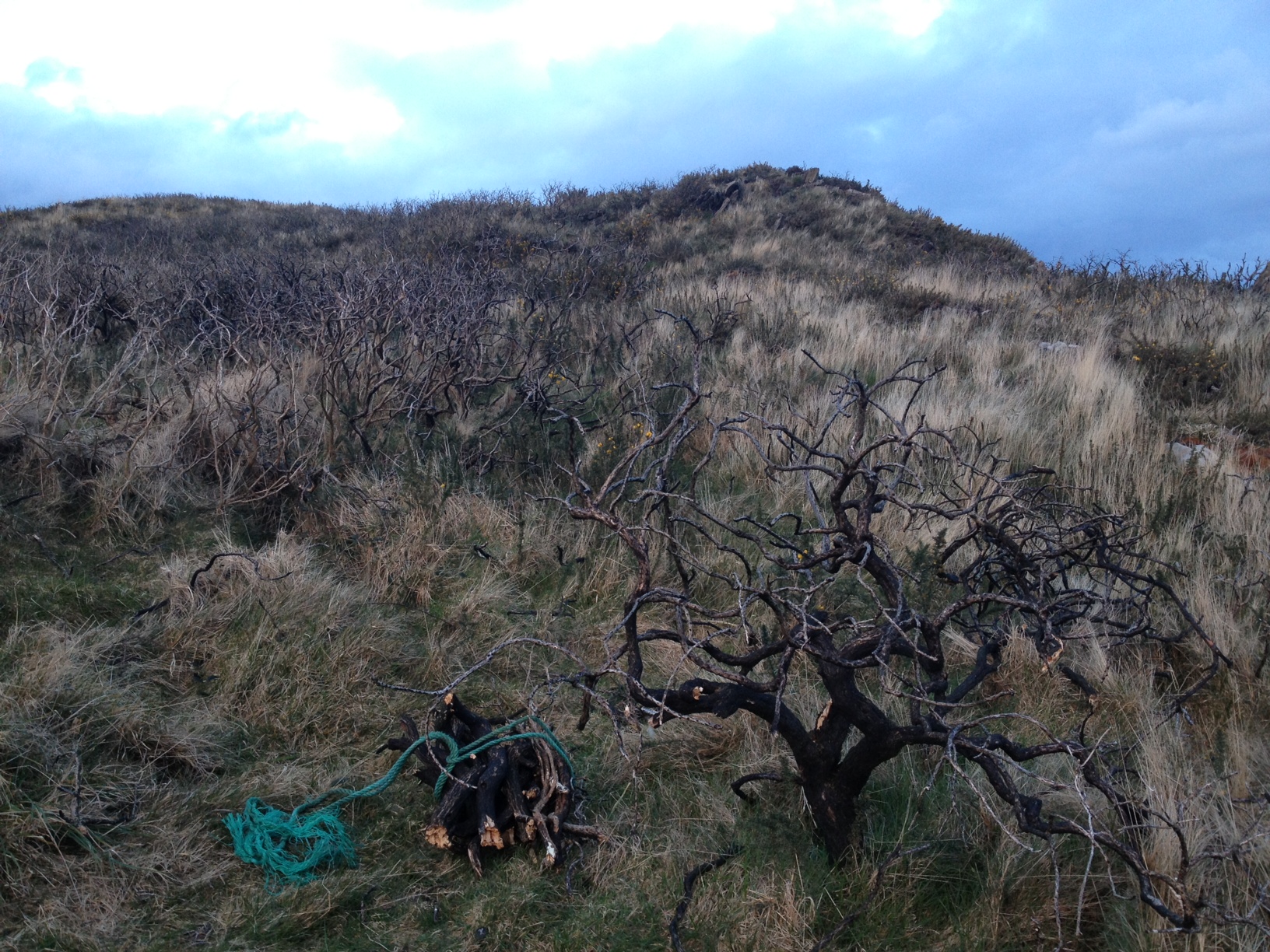
Collecting gorse to spark up the fire

This is a brief post today – and more about living rurally than writing. You’ll see why in a minute. It might even take your mind off this freak cold weather for a moment.

Living rurally, we’re lucky to have the opportunity to make our lives as self sufficient as possible. The other day, myself and my husband were out collecting gorse for kindling. It was a lovely bright and warm day when we set out, but as you probably know, Ireland is prone to some weird weather habits.

Firstly, we were showered with hail, even though there was an incredibly bright sun. We could see dense clouds in the distance, and Cape Clear was getting a battering, but there wasn’t a hint of cloud near us.

Incredible West Cork sunset

Such elegant shapes…

Distracted for a moment, we watched the dark skies sweep across Atlantic, before carrying our bundles home. However, we couldn’t resist returning as night fell…

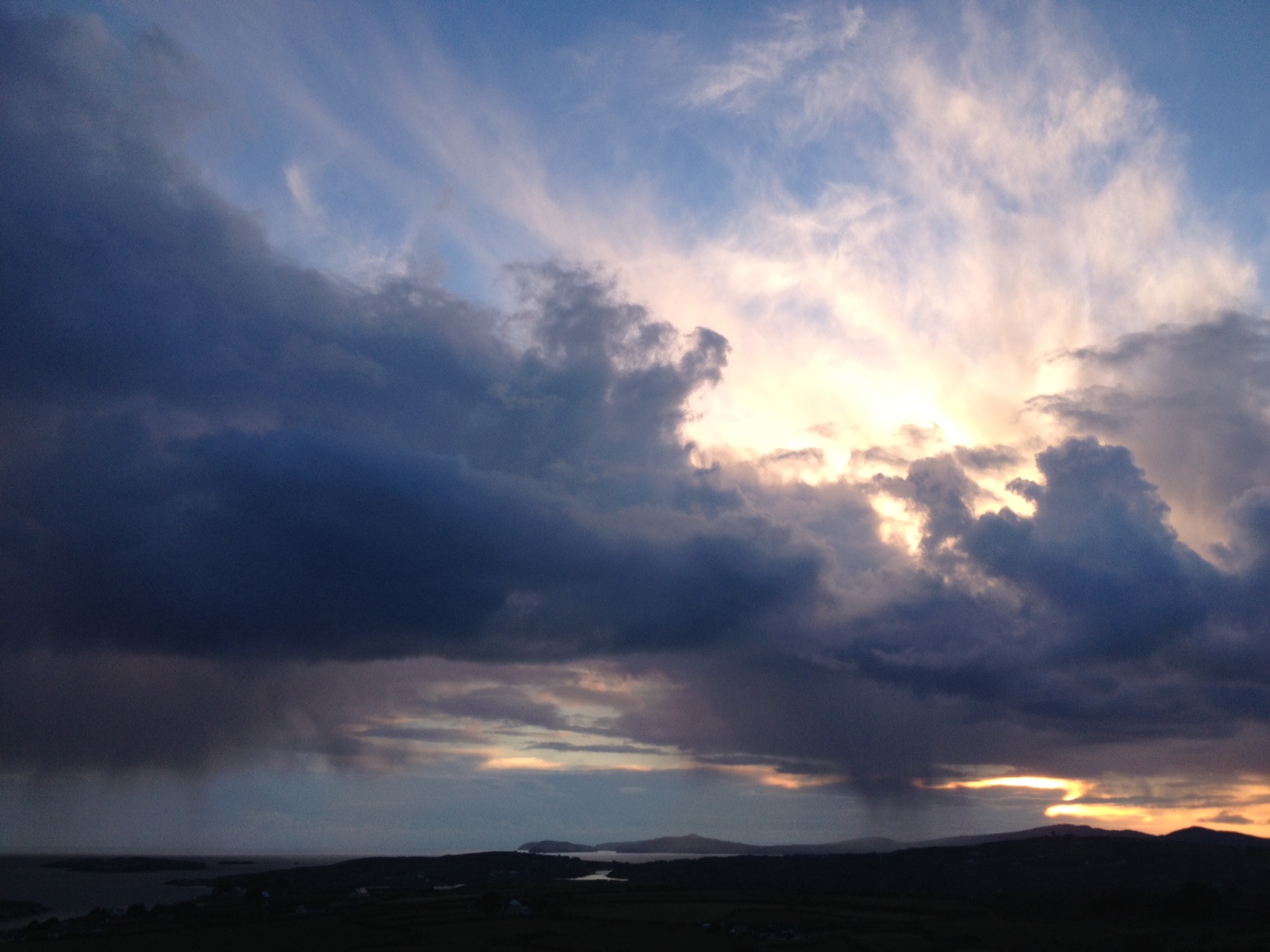
Just look at these amazing cloud formations and colours! The perfect example of how your environment can inspire your work or your motivation to work. I couldn’t resist sharing. There are no filters or camera tricks involved, I promise…

Sunset, West Cork

…and dramatic colour.

West Cork, sunsets

You can see the hail cloud clearly here

gorgeous skies, west cork

Isn’t the orange stunning?

Watching the sky change was an incredible experience – something we do frequently, but probably not frequently enough. After all, thanks to these skies, these views, this fresh air, I manage to write with a clear mind and happy heart. What more could I ask for?

What encourages you to keep writing?

Irish music shout out

Seeing as St Patrick’s Day has just passed, I thought I’d give a shout out to Irish music and musicians.

Living in rural Ireland, I’m embroiled in Irish music on a regular basis, especially since my husband is a singer/songwriter/balladeer (he’s just getting into the online thing. You can see his facebook page here). But even without his influence, West Cork has retained its Irish musical roots to such a degree that I’m constantly treated to some form of storytelling through song.

It seems everyone here can sing; at least, everyone is willing to belt out a favourite tune at the drop of a hat. Believe me, never have I felt my ‘Englishness’ so much as when the microphone/guitar/banjo is passed my way and I quietly, but firmly, decline. (Singing is an art form I haven’t mastered, so I’ll stick to my notebooks. It’s better for everyone all round.)

If you love Irish music, there’s a great site called Irish Music Forever that shares quality Irish tunes past and present, while Derek Flynn updates his Rant, with Occasional Music blog every Monday with a new song recording; a mixture of his own tunes and covers/mash ups. He even takes requests.

And as a St Patrick’s treat, here’s a little something for you to enjoy: my husband singing his song “Wrapped Up” with incredible vocalist Camilla Griehsel (soon to be starring in an operatic production at Cork opera House).

http://vimeo.com/36689952

Creative jealousy

Two bizarre statements I heard this week from aspiring writers:

1) I never read that author because I’m too jealous of his writing.
2) I don’t read contemporary literature because I don’t want it to spoil my own writing

I can hear the resounding intake of breath from here, so let me deal with each of these separately and then I’ll let you say your piece.

I never read that author because I’m too jealous of his writing.

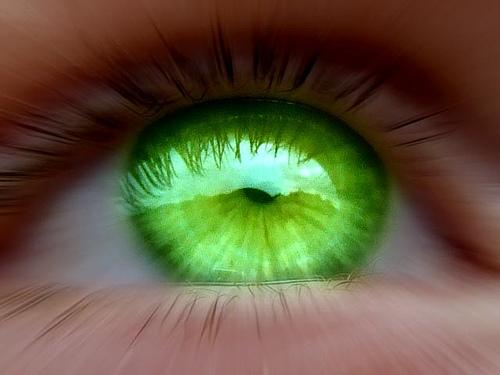
green eyes

Keep the green-eyed monster away

What sense does that make? Surely you read the authors you enjoy so that you can learn from them? Avoiding your favourite writers won’t make your own writing process any easier, and you lose out on some valuable learning. Keep up to date with the writers that you would like to emulate. It’s not copying, it’s infusing good technique, style and quality prose into your own writing. It’s called self improvement. Try it!

I don’t read contemporary literature because I don’t want it to spoil my own writing.

Rather than spoil your writing, reading your contemporaries should inform your work. How can you learn anything about what people like to read, the publishing industry and good technique if you avoid reading current literature? Reading is an important part of any writer’s life and is one of the best forms of education. Why miss out? Also consider this: if you don’t enjoy reading contemporary literature, why are you trying to write it?

In my mind, both of the above statements are the result of creative jealousy – and like any form of jealousy, this leads to destructive and detrimental situations for the person involved. Without knowledge, learning and the motivation to evolve, any aspiring writer will remain exactly that. In short, unpublished.

My advice to any other aspiring writers who want a successful writing career is to make use of the resources around you, including contemporary literature. Don’t succumb to creative jealousy. Read like a writer, soak up the language and technique and see where it leads your own writing journey.

What are you reading at the moment and how does it influence you as a writer?

Book Trailer: Claire King, The Night Rainbow

I thought it would be nice to throw in an extra blog post this week so that I could share one of the most captivating, intriguing and eye-catching book trailers I’ve watched in a very long time. I don’t do this often, but when I come across something surprising, wonderful, different, I can’t help it.

Well done to Claire King and Bloomsbury is all I can say. I have my copy of The Night Rainbow ordered from the local bookshop and can’t wait to read it.

On a side note, if anyone is struggling right now with their writing, Claire wrote a lovely guest post for writing.ie earlier in the week – How do You Keep the Joy in Writing? – which I’d highly recommend.

Do you know of any other amazing book trailers that will captivate and draw us in like this one? Please post below!

You’re not alone

You’ll find that writers are a very supportive bunch on the whole. They understand the pros and cons, highs and lows (admit it, there are lows) that writing involves and they are always willing to help – whether it’s reading through a piece you’re ready to submit, cheering you on when you’ve achieved something you’re proud of, giving tips on writing technique, or giving you a nod at the right times when you’re having doubts.

This can be in person, via email, twitter or Facebook, a text message or a phone call. You might find a revelation in an article, book, blog post, TV documentary or piece of journalism. The source isn’t really important. The point is, you are not alone. Help and support is out there. 

Usually, writers offer their support without question or judgement – just ask and see! – but sometimes, useful advice is given at just the right moment, by mistake. Such an incident inspires this week’s blog post, thanks to Susan Lanigan.

Shrimp pot in the Atlantic

Don’t let fear or doubt pull you in the wrong direction

Last week, Susan posted On Luck and Writing. She opened the post with – “Yesterday, I had a moment of uncertainty about my writing. The usual questioning and fear and stuff. To distract myself I picked up a book that did not belong to me and which I would never normally read…”

This resonated in two ways. Firstly, my mindset at the end of last week matched Susan’s exactly. Secondly, I too needed distraction, and On Luck and Writing proved the perfect tonic.

Usually, I’m all about staying focused but the more I write, the more I value those snippets of free time that you can salvage for research, reading about other writers and winding down. I’m still not great at it, but I’m improving.

Last week, my mindset was simply a product of over work and then stressing about not working enough which in turn generated negative feelings towards my output. Rather than remembering to enjoy the process, without too much inner reflection and criticism, I got caught up in over-analysing results and steaming towards unnecessarily ambitious, self-imposed deadlines.

I know, foolish. But what can I say? I’m only human. I think we can all fall into that trap on occasion. The important thing is that we realise it and rein ourselves in.

Like Susan’s post highlighted, we have a tendency to over-think things and allows ourselves to contemplate failure before we’ve even given things a fair try, flitting from one thing to another trying to find ‘the right answer’ instead of trusting our instincts and continuing on, unshackled.

Personally, I enjoy working on different projects – e.g. poetry, haiku, themed submissions, different word counts for stories – to hone my skills and keep things interesting. But when it comes to my novels, I have to trust my instinct and write what I want to write, what I can write well. It’s usually pretty easy, but sometimes, I need a post like Susan’s to remind me that that’s exactly what I’m doing and it’s the right choice to make.

Many people ask editors and publishers – ‘what are you looking for?’ – as though there is a magic ingredient that will ensure your book/s will be published. The truth is, even though publishers have gaps to fill, there is no such magic ingredient. What they want is a damn good story.

Sometimes your book will be rejected because it’s got a way to go, and it’s an almost damn good story with potential. In this case, listen to the advice you’re given, treasure it and use it to feed into your next draft. Sometimes, your book will be well written but the story isn’t quite damn good enough. Again, listen and act accordingly.

On other occasions, you’ve got a damn good story and it’s really well written, but it doesn’t fit a publisher’s list right now. Or any publisher’s list. That doesn’t mean that it never will, but neither does it mean – ‘quick, write a crime novel because they’re selling well’, or ‘switch to Young Adult, there’s a great market for it’.

Stay calm and carry on writing what you write in the way that you write it. All the while, you will be honing your writing skills, stimulating your imagination and writing more books. If you really want to be a writer, write. No matter what your inner critic says. You cannot let the inner critic hold you back or send you in the wrong direction.

In the words of Susan, “Hunt for what you want. Don’t be a prey animal. Be a predator.”

Great advice.

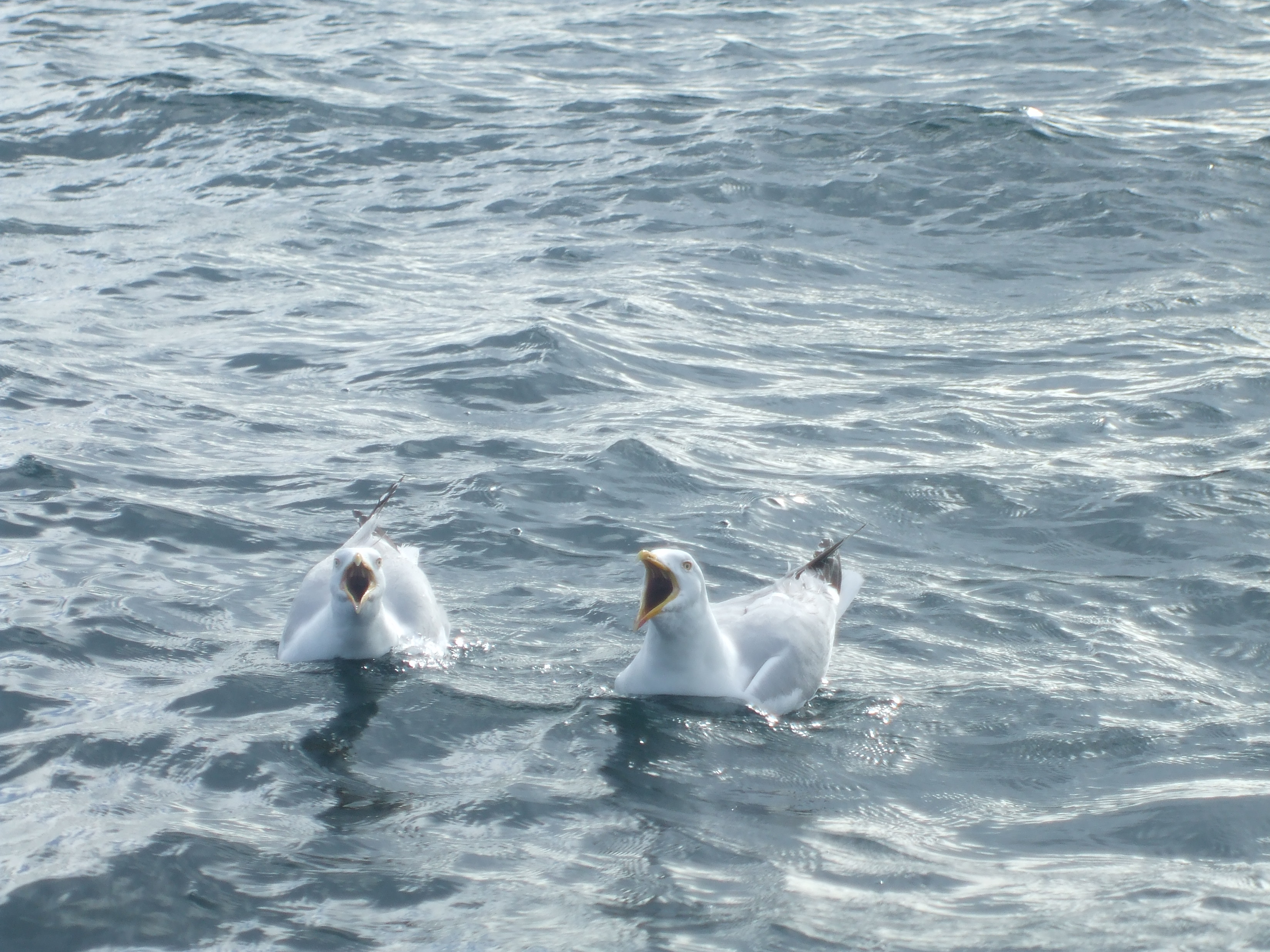
Squawking seagulls on the Atlantic

Silence the inner critic!

As you go into a new week, put any silent doubts, fears, anxieties or uncertainty about your writing behind you. You are a writer. So write. It’s that simple. Who cares if you have to wait longer for that elusive publishing deal or literary journal to accept your work? Stay on track, be dedicated to your craft and it will come.

I’d like to end with a huge thanks to Susan for being there at the right time, giving much-needed advice, without even realising.

Who has inspired/helped you over the last week? Share it with us – you never know who might need to be listening.

Make the most of your writing time

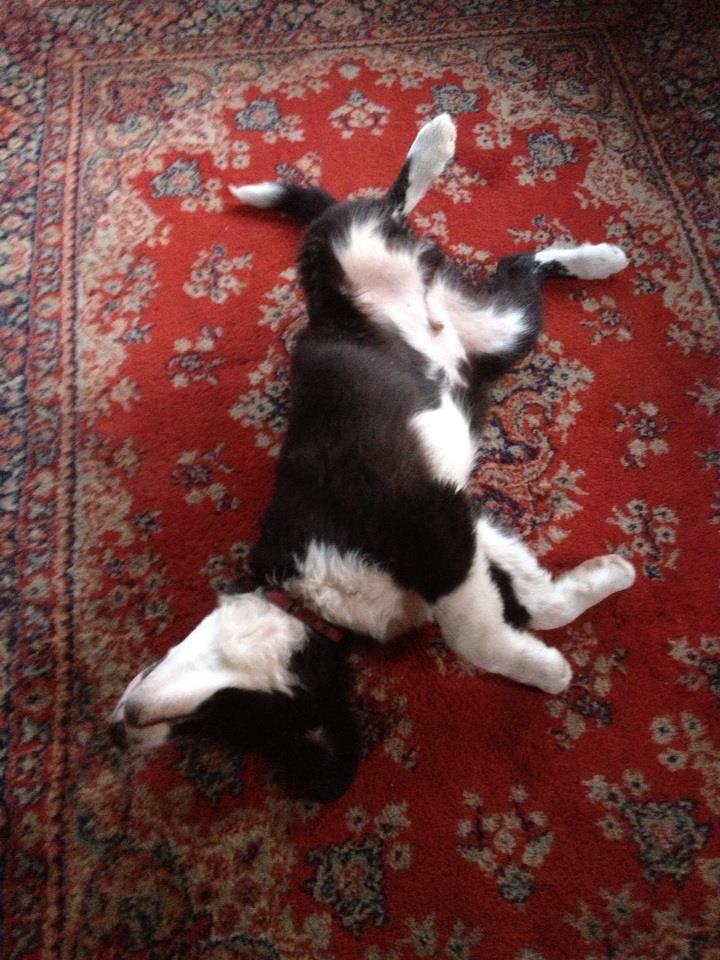
funny sleepy puppy

Franklyn has mastered the art of maximising his time

I was going to call this post ‘make your writing time last longer’ but I reconsidered, deciding that it was probably an outlandish claim seeing as most people juggle jobs, families, and generally hectic lives, as well as their writing.

Not everyone can stretch their time to incorporate more focused writing, but we can all make the most of the time we have available to generate ideas, edit current work and generally further our projects. (This applies to non writers too – as you read on, replace the writing references with whatever hobby/work tasks are relevant to you.)

Here are a few tactics that I rely on to get the most out of my day and maximise its potential.

Exercise first thing. I find this stimulates the body and mind and unclutters your brain. How long does it honestly take you to get going in a morning? Why not use that time to get the oxygen flowing round your body and benefit from the feel-good factor of having a great start to the day?

Many people choose to exercise with a friend because they find it motivating, but I recommend going alone if you can. You’l find your mind fresh and alert, rather than bogged down with gossip/problems – and it’s much easier to get started right away on your projects when you’re done exercising.

Choose wisely. Some writers leave their work with a sentence unfinished, so they’re itching to get started the next day. Personally, I like tasks to be ‘completed’ (read – finished to the best of my ability in that session) before stopping. If you know you only have fifteen minutes to write, and that that’s how long it takes you to get into your character’s mind to work on your current chapter, for instance, don’t set yourself up for failure. You’ll only feel irritated and short-changed when you have to stop. Choose something else that will move you forward.

For instance, is there a character’s name that doesn’t sit right? Research alternatives and mindmap ideas. Is your title not quite working? Play with that. How about redrafting a paragraph of a short story that’s been niggling at you? Maybe there’s a themed submission you’ve got your eye on but haven’t come up with anything yet? It’s time to play with ideas! As writers, the task we choose is vital to our sense of achievement.

sleep kittens cuddling up

As you can see, my cats also follow my advice.

Switch tasks. If you swap between tasks, you can honestly write for longer. It’s a great way of maximising your time. I find that by the time I’ve edited two chapters, my mind is straying from the task in hand and any subsequent chapter editing isn’t as focused. In other words, I need to walk away until the next day. However, I don’t need to walk away fro writing completely.

If I switch to a short story, or a piece of flash fiction, or even my next blog post, I work completely refreshed. I find, however, that trying to plan too rigidly can get stressful because you feel like you can never do enough. Write a list of the writing goals you want to achieve that week, with your main WIP prioritised. Once you’ve achieved your main goal, work through the secondary list one by one. You’ll be amazed how much you can accomplish.

Notebooks & other devices. All writers talk about the ingenious notebook – that magical place where we can jot down overheard snippets of conversation, plot ideas, observations and interesting facts that may be useful later. But they’re not that ingenious if they’re sat on the desk at home, unopened. Get used to carrying your notebooks around – make it a habit, like picking up your keys or driving glasses.

If you prefer technology, or a multi-sensory approach, use an app on your phone like Evernote to record ideas and inspiration. I love Evernote because you can take snaps, record your thoughts via audio and make notes – all in the same spot. And if you sync them online, you can access them at any time from any computer. Genius, hey? There are various diary and note taking apps available – try some free downloads until you find one that you enjoy using. Then you have yet another handy tool for collecting ideas.

Create time. Ask anyone about their day, and they’re busy. Almost too busy to tell you about their day. You don’t get many people saying – well, I read a paper, walked the dog, then sat staring out of the window, enjoying the view for a few hours. We’re all busy all of the time, but look at how you’re spending your day and ask yourself – am I spending my time wisely?

People with incredible lives make them incredible. They make choices that give themselves more time to do the things they want to do. Are there things you could do smarter? For instance, could you combine tasks, such as walking the dog to buy your groceries? Do you really need to sit chatting during your lunch break, or could you fit in an extra half hour of writing? Even twice a week? Is it really necessary to spend that much time on Twitter? Which leads us perfectly to…

Internet off. Not forever, but while you’re writing. When you’re writing, that should be your sole focus. Otherwise, you’re in your world, not your character’s – and how is that going to be believable to your reader?

Then there’s the distraction of checking emails, chatting about your writing on twitter (otherwise known as procrastinating), sticking up some inspirational pictures on Pinterest – ooh, and then I wonder how THAT writer’s getting on over on Facebook. We’ve all done it. But there’s nothing that can’t wait until you’ve achieved that day’s goals. So while we’re at it…
franklyn puppy with toy collection

Internet, phones, TV off. No distraction here! I’m 100% focused.

Phones off. Voicemail is the answer. We’re used to being completely contactable 100% of the time, but is it necessary? When police are patrolling the streets, they can’t use their mobiles – and their nearest and dearest wouldn’t even consider trying to call them while on duty. Likewise for librarians, schoolteachers, shop assistants and anyone else when they’re working. And so be it for writers. Only you have to make it clear – and stick by it.

No TV. I know this isn’t ideal for everyone but if you don’t switch the TV on, you’re not distracted. If you don’t have a TV, there’s no ‘switching it on for background noise’ then ‘accidentally watching’. When people go on holiday, they’re amazed at how much they fit in. Often, it’s because they’re not sat watching TV for a section of their day.

That’s not to say TV is a bad thing, but if you want to maximise your time it’s a no go area – at least while you’re writing. A less drastic alternative (and a nicer compromise) is to set a writing task that you have to finish before you switch the TV on. There, that wasn’t so bad, was it?

Wait. This is the one that many find hardest of all – especially in the early stages of a writing career – but waiting is actually beneficial. Letting your writing sit for a while before redrafting works wonders. Flaws are easier to spot, tongue-tied sentences stick out and if the idea hadn’t quite blossomed enough, the gaps are easier to identify. In short, the quality of work you produce is often much higher than if you tried to redraft it day after day for a week. If you don’t already wait, try it and see.

Now I don’t claim to be an expert on these matters, but these things work for me and I hope they work for you too. If you have any other tips on making writing time more effective, please let me know! I’m always looking for ways to keep the day productive, stress-free and enjoyable – while making the most of my writing time – so all suggestions are welcome!

How will you make the most of your writing time today?

Some favourite Wordsparks so far…

Last week, I posted about the Wordspark writing prompts blog on writing.ie. This week, I’d like to share a few of my favourite responses from the readers so far…

*

“Breathes life, takes life, one of life’s pleasures, dead, alive.”

by C. J. Black

(In response to Description:  Describe the sea in just ten words, for someone who has never seen it.)

*
“Clouds fall, pluming to the wave’s tumbled height
Rolling, reflected, on the salt-damp bight”

by Guy le jeune

“Away in the distance is where I stand
My forgotten pieces strewn on the sand”

by Sean Marshall

(Both in response to a photo-inspired rhyming couplet Wordspark)

*

“Those pesky giant walking broccoli plants were pushing at the kitchen window again, AND Sara was down to her last bottle of Sancerre.”

by irishherault

(The Prompt: to write an opening line based on a photo)

*

We’d run down the Mill Lane, up the stairs and onto the bridge for the mail train from Strabane. We’d stand right over the line as the train hurled underneath and it was all smoke and steam and fury. Our faces would be black and when we got home me mother would give out stink. This one day we went down to catch the smoke and Eddie was there beside the tracks. Me mother said Eddie wasn’t all right—you’d see him standing on the lane, laughing at the sky. We climbed up to the bridge and we could still see Eddie just standing there, talking to nobody. In the distance we heard the clatter and saw the trail of smoke. Eddie jumped up on to the rails with his hands held above his head. We all shouted for him to get out of the way but he just stood there, yelling all sorts. The train screamed and whistled and squealed. We couldn’t look, but we couldn’t look away. There must have been the length of sweeping brush between the front of the engine and Eddie. That was the day when Eddie McCrae stopped the mail train from Strabane

by Guy le jeune

At the back of our house, across the fields, ran the train line. When Da passed on his way to Cork or Limerick he would beep the horn and we’d flash the light on and off to let him know we heard him. On his way home, he’d beep again to let Ma know he was on the way. Da didn’t drive a car, only a train.
We weren’t allowed near the railway line. Ma and Da would go mad when they found out we were up there. We went to pick blackberries, and the best ones were always along the railway. One day, Da passed on the train and saw us. He beeped the horn and put his fist up at us. We knew he was going to kill us when we got home so we stayed out for ages ’til we thought he’d be gone to bed. He always went to bed when he came home if he’d been driving through the night. He was still up when we got home and there was murder. When Da went to bed for a few hours, Mam still made jam with the blackberries we collected. My Ma made deadly jam.

by Patricia Nugent

(In response to: write a piece of flash fiction of less than 200 words, inspired by the postcard shown.)

*

Last, but certainly not least, I’m including the opening paragraph of our festive-themed Wordspark of a short story under 1000 words. There’s a link at the end to the rest of the story, which I highly recommend: this piece received the most responses from other readers/writers.

Away in a Manger by Sinead O’Hart

I knew better than to turn on the main bathroom light – the noise of the fan alone would be enough to wake Simon up, and that was the last thing I wanted. I just wished I’d had the foresight to unwrap the thing beforehand, but I took it slowly and kept the rustling to a minimum. As I worked to open the packet, I kept the bathroom door open, just a crack, enough to hear him if he moved, but there wasn’t a sound from the bedroom besides my husband’s gentle breathing. Once I’d freed it from the wrapping, I closed the door to our ensuite as gently as I could, and just got on with it. I wondered, as I sat down, whether it was a marketable skill, this ability I had to pee accurately in the pitch darkness – I guessed it really was true about practice making perfect. How often had I done this, now? I’d long ago lost count. Read more…

(Please note: these favourites were originally posted on writing.ie)