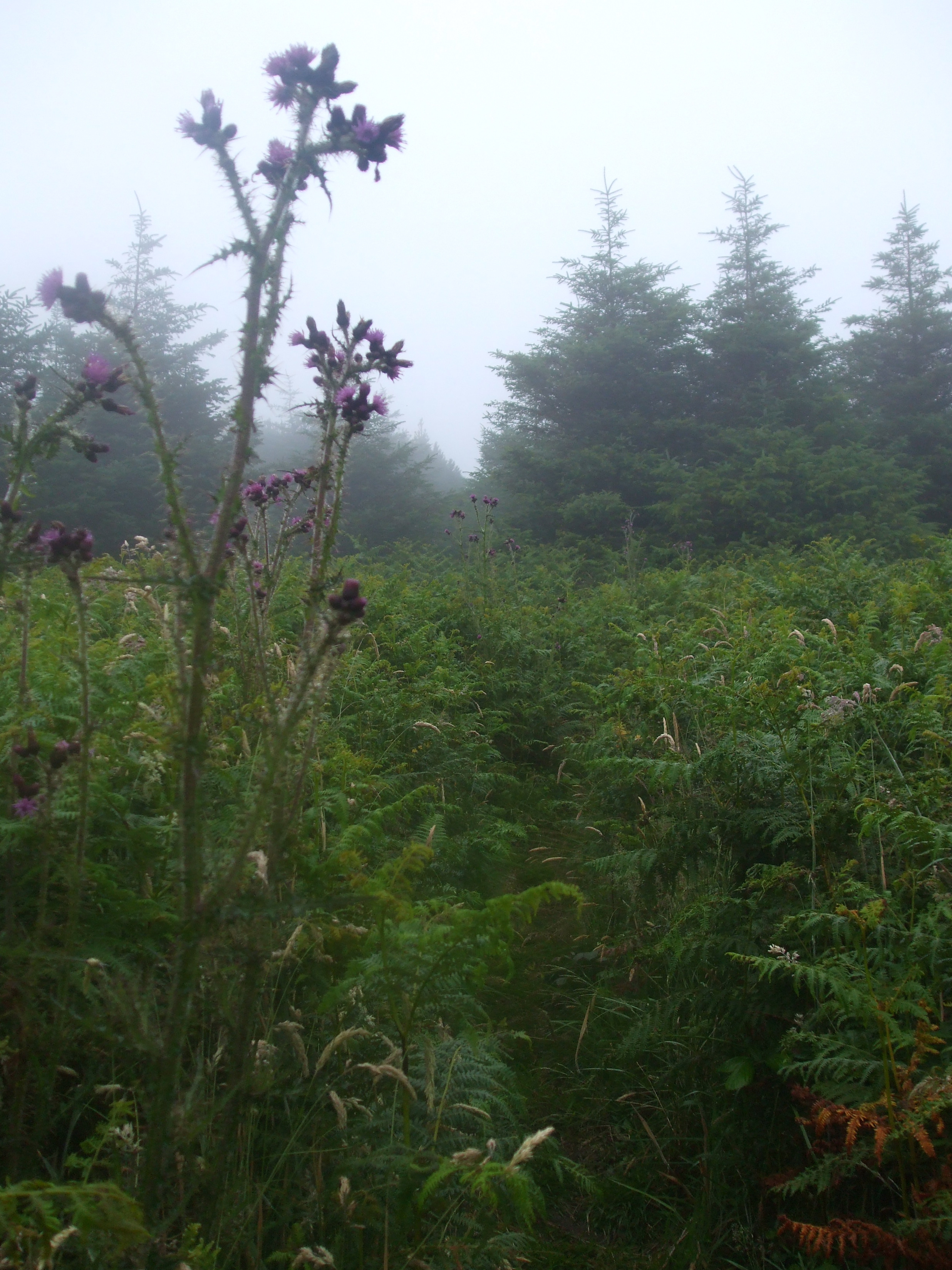
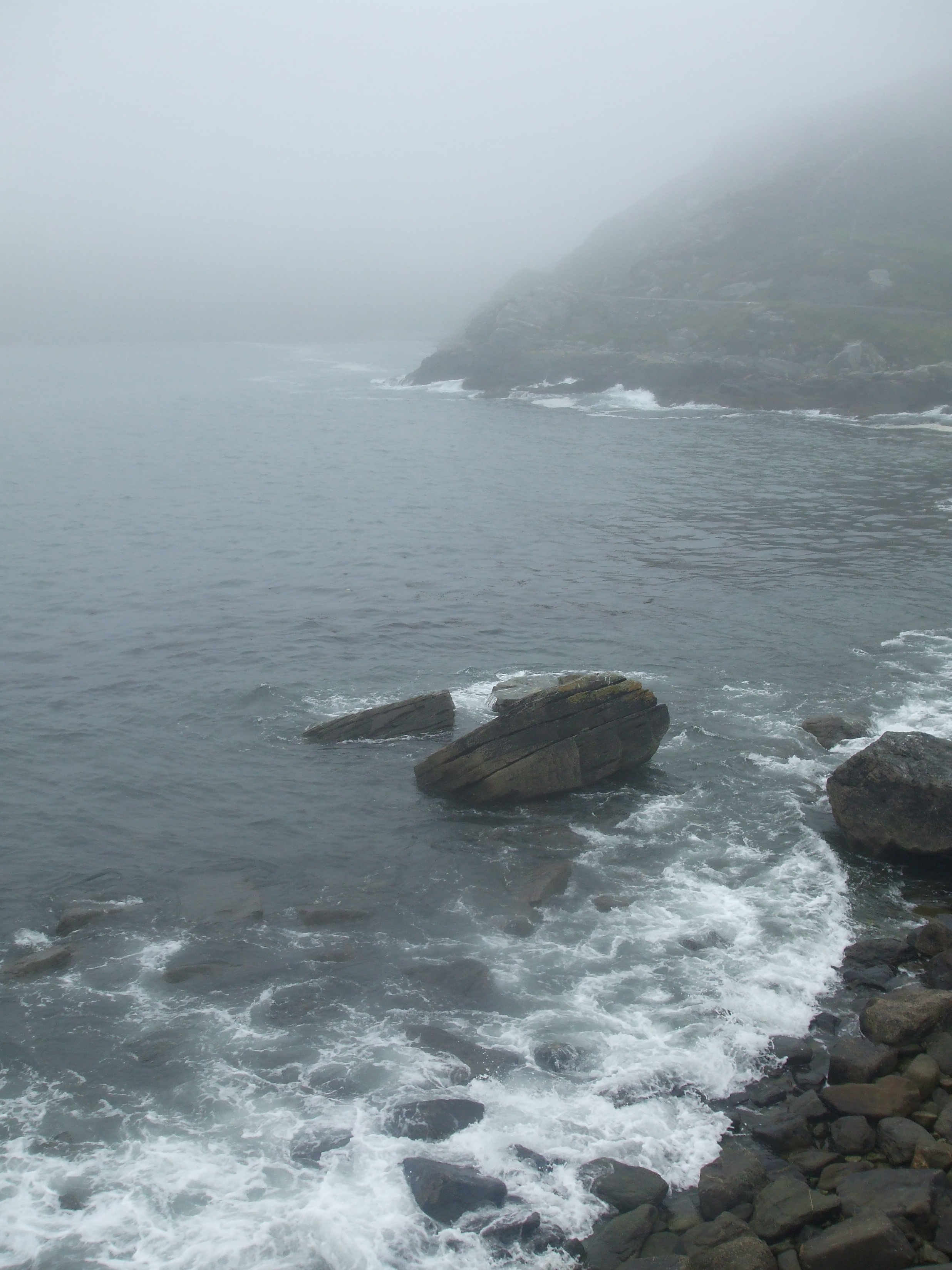
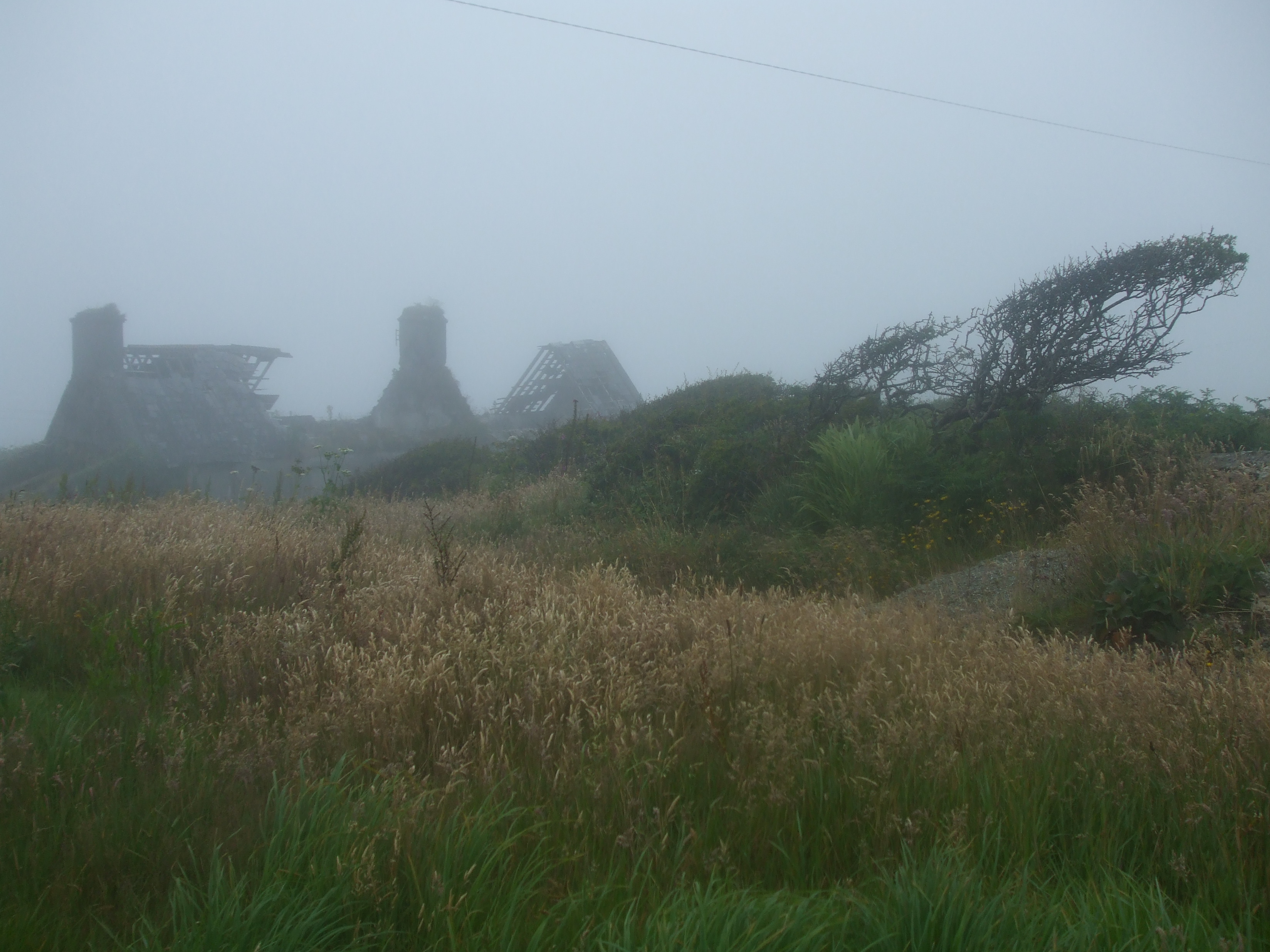
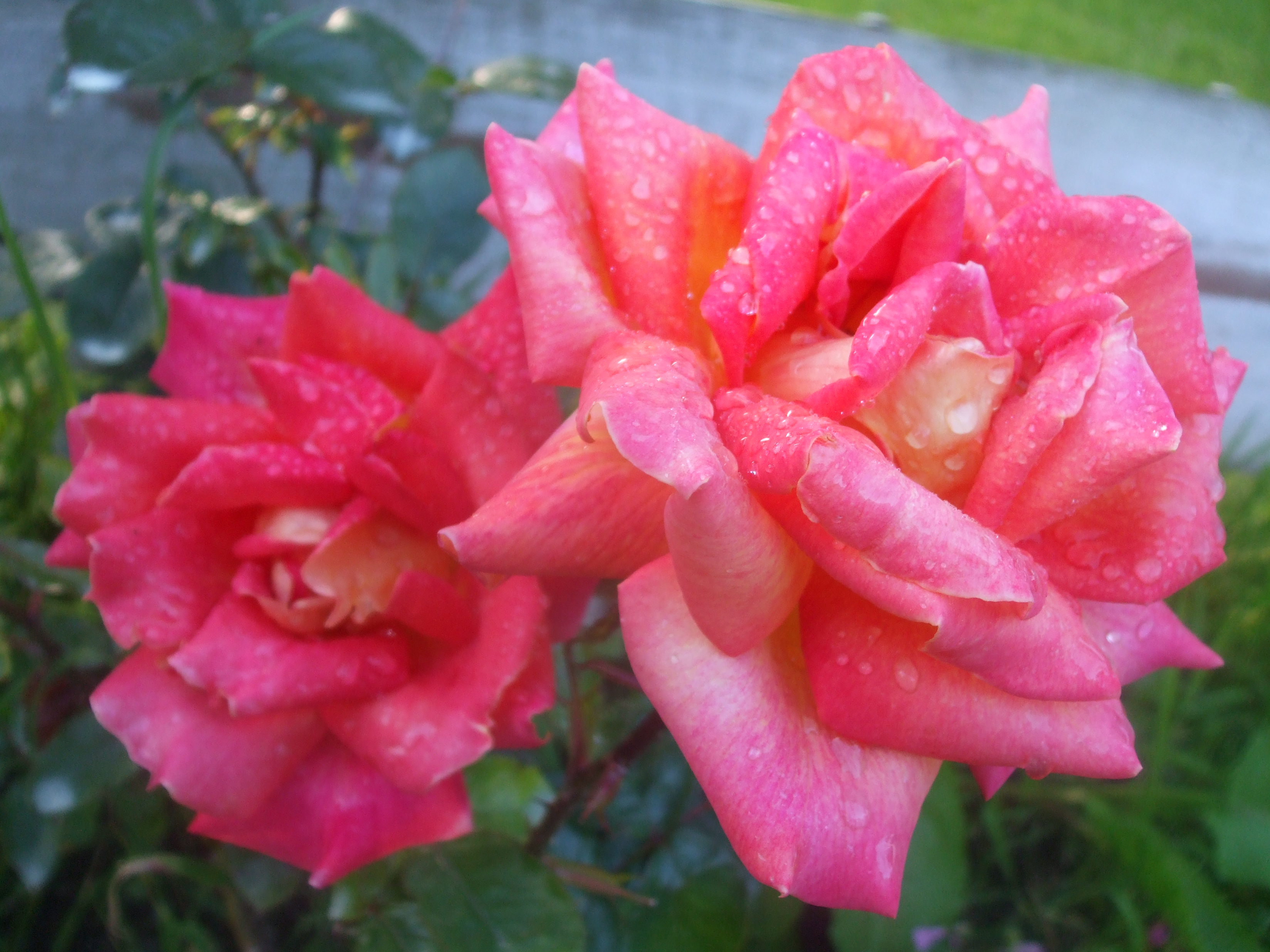
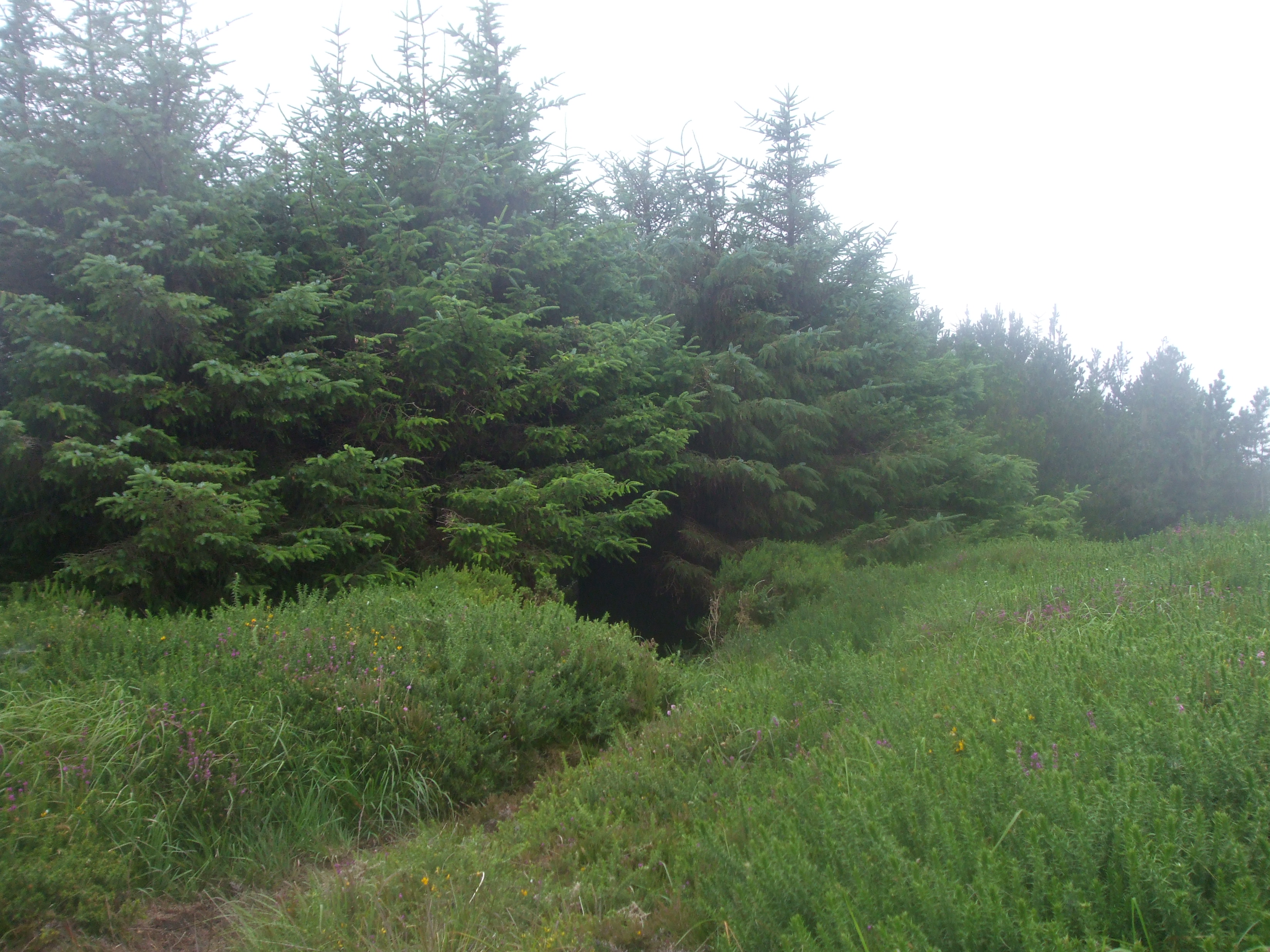
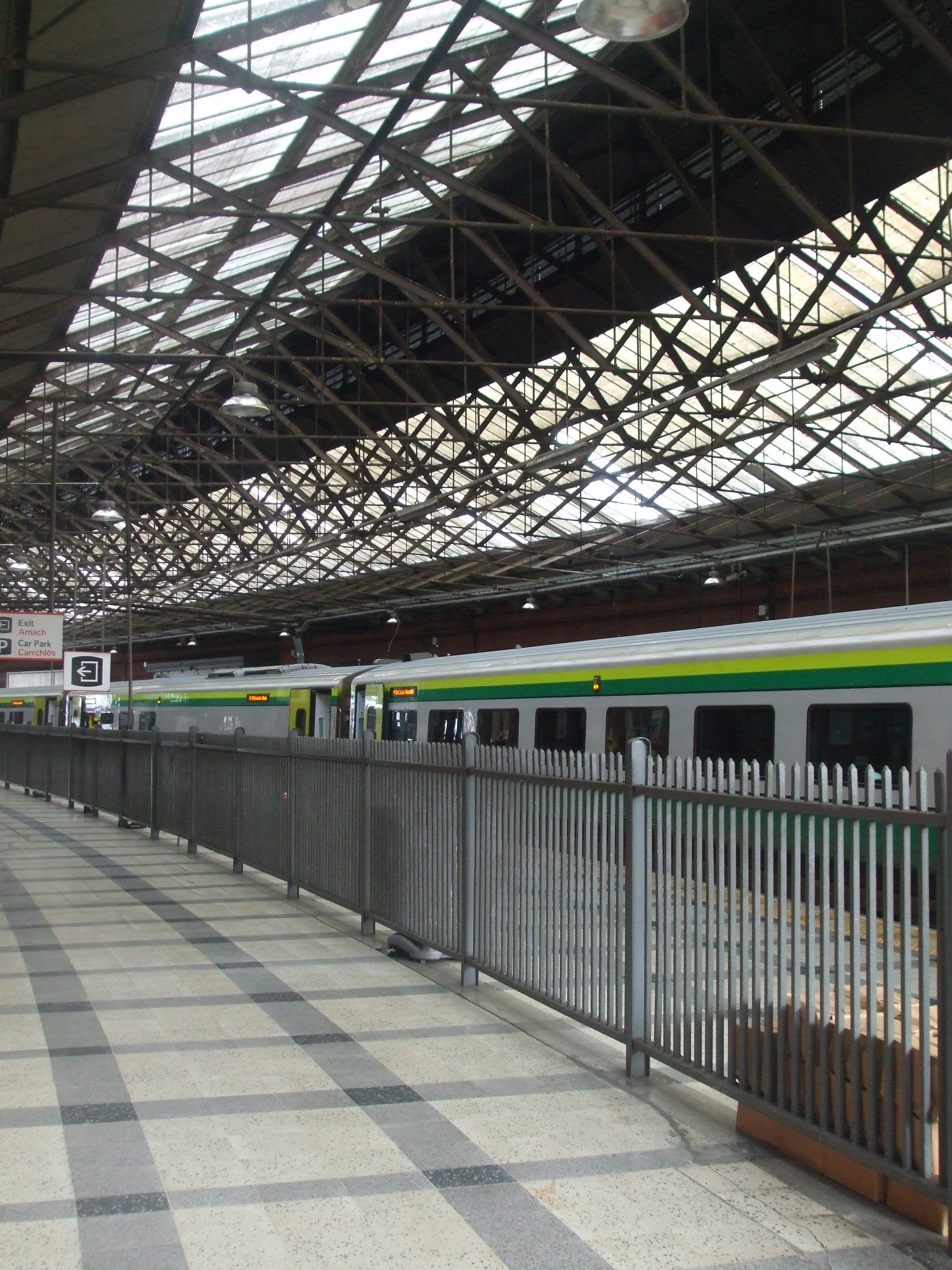
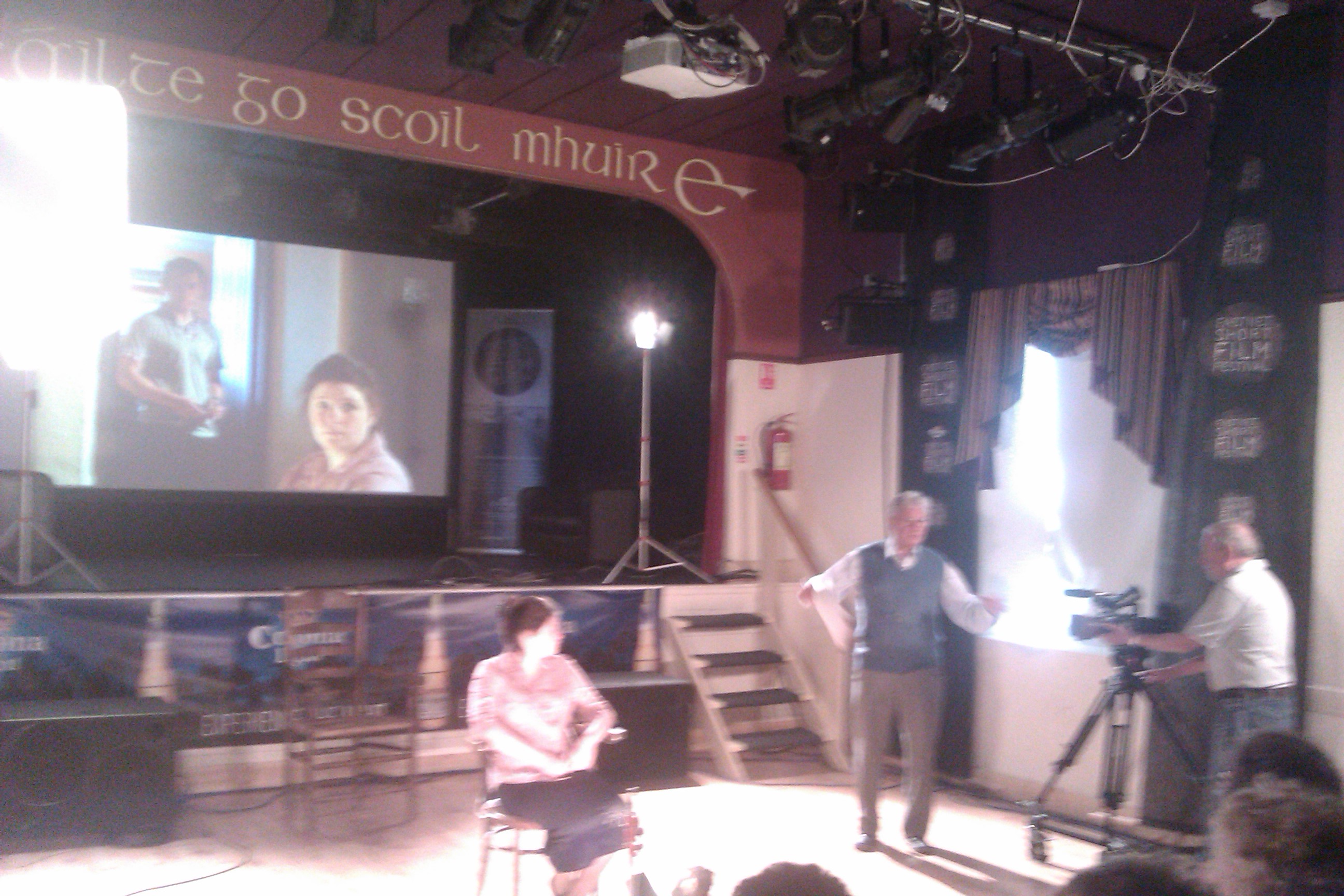
Autumn in photos

I’m currently taking a break in London – part business, part pleasure. But in my absence, here’s some local autumn scenes and a few things I’ve been up over the last few weeks…

A disappointing corn crop

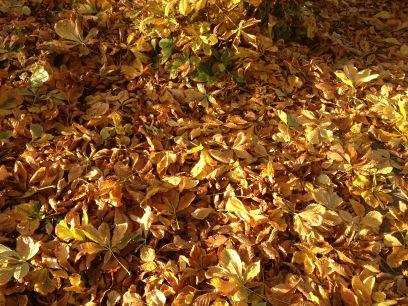
Golden brown

Setting for my creative writing class for teens

Preparing windfall apples for Christmas

Beautiful autumnal mushrooms

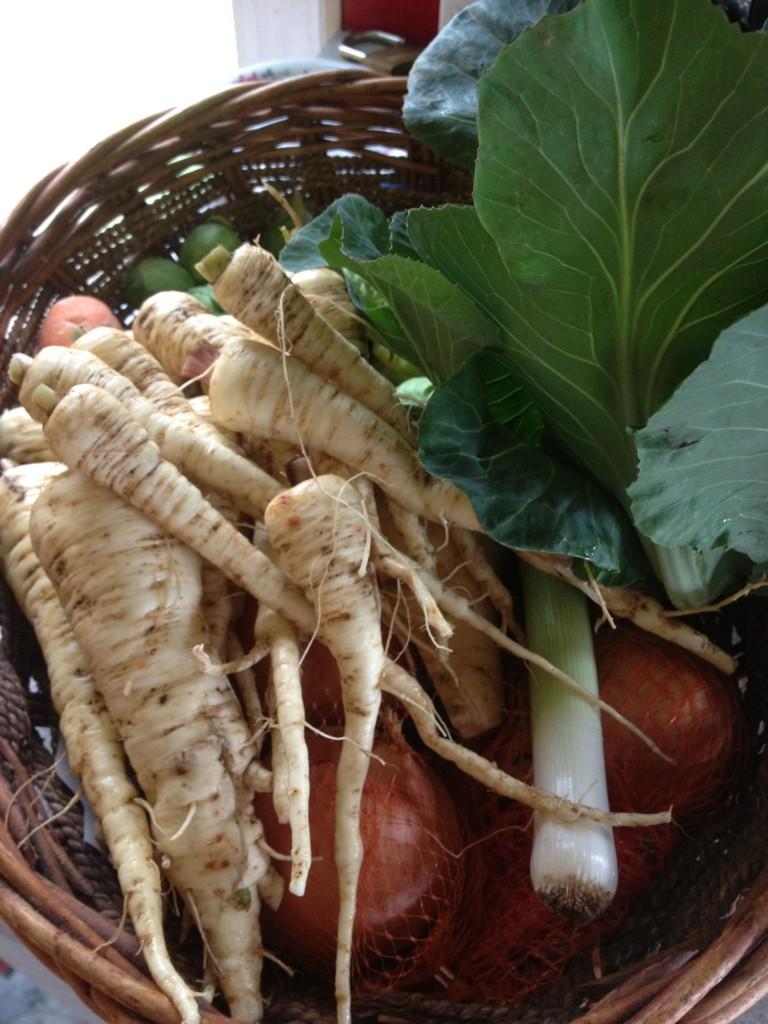
Coming to the end of our harvest

Visit to Moth HQ for a writing masterclass

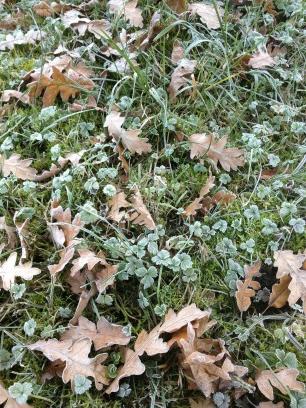
First signs of winter frost

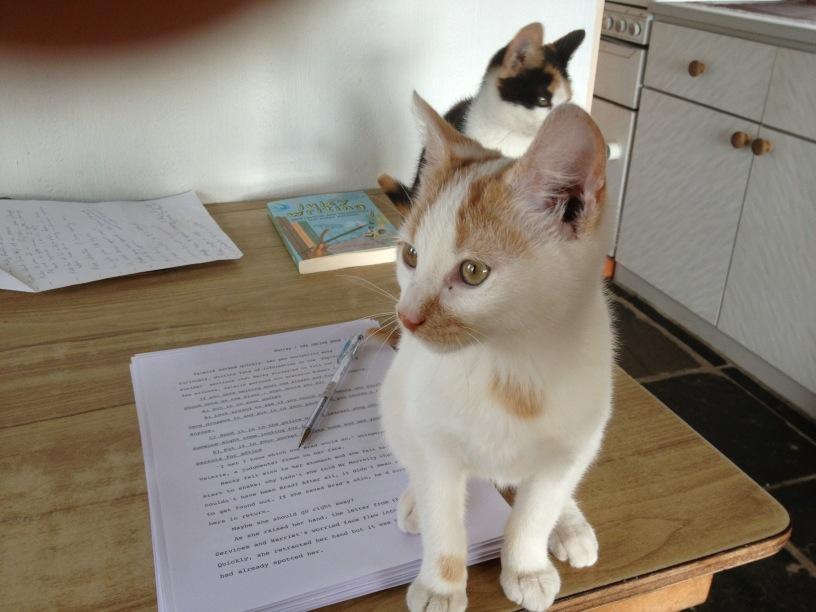
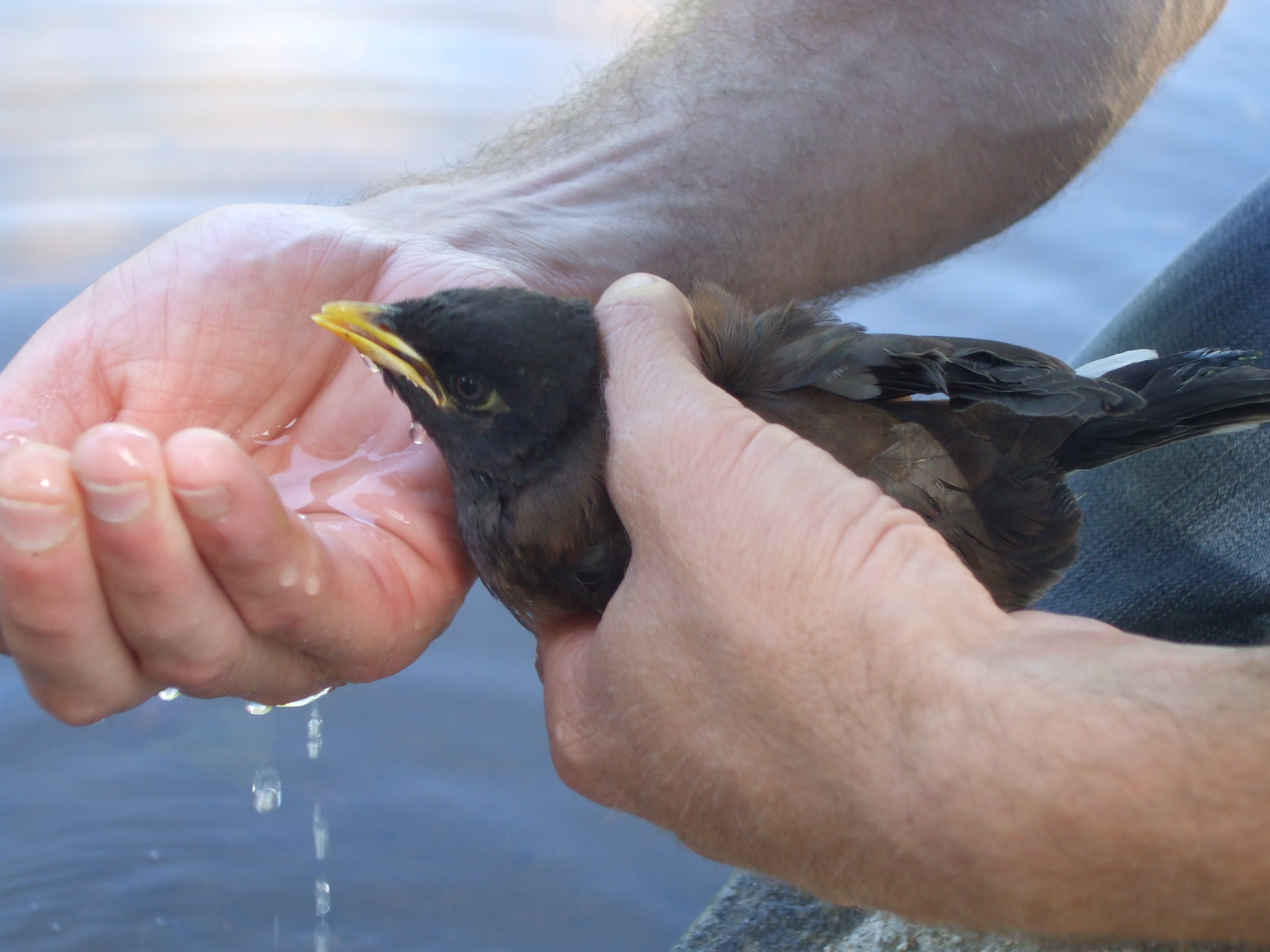
Tricky (but cute) working conditions

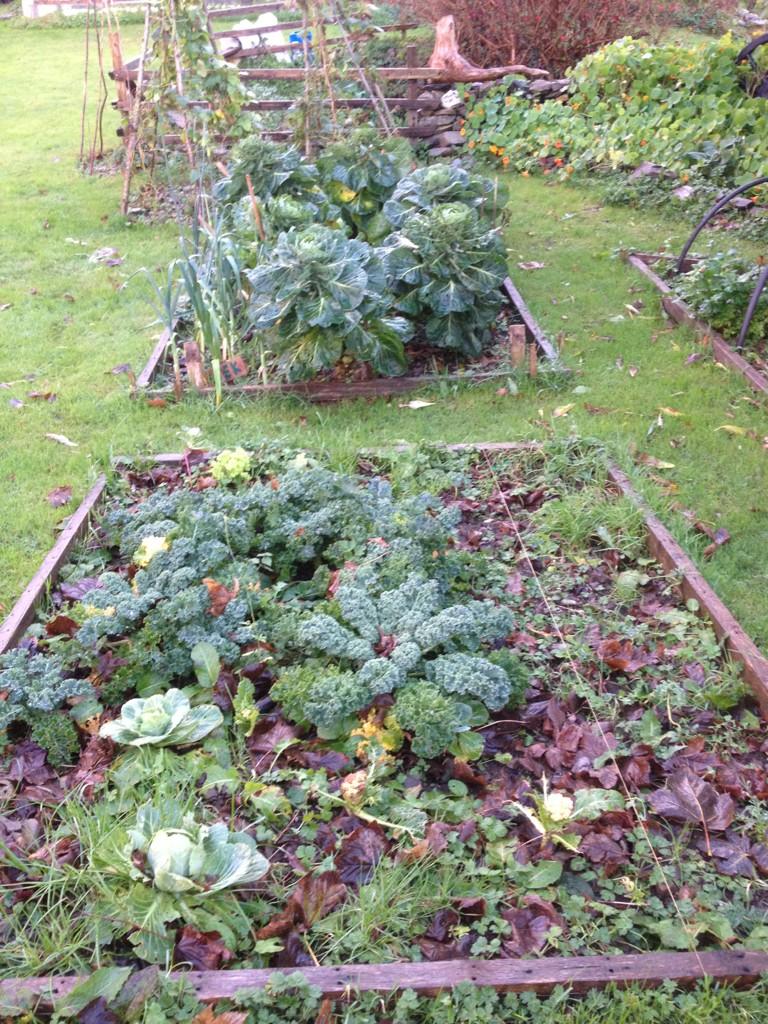
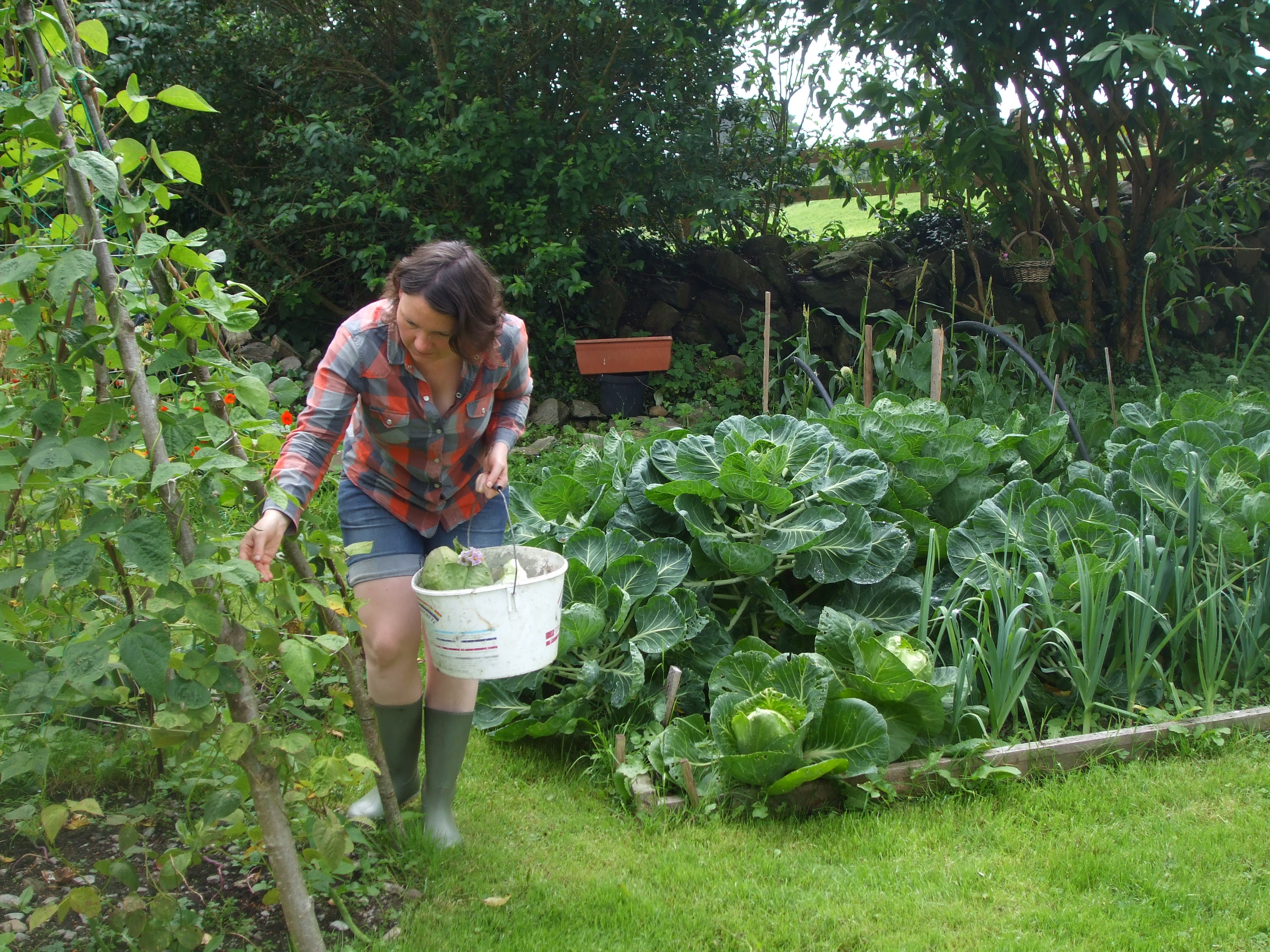
Some garden still grows

The wolf we feed

A beautiful book of Native American wisdom

I’m not sure where my niece got this, but she posted it on Facebook last week and it struck a chord…

An old Cherokee told his grandson: “There is a battle between two wolves inside us all. One is evil – it’s anger, jealousy, greed, resentment, inferiority, lies and ego. The other is good – it’s joy, peace, love, hope, humility, kindness and truth.” The boy considered his grandpa’s words and asked, “Grandfather which wolf wins?” The old man replied “The one you feed.

I’m not one for moralistic tales usually, but this one resonated because I do believe that as people, we have power over our own futures. In most situations, our own outlook affects the outcome. External factors can place difficult obstacles in our way, but it’s up to us to make the decisions regarding how we react and how our life moves on from there.

You only have to watch or read about other people’s accomplishments and the outstanding things they’ve overcome to understand what I mean. Take the Olympics, Paralympics and Special Olympics. Consider Nobel Peace prize winners such as Tawakkol Karman and Liu Xiaobo. What about Seamus Heaney and Kenzaburo Oe, two personal favourites who have been recognised for their literary efforts with the Nobel Prize for Literature?

All amazing examples of incredible people doing incredible things – and they’re simply human like us. Now, not everyone is going to change the world, but I do think that we have a duty to take responsibility for ourselves and our own achievements. Our happiness and fulfillment is up to us. We need to make our time on earth the best it can possibly be for ourselves and, in turn, for others. As you read this, I bet you can think of a few outstanding friends or relatives straight away who do just that.

This is also true when it comes to writing – or any other vocation for that matter – because talent will only get you so far. You achieve success through dedication, determination and will power. How you maintain this is up to you, but a positive approach certainly helps. If you’re stuck or not getting as far as you’d like, it may mean you’re setting unrealistic goals and expecting too much too soon.

But could it be that your own attitude preventing you from getting any further on your work in progress?

Take the following scenario for instance: You were expecting to write for four hours, but a water pipe broke and you had to spend an hour cleaning up the mess, securing it as best as you could. Then another hour was spent finding and organising someone to come and fix it. The plumber’s on his way and it’s going to take time to sort. You’re left with an hour of that writing time. How do react? Which of the following sounds most like you?

  1. I’ve only got an hour so there’s no point writing now.
  2. I’ve got an hour – it’s not much but at least I can jot some ideas down.
  3. What can I do in an hour? Better ask my twitter friends…
  4. I’m way too cross and distracted to write now.
  5. At least I’ve still got a whole hour for writing.

In short, the same situation can look different, depending on what attitude you adopt. Are you procrastinating and making excuses or are you writing?

Which wolf will you feed today?

Giving Back

Lend a helping hand where it’s needed

Writing is a lonely occupation and it can be easy to get wrapped up in one’s own book, marketing, self promotion, sales, etc. However, as writers we need to remember that whatever stage of our career we’re at, we owe some of our learning to others.

Whether it’s favourite authors, university lecturers, creative writing class tutors or feedback from publishers, we gain inspiration, support and guidance from others on a regular basis. And that’s why it’s important to give something back.

Even in the early stages of your career, you can help another writer by reviewing their book, sharing their tweets, or commenting on blog posts. You can encourage another writer – new or established – to keep going. You can buy their books, attend their launches and introduce them to other people you know they’d click with. Every helpful action counts.

Thankfully, one of the things I love about the writing community is its generosity. From bestselling authors to debut novelists, writers share a certain amount of camaraderie that extends to others in the same profession, whatever stage of their career. Rather than competitive, it’s supportive. Particularly online. But is there an element we’re forgetting?

There’s so much we can do that doesn’t involve clicking on the Retweet button. Are there any local writers you can support by spreading the word on their launch? Are there people in the local community that you can share your skills with? Can you help encourage local talent?

As you’ve all heard me mention many times, I gave up a great job in the city to live rurally and write full time. I probably should apologise to you for banging on about it so much, but in reality, I can’t! I’ve gained so much knowledge and have been made to feel so welcome in this small community of farms, fishing and artists, that I can’t stop saying how wonderful it is. Because it really is.

That’s why I’ve decided to give something back. It’s not much, but I know that the winter months are long and tedious for many children in this area. The weather dictates outdoor activities and the fishing and farming are both dangerous and difficult. The scenery is still beautiful, the people still welcoming and hardworking, but leisure activities are limited. So, I’m starting two children’s book clubs and two children’s creative writing classes in Whyte Books, the local bookstore.

Now, I’m not looking for praise – I reckon I’ll get more out of it than the kids in many ways – but I am hoping that this post makes you thinkWhat can I do as payback?

It doesn’t have to be direct teaching or take up too much of your time. Recently, friend and writer Maria Duffy suggested a #onekinddeed day, where people tweeted about something nice they did for someone else, just because they wanted to. What a lovely idea – and one that was very well received.

I believe that as writers, we need to take note of Maria’s spirit and lead by example. Why? Because talent needs to be fostered. Because rejection is tough. Because we’ve all had difficult days and we’ll all have them again. And don’t forget, there’s another generation of writers on the way, ready to inspire, engage and enthrall – they just need to know it’s possible.

What will you do today?

(With thanks to Maria for inspiring this post)

Farewell to summer…

As I watch the trees turn into glorious shades of amber, burgundy and golden brown, with a warm, glowing sun – I can’t help but feel that all is forgiven re the terrible summer (think gales, flash floods and frost).

So, to say farewell, here’s a few photo’s of the final few months of ‘summer’ in lovely West Cork.

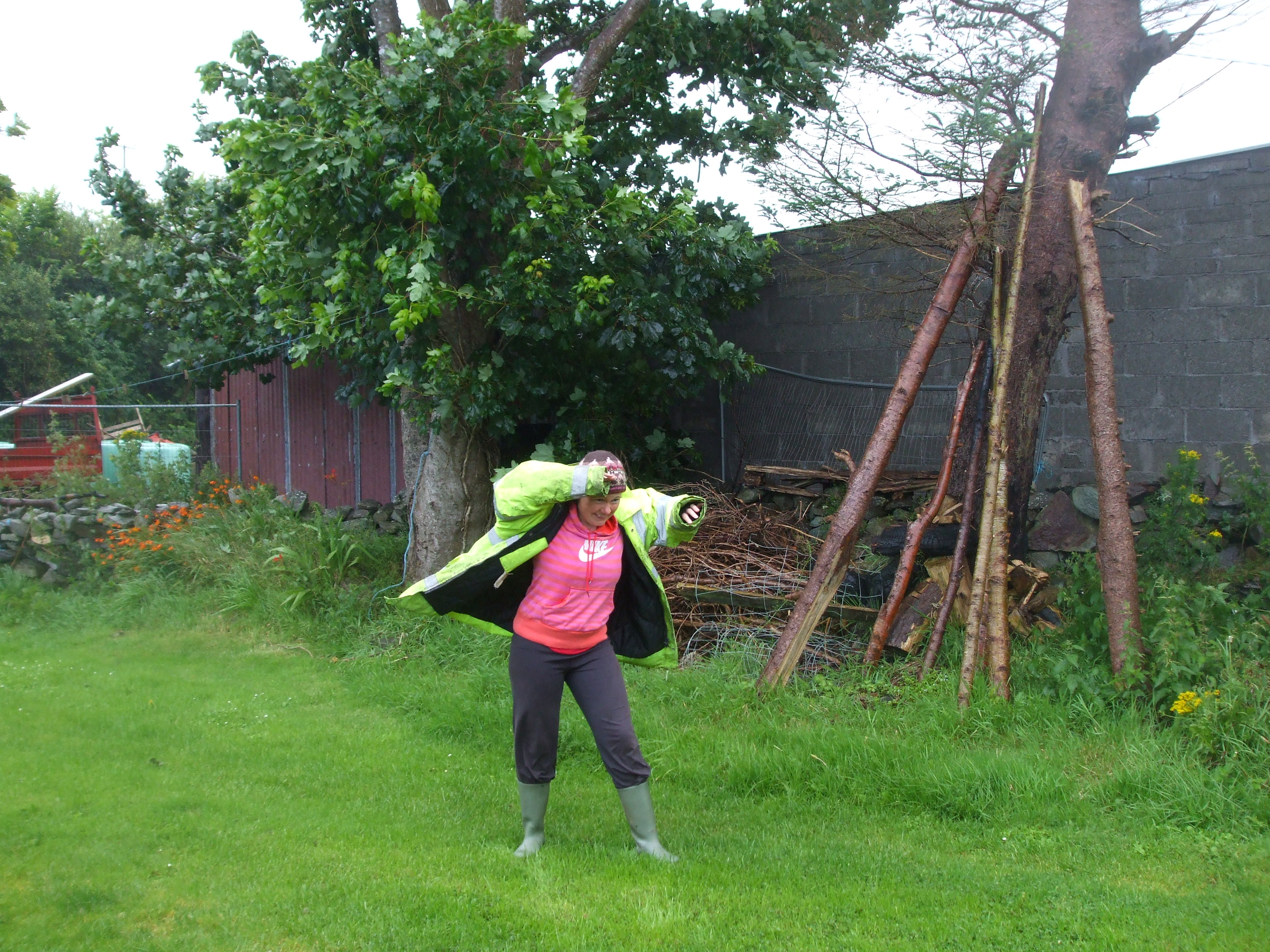
A gentle summer breeze…

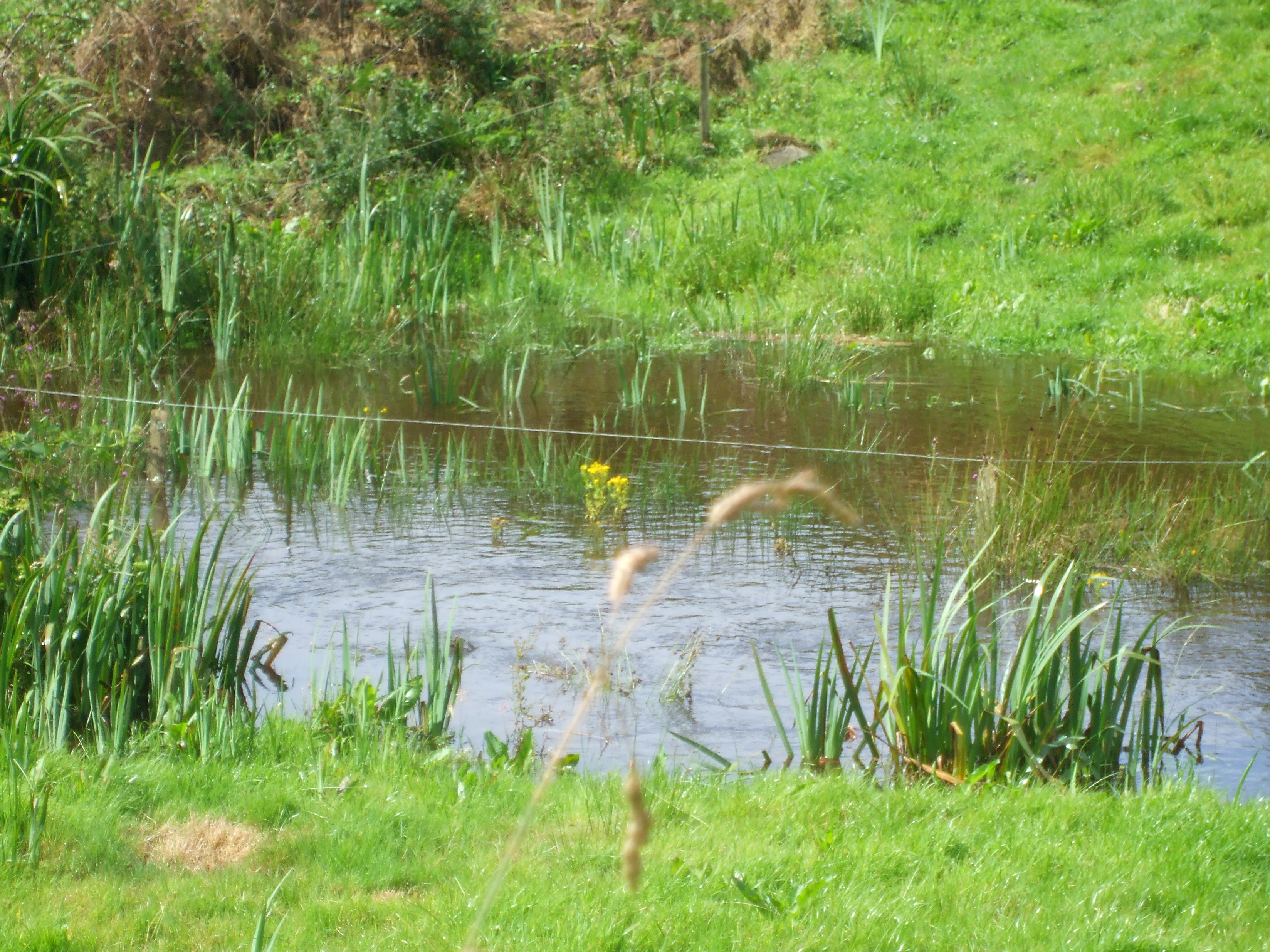
Our field turned into a pond (August, 30 minutes of rain)

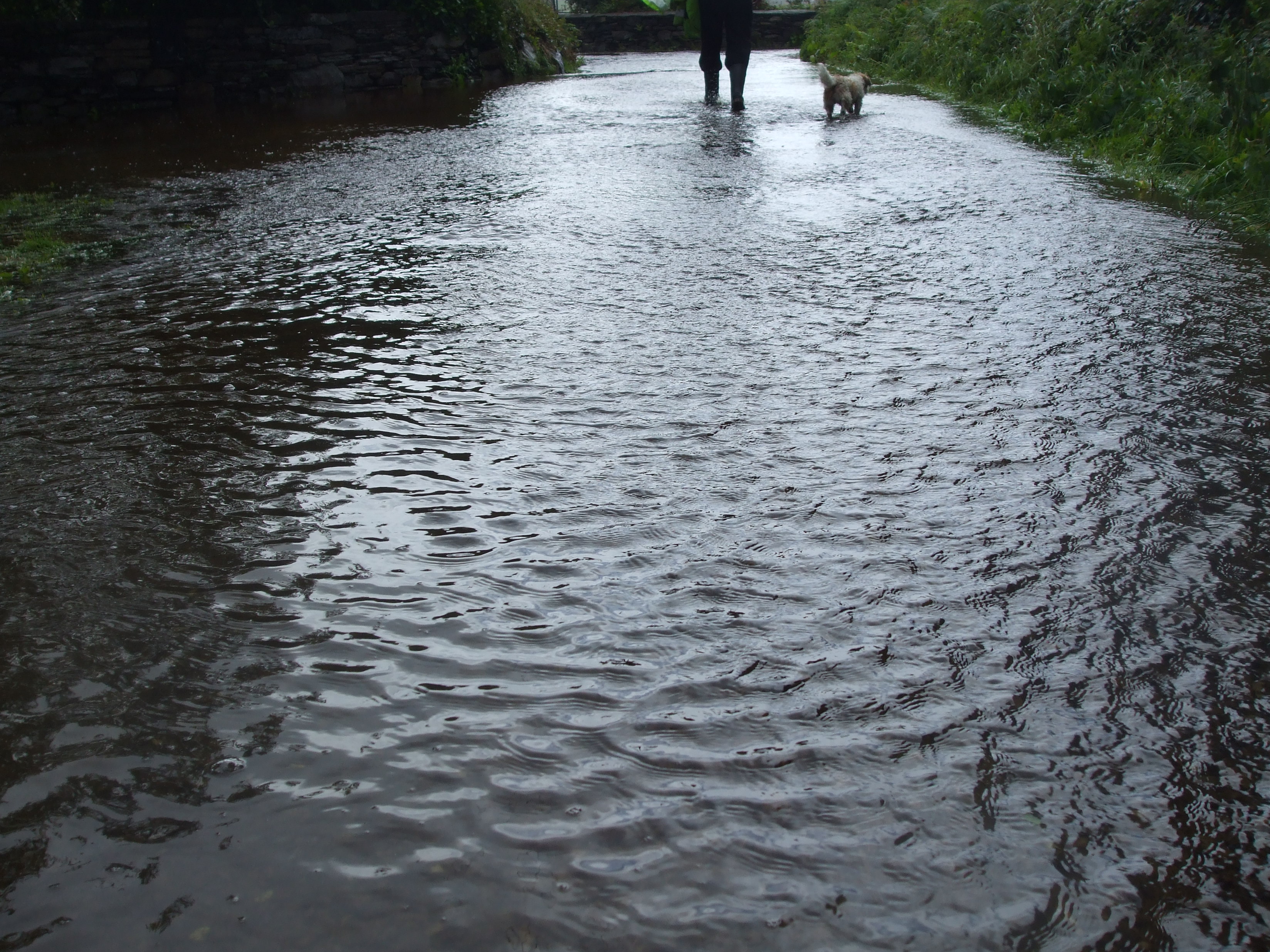
Road turned into a river

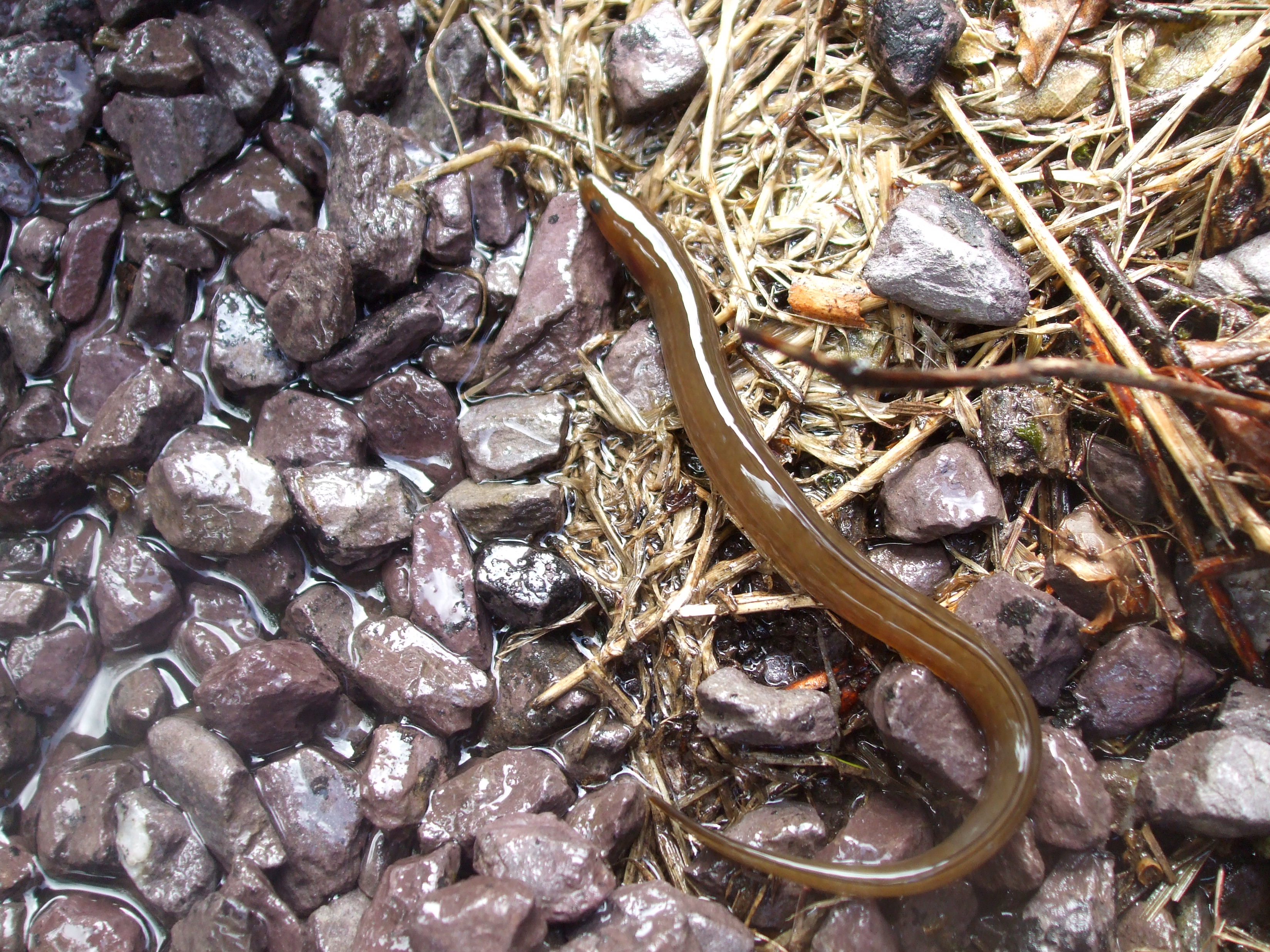
Eels swimming up the road!

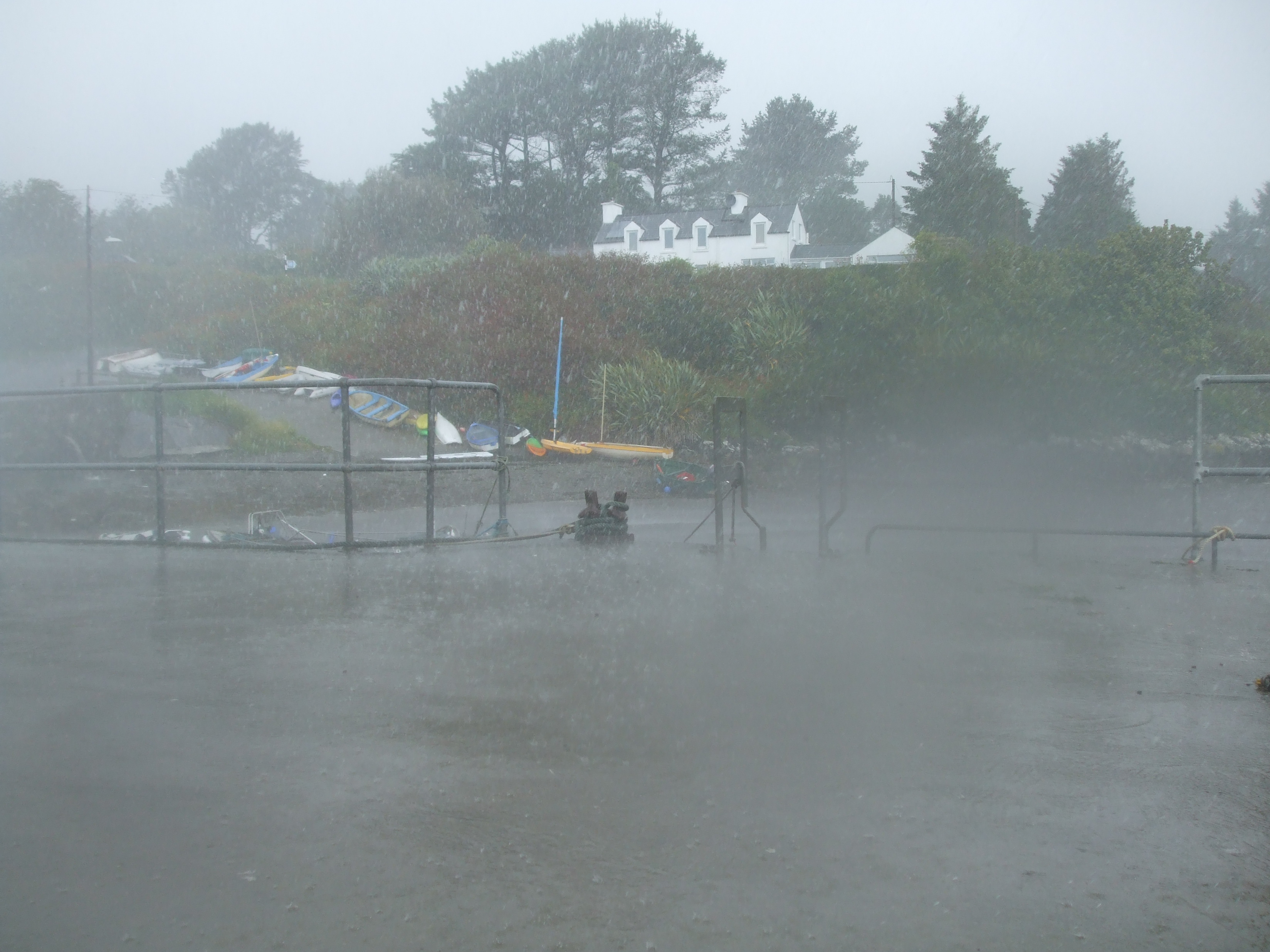
Driving rain (hence the floods)

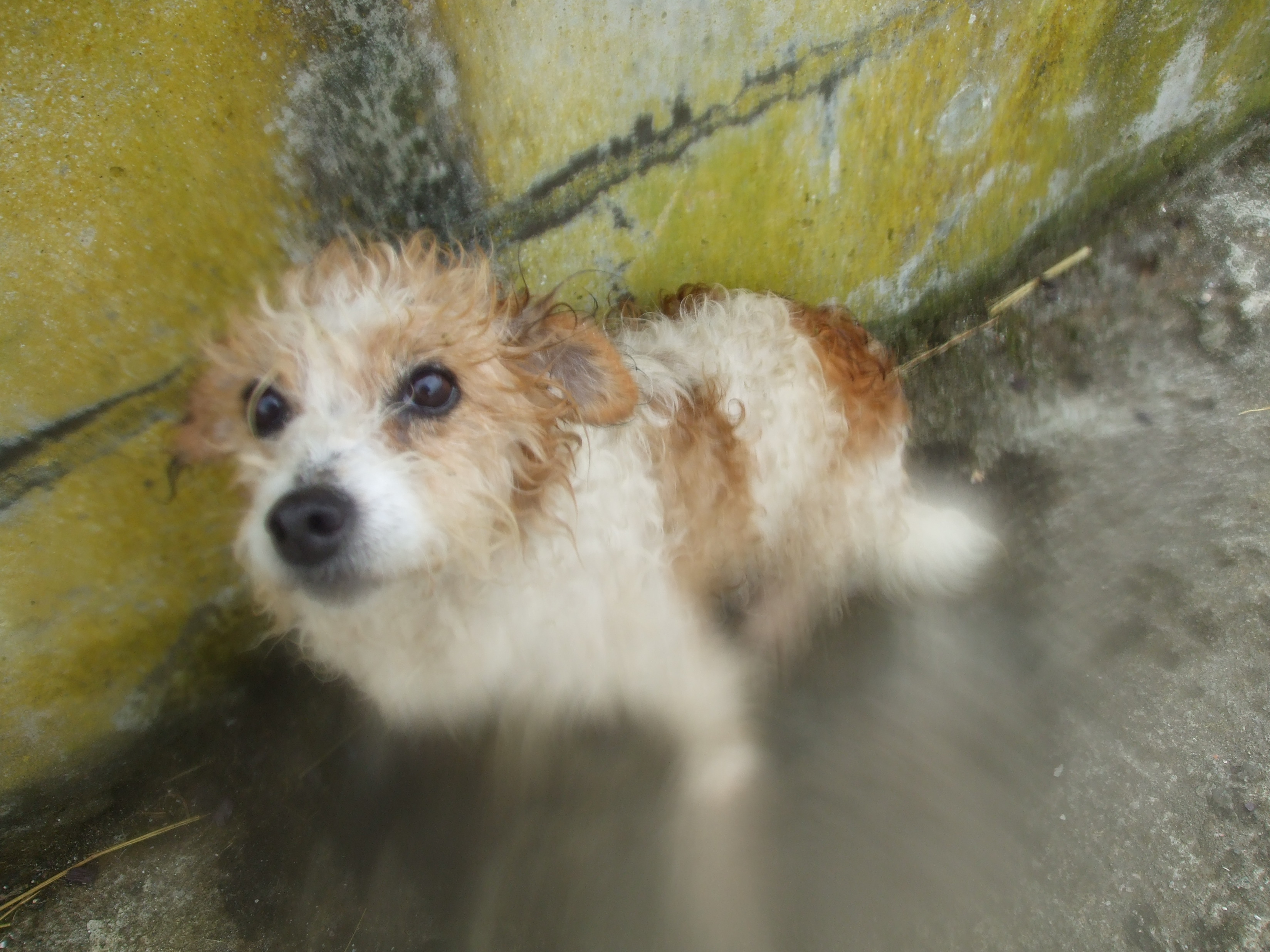
Poor Bob insisted on her walk (hot bath followed)

All’s not lost: runner beans, leeks & sprouts doing well

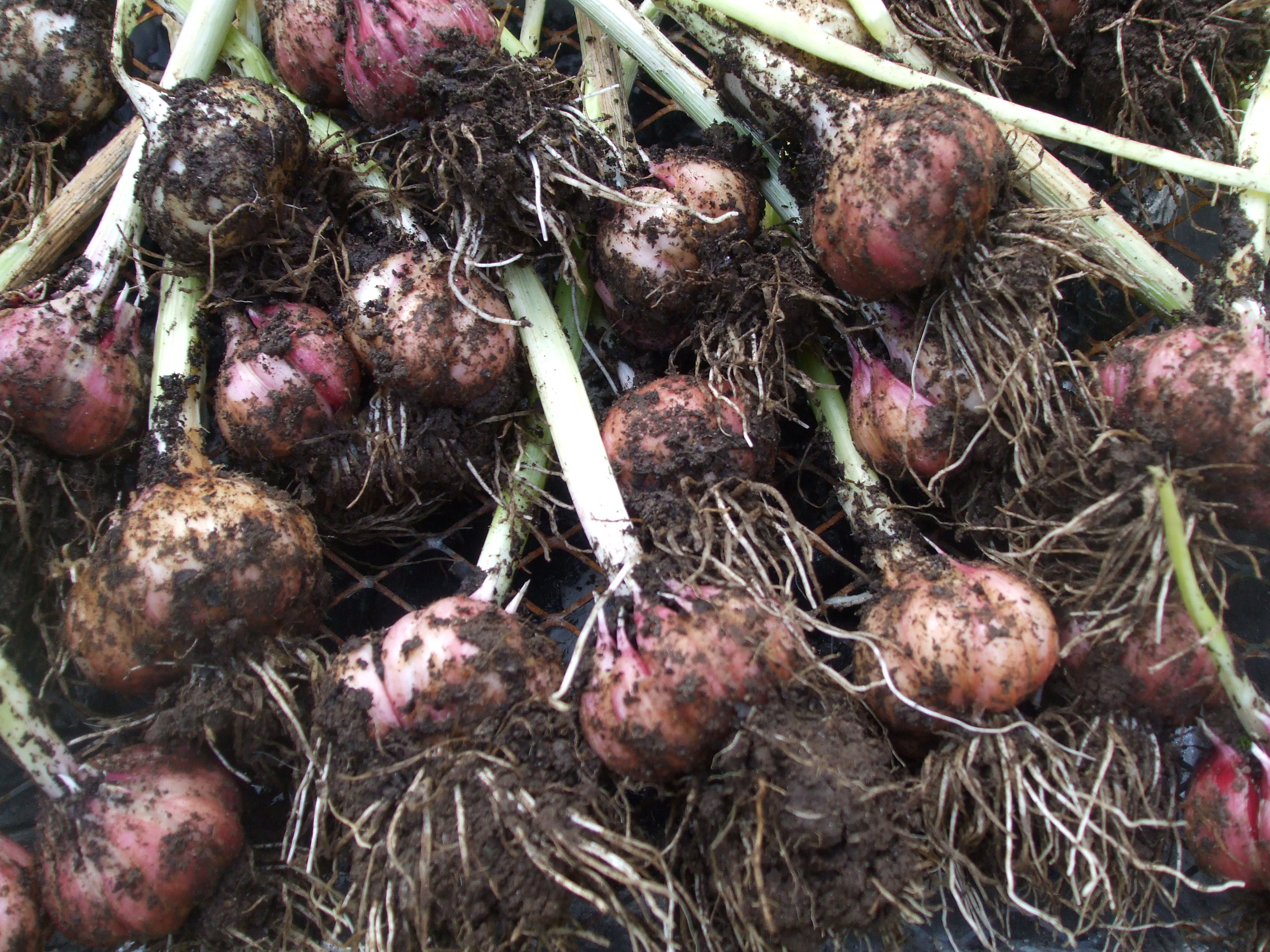
Garlic crop: small but pungent

Meet Ozzy and Freckles – two very wild additions

How did your summer compare?

What should children read?

Some personal favourites – but what about you?

I’m starting some children’s book clubs this winter and would love your thoughts on what to select for the reading list.

I live in such an amazing rural community which has not only been welcoming and supportive, but has also enabled me to create the kind of environment necessary to write full time.

As summer draws to a close, I’m aware that the winters here are very quiet and the nights are long. Perfect for writing – but not always so great for the local children. So I thought I’d give something back.

The local bookshop was thankfully looking to start some children’s events and has agreed to host the book clubs. So, we’ve a lovely, comfy room, with hot chocolate, brownies and wall to wall books – now all we need is to choose the reading list!

The aim is to encourage and nurture a joy of reading through a a range of stimulating and exciting books. I’m thinking a mix of genres, formats and styles. The books on offer should excite, inspire and challenge; but reading is such a personal experience, I don’t want the list to be completely coloured by my own preferences and opinions.

This is where I need your help.

The book clubs will be for 10 – 12 and 12+ age groups and will run weekly. I’m planning six week blocks, and thinking of covering 2 books per six weeks (depending upon the reading ability and enthusiasm of the group, this may change). At first, the books will be chosen by me but as I get a feel for the group, I’ll give choices and put it to the vote. Of course, as time goes by, the children can also make suggestions. But there has to be a starting point.

As a child, I was an avid reader and would read every minute I could. I’d read anything and everything. When I was ten I was diving into classics such as The Railway Children and Secret Garden, Robinson Crusoe and Huckleberry Finn. I moved on to Dickens and the Brontes, probably understanding very little but enjoying it immensely. The language, the rhythm; that’s what attracted me. By the age of twelve I’d skipped to Lord of the Flies and Stephen King; I wanted gritty content, and I wanted to look cool.

I still love reading – and, writing children’s fiction, I also read plenty of it – but this is not about me; it’s about fostering the same love of reading in others. After all, I believe the gift of reading is one of the best gifts you can ever receive.

So what I would like to know is…

1) When you were 10, and when you were a teenager, what books were you reading? And which ones stayed with you?

2) If you’re a teacher of have children of your own – what books would you like your children to be reading and why?

Thanks very much in advance for your ideas.

Is your routine good enough?

Early to bed and early to rise,
Is the way to stay healthy, wealthy and wise… (Ben Franklin)

Unfortunately, the above saying doesn’t quite fit everybody’s lives, otherwise things might be a bit simpler. People change more frequently than the seasons, and so it’s important that we evaluate the things that matter to us on a regular basis. We need to take stock of our goals, our priorities and – perhaps even more importantly- take a look at whether our daily routine can make the magic happen.

How do you approach your day? Does it give you the best results? Does it leave you feeling satisfied?

Are you aiming for the sky?

Recently, I’ve found that my usual writing routine is no longer working. Using time like a sliding tile puzzle, I’ve been slotting set chunks of writing time around other daily demands. Writing is my main ‘job’ and my top priority, but increasingly, the day-to-day stuff has taken over.

This summer, for instance, around the usual requirements for writing novels, tending an acre of vegetables, helping on the farm and running my social media business, we’ve encountered runaway calves, freak weather, crop disasters, summer floods and especially crafty foxes.

Although I’m achieving my goals, I’m frustrated. I still write every day but it doesn’t feel as productive or high quality. In short, I’ve grown tired and irritable – and this is proving counterproductive.

Does any of this sound familiar?

It took a while to notice that my routine wasn’t serving its purpose any more. Work smarter, not harder has always been my motto, but somehow it’s slipped. I need a change and it has to be more rigid. This might seem obvious, but to be honest, I balk at the idea of doing anything rigidly. I usually find that I produce better quality work when I’m allowed to mix it up to fit with my mood that day. Until recently, that is.

So, what better way to get on the right track than by throwing my conundrum out on twitter?

Oh dear tweeps, I’ve realised something that makes me shudder: I need a routine. There, I said it. ROUTINE *quakes under pillow*… Would anyone like to share their routine to help me get back on track?

As you would expect, the replies varied, but each offered its own bit of wisdom:

@HazelGaynor Up at 6am. Make cuppa. Write. Feed & entertain kids (repeat ad nauseam). Hopefully eat. Put kids to bed. Pour wine. Write. Sleep.

This is a serious writer with a super-busy schedule who is using the best of her free time to make sure that writing still has priority. This is how I used to work when I had a demanding office job – and it’s what I’ve still been trying to maintain. But I don’t have kids, my day is my own and I’m free to write whenever. However, the rigid approach is key.

@angelreadman I go to desk every weekday morning with 1st cup of tea, every weekday (I don’t usually do weekends), if I don’t day takes over… it’s crucial. I go away for lunch, do other things, come back later for short bursts when I’ve recharged- weekends sun, allotment!

Wait – days off? No-one said that was allowed as writer! Angela is a genius!

In seriousness, I’ve maintained writing for hours every day and guess what – it may work for some but it doesn’t work for me. I’ve been burning out and then forcing more words which aren’t that great and need a lot of work. Hence the feeling of unrest – I’m not rested!

@mariam_kobras I get up around ten (yes, I know, late; but bear with me!), make coffee, read mails, check twitter and facebook, and write…
about 500 words until lunch. Then in the afternoon I write another 500 to 1500, and in the evening I work with the publisher…
who is in NY and hence in a different time zone, which is why I rarely go to sleep until after midnight…

Hang on a minute – we don’t have to be up with the larks? This makes complete sense. In the summertime, I’m often out working in the vegetable field until 10.30pm, but then I continue writing and go to bed around 2 or 3, still insisting on getting up at 7. One word comes to mind: pointless. Mariam continues with even more great advice:

The trick is to see writing as a job, in my case a full-time job. I have to finish this book by January, so I better get cracking… I’ve found that two hrs in the morning and two in the afternoon work just fine for me.

Another amazing insight: sometimes less is more. You cannot sustain good quality, gripping writing for as long as you think, so you’re better off writing for shorter, more focused sessions (see also a great post by Alison Wells on distance and immersion). Full time does not have to mean 9-5 every day for everyone. Like Mariam says, sectioning off hours without any interruptions is a productive approach.

@kenmooney I’m quite the opposite, I have to do it when it comes, even if it’s just putting on a text to myself on bus… Think that suits me though as I write at lunch in work, that kinda thing.

Although I approach my day more like Mariam and Hazel, Ken speaks sense. When I was commuting to work, I’d spend the journey jotting stuff down – title ideas, opening lines, observations. If you’re writing full time, scheduling your own working hours, you shouldn’t forget to grab those unexpected glimpses when they come.

@ProofreaderGill I found NaNoWriMo was good at forcing me into a routine, not sure I could do it for longer than a month though!…. Since writing, like housework and gardening, doesn’t pay me any money I pick and choose according to the weather.
…or lost in the fog?

I love Gill’s approach. Every time I write a new book, I write the ‘draft zero’ in one month. Then I spend another month redrafting it into what I consider the first draft. I find it more thrilling to work on a book when I have a chunk written. But Gill also highlights an important point: you have to live and if your writing is not bringing in any money, it may have to take second priority sometimes.

So how do you write full time, using a schedule to suit you, and still have enough time to make money/socialise/rest/withdraw/sleep etc?

I think Mariam got the answer spot on with this bit of advice:

‘Set yourself fixed times for writing, when you do nothing else. Schedule the rest of your life around those, not the other way.’

The fact is, I’d been letting other things filter in too often and they were frequently stealing my best working hours – the times when I’m most relaxed, creative, energetic and alert. Thankfully, I have a host of amazingly generous writerly friends who are willing to share their own approaches and help me out.

So, with all this in mind, I’ve established a new routine. Here goes:

07.00-08.00:   Automatic writing in notebook & tea
08.00-09.30:   Exercise and breakfast
09.30-12.30:    Writing
12.30-14.00:    Exercise, lunch, emails/twitter/facebook
14:00-16.00:    Writing
16:00-18.00:    Blogs, business

Today is day 1 – wish me luck!

If anything here sounded familiar, why not take a look at your current routine? Is it still working or is time for an overhaul?

I’d love to hear how you get on!

It’s a Dog’s Life: Paul Howard on Triggs

Triggs_coverAs his new book launched, Paul Howard attended Writers’ Week in Listowel to treat audiences to a reading of Triggs: The Autobiography. Written from the perspective of Roy Keane’s infamous and much-loved pooch, this is no ordinary football biography. A highly entertaining and original look at one of football’s biggest legends, particularly during the turmoil-filled post-Saipan days, Triggs is certainly in a league of its own and set to become a bestseller.
From the outset, it was clear that Paul Howard’s reading was an event to be savoured and enjoyed. Paul kicked off (excuse the pun) with a reading from the opening of Triggs – the Autobiography. Cue Roy Keane’s dog discoursing on death’s imminence, contemplating how ‘time is as generous as a drunken uncle when we’re young’, thanks to a wrong headline in The Sun that states Triggs is dead…

Paul told a packed house, “Triggs was published yesterday and this is my first time reading any of this in public; thankfully I heard some chuckles so it means that there are some laughs!”

Original, hilarious and at times bizarre, where did this work of genius come from? In Paul’s own words, “the idea came to me in 2002 when Triggs first leapt into my consciousness, and that of others as well, during the world cup. I was in Saipan, Japan, spending a huge amount of time looking at footage of Ireland’s best player walking his Labrador down a laneway. Triggs absolutely fascinated me and during long boring nights in the hotel, I started writing conversations between Roy and his dog…I wondered what would they say…? I had this idea that Roy would come home and vent and Triggs would look at Roy with big eyes, pleading Roy, get the lead; let’s go!”

To pull this book off, to create a work that requires the reader to adopt suspension of belief as well as factual recall, is a huge feat. And the factual element is the key underlying strength of the novel.

“Central to the book is the relationship between Roy Keane and Mick McCarthy. So much of that relationship was confusing, I thought it would be best to write about it from a dog’s perspective; it seemed all macho and territorial. I thought it was probably something a dog would understand better than us.”

The success also lies in the amazingly funny characterisation of Triggs – an observant, opinionated dog with attitude – but how did that come about?

Paul revealed, “My imagined version of Triggs knew a lot about football too, so I was interested in writing Triggs as a metaphor for Roy’s genius. Triggs’ death was originally reported in September 2010, 18 months earlier than it actually happened, so I thought it would be an interesting starting point and the perfect chance for the dog to tell her own story. Of course, it’s a fictionalised dramatisation of events, with much of it based on real occurrences.”

Will there be more books?

“I don’t know if there would be anything similar…I only ever thought of Triggs as a single book. Triggs was an iconic animal. When her death was reported for real a few weeks ago, it made all the headlines. I think the reason was, that time after Saipan, the country lost perception of what had actually happened; it was all about the fighting. Triggs was an amazing player in the story; when Roy Keane was besieged by the paparazzi and he was out walking the dog, it was an act of defiance. Triggs seemed the only player that seemed like she didn’t care that Roy Keane wasn’t going to play in the World Cup. I loved the clichés footballers and sport reportage used – wouldn’t it be funny if footballers really did talk like that! But there’s definitely only this book about Triggs.”

And what does Roy Keane think about the book?

“I don’t know; it never really crossed my mind to call him and tell him I was doing it. It’s a satirical book and if you let people in on that, it’s no longer satire. I didn’t want to be in the situation where people look and say – you can’t say that. But Roy has a great self-deprecating sense of humour, dark sense of humour, which people don’t get to see enough.  I aimed at a warm, forgiving portrait of Roy.”

If you’ve read Triggs: An Autobigraphy, I’m sure you’ll agree that Paul Howard accomplished his aim. If you’ve not yet read the book, I’d highly recommend it. Even if you’re not a major football fan, the comedic writing and unusual voice makes it a compelling read.

(Please note: This was originally written for the Writers Week festival blog and also posted on Writing.ie)

July in Photos: Cape Clear, Sea Trips and Spooky Walks

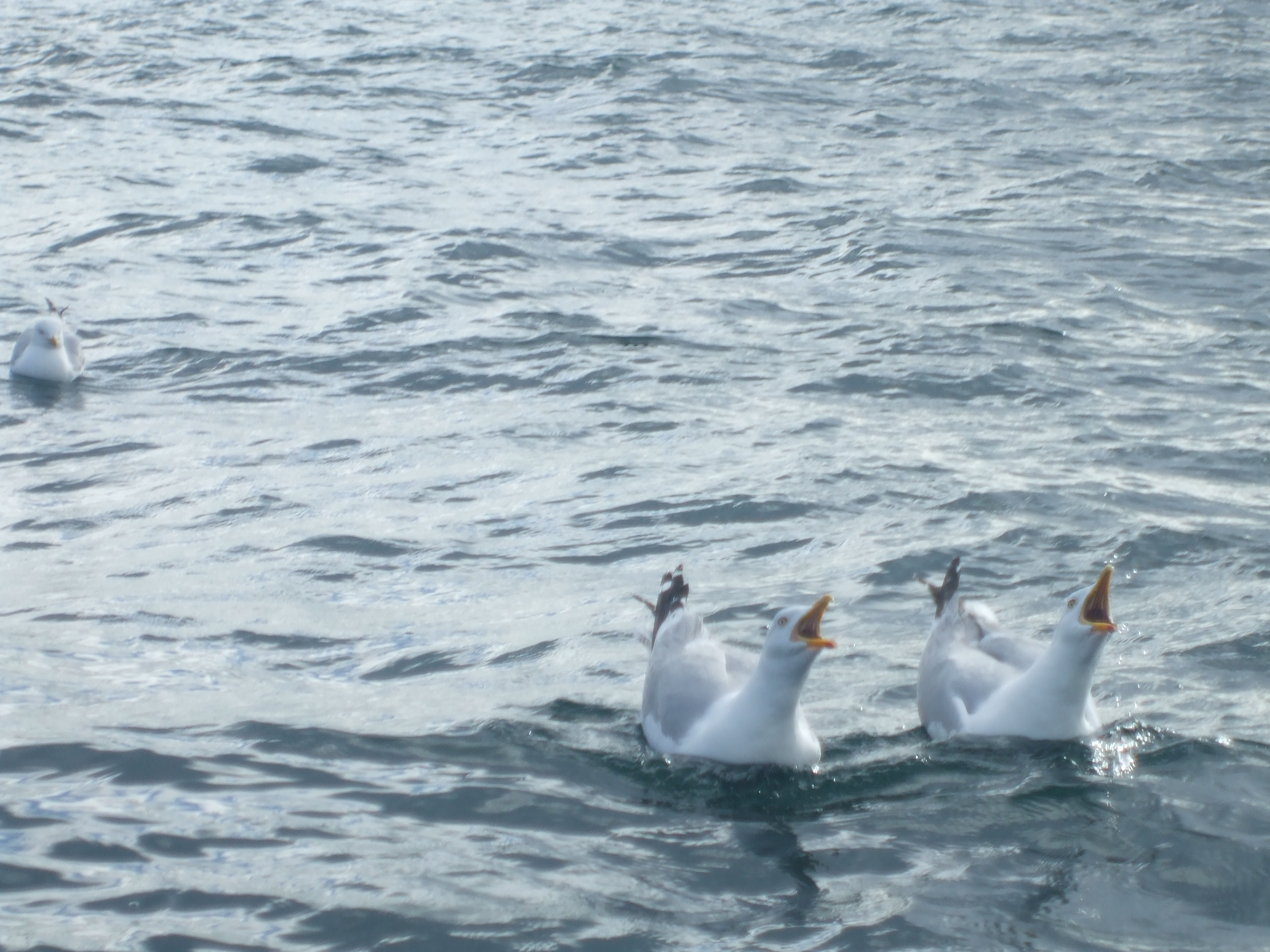
Out fishing: noisy visitors…

…and a hitchhiker!

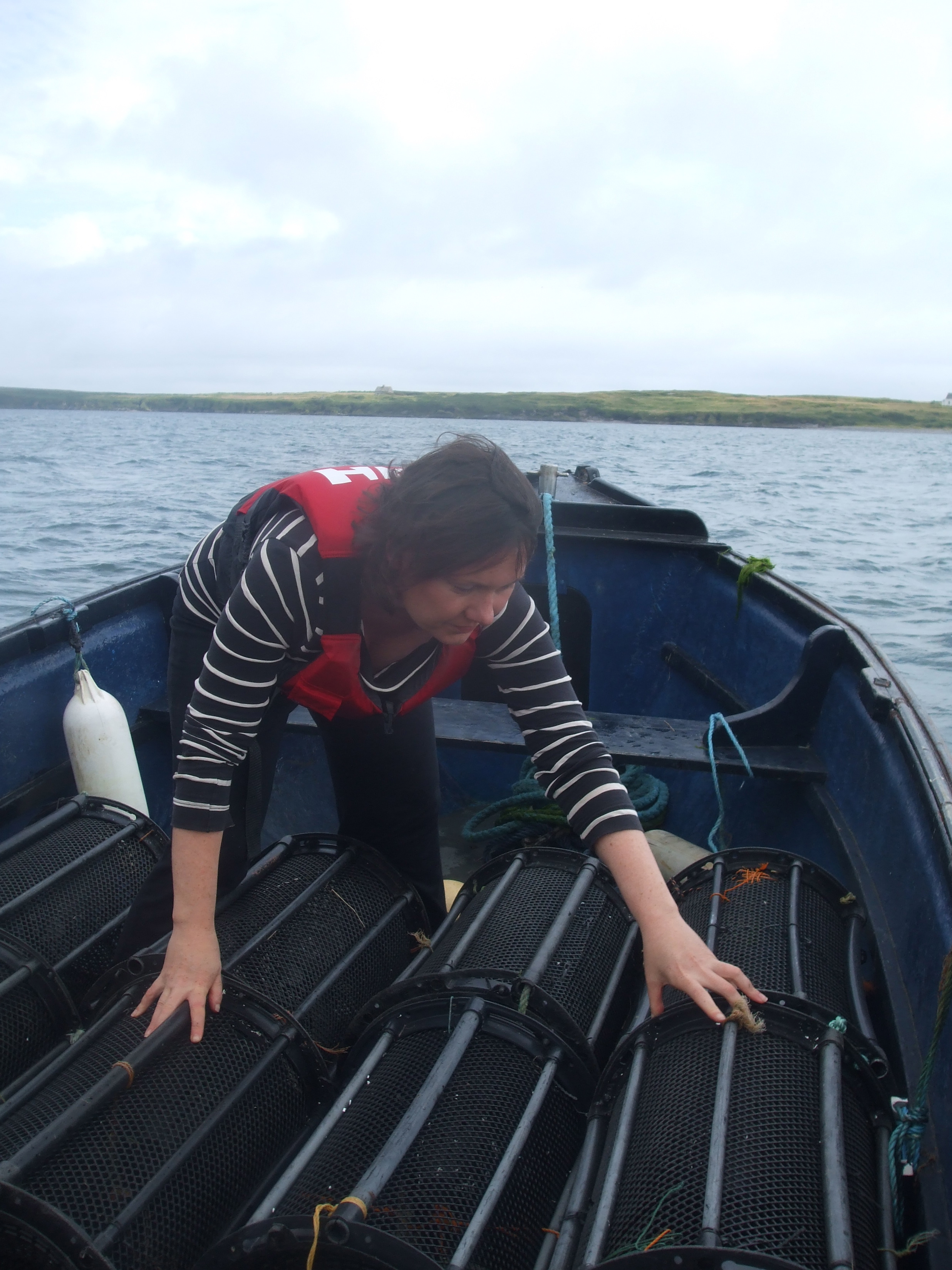
Shooting shrimp pots (we got a haul big enough for three meals)

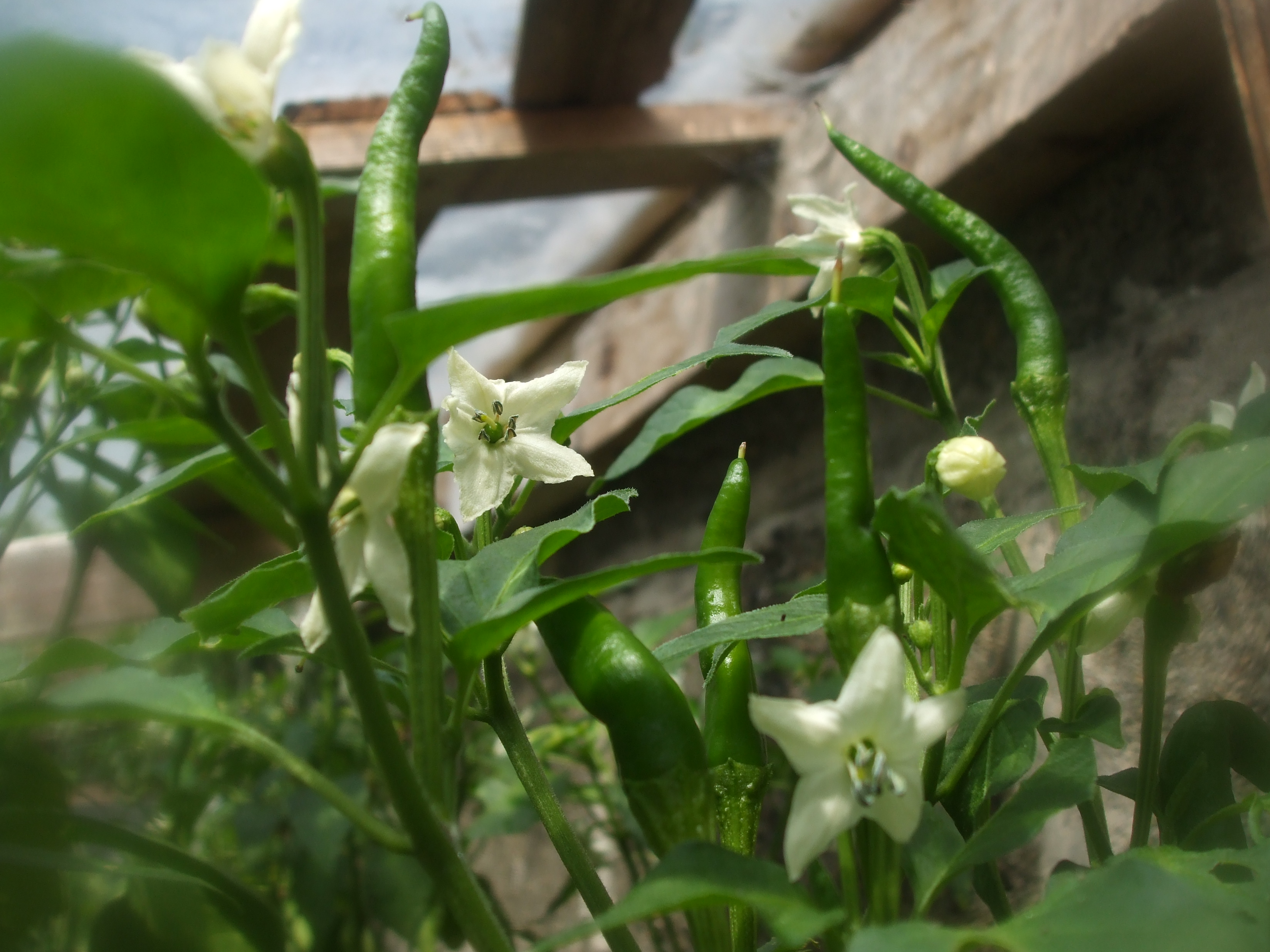
Lots of chillis on their way

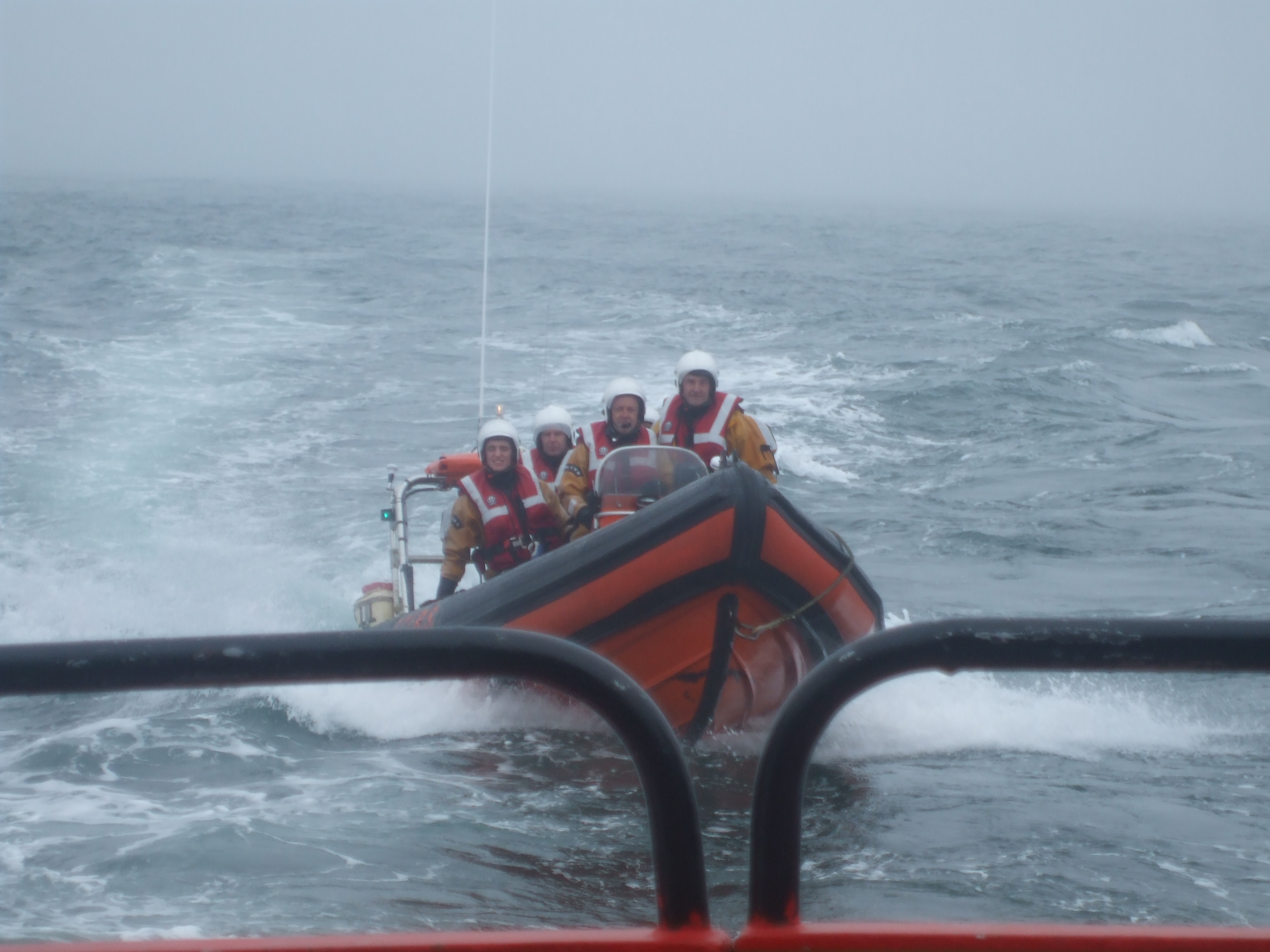
Amazing Inshore Rescue training new volunteers

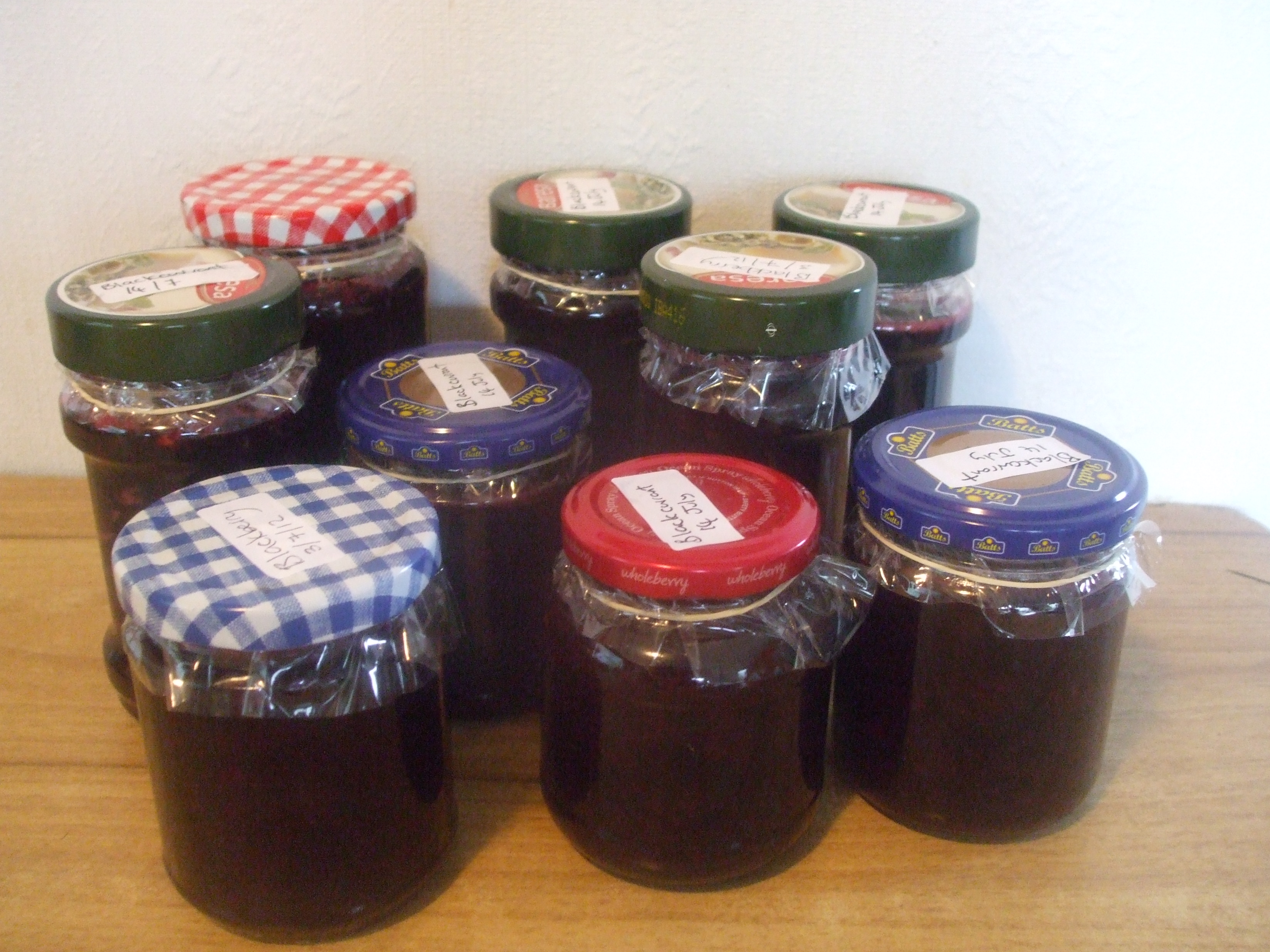
The first batch of blackcurrant jam

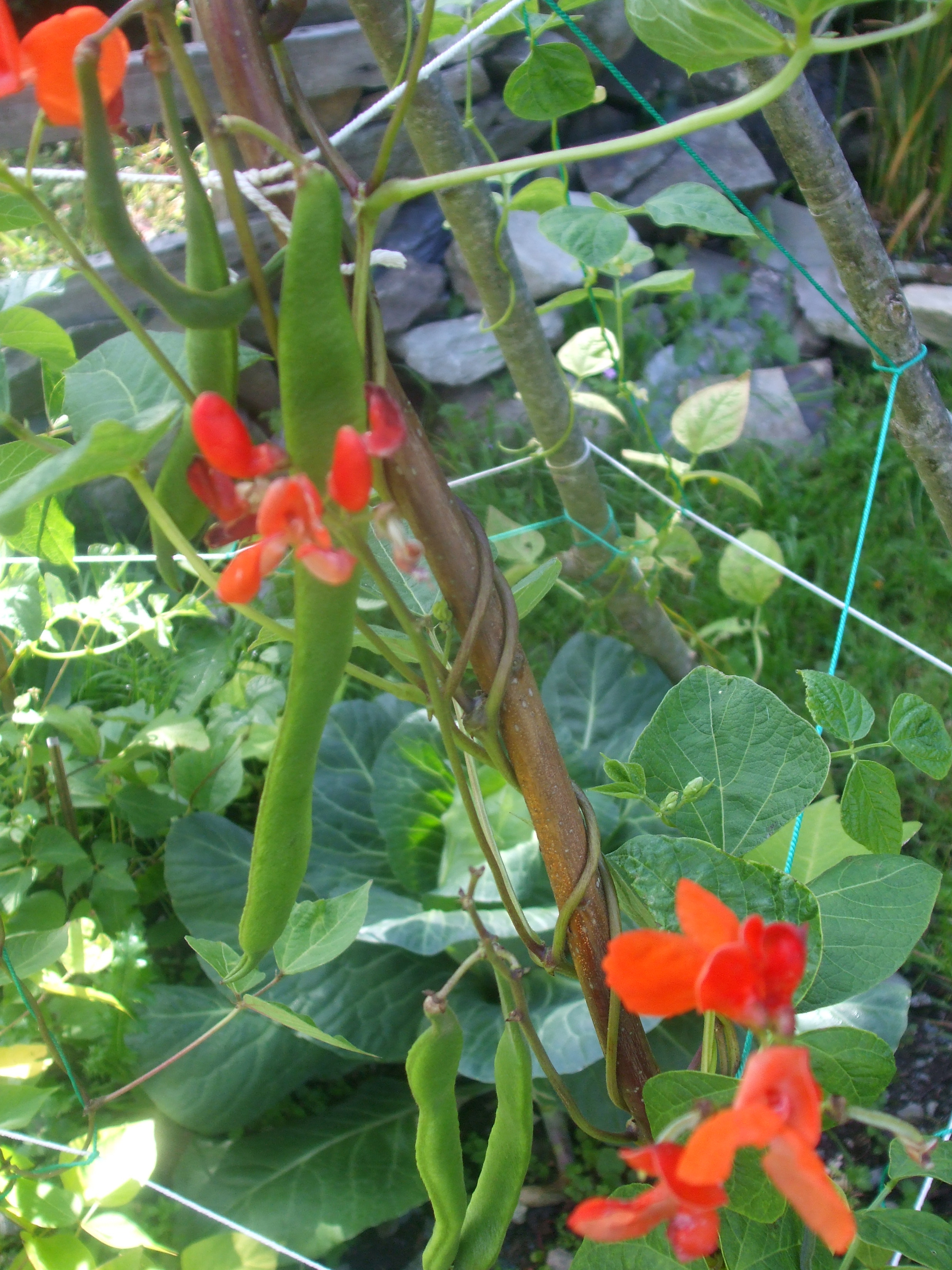
Runner beans doing well

Cape Clear lighthouse in the mist (I’m only a few metres away)

Wild walking ‘paths’, Cape Clear

Heading to the cliff walk in the mist (Cape Clear)

A haunting house – I love the way the tree mimics the roof

Garden roses in bloom

Another spooky walk…

Our first gherkin! (pickling season starts soon)

Festivals, Stations and Jellyfish Swarms

Mackerel skies and horses tails

Moor your boats and lower your sails

These portent-filled skies haven’t been a problem but the mist has, so the boat has been firmly tethered to the pier for the most of June/July. We’ve had a few fishing trips but the shrimp pots are still waiting to be shot and the mackerel has been as scarce as the sea jaunts. However, jellyfish are in abundance, filling the lobster pots and driving the locals mad with their promise of a warm summer that hasn’t yet arrived.

Jellyfish on the shore

On one of our sailing trips it looked like the surface of the sea was bubbling in the distance; on closer inspection, it was a vast swarm of white and purple common jellyfish. In thick layers, they filled a chunk of sea (about 20 square metres) right down to the sea bed – something I’ve only ever seen once during a lagoon visit in Montego Bay many years ago.

As for the mist, it’s slowed the vegetables right down and has left a depressing air over the land. It’s amazing how much you feel the weather here. In a city, you can still go to an art gallery or the cinema, and you can cut through or alongside buildings which offer some shelter from the elements. Here, you’re constantly open to nature’s whims. It’s wellies and woolly hats one minute, sunscreen and caps the next.

A friend of mine has decamped to the village from Dublin for a few months and is amazed at how differently the weather affects her day – and she’s right in the main street. We’re only two miles out but planning is almost impossible; if the weather is fine, you need to get out and tend to the crops or go fishing while you can. It makes life very unpredictable, unsettling at times. And winter when it’s meant to be summer leaves a bizarre taste all round.

Luckily, I decided to take a break from novel writing this month, donating some TLC to my garden and (theoretically) myself. As the cuckoo moved her morning song to 5am, I tried lowering my sails, filling the month with festival cheer and short term projects.

Perfect spot for a live writing event!

At the beginning of June I was at Writers’ Week in Listowel, shaking hands with Michael D. Higgins and chatting to the likes of Patrick deWitt and Germaine Greer. At the end of June, I was writing live stories with two other writers in Kent train station as part of the Midsummer Festival in Cork City. Somewhere in between I was weeding, pruning, side shooting, plant feeding and earthing up drills in an attempt to keep blight away and growth encouraged.

Working on the Ciudades Paralelas installation called Station meant trips to the city every weekend for rehearsals and then two further weekends of performances – a pleasant change during the muddle that is an unpredictable rural summer.

This area is usually known for better weather, but last year’s summer was non existent and this summer is seemingly following suit. Not that I’m complaining. Since visiting my father as a young girl and helping with his garden, living like this is all I’ve ever wanted to do. The visits were during school holidays and nothing extraordinary, but coming from Middlesbrough, an industrial town, they were a slice of heaven in my adolescent life.

I feel lucky every day to live in my own version of paradise, but feeling restless without a big project to grapple, I was pleased to get the chance to be away. They say a change is as good as a rest, but in truth, it’s been tiring. Since February, I’ve stayed in either Galway, Cork, Kerry or Dublin (a day’s travel in most cases) a total of 11 times for work and writing related events. And I’ve somehow written a new book in between as well.

Big (but still green) tomatoes

People think you take it easy when you live in the countryside but I’m finding the opposite to be true. It’s not the stuff that you wouldn’t necessarily do in a city that makes you busier (e.g. chopping firewood, fixing ditches, finding lost cattle, helping elderly bachelors with their farms), it’s the everyday basics. You have to work harder to socialise, to establish yourself in the community, to find work and then maintain a work/life balance.

It was difficult to let go of the novel-writing for the month and in many ways it was more stressful trying to do less. But I guess this is just conditioning. I’ve realised it takes longer than we think to allow ourselves to just be. I’m slowly getting better but I’ve a long way to go.

As we head further into July, the cuckoo has spread her wings and migrated to Africa. Like her, I’m ready to get going again. The sails need to be hoisted so I can focus on my next big project: editing two books simultaneously. I hope the sun arrives, bringing with it an abundant crop and a much-needed surge of energy. And a few mackerel (of the fish, not cloud variety) would be nice!

(Please note, this is a cross post with Krank.ie: an Irish news and current events magazine website.)

From Script to Screen: A Masterclass with Jack Gold

Ever wondered how you take a short story and turn it into a film?

Although I don’t write for screen, I write short stories, and the idea of watching the next step in any creative process intrigues me.

Luckily, I had the chance to attend this outstanding, fully interactive workshop with British film director Jack Gold – and I thought it only fair that I should share some of the key elements for all the short story writers, film makers and film watchers out there.

Jack calling the shots (literally)

The story: Dusky Ruth by A E Coppard

The setting: a church hall, with a crowd of 200+

Equipment: Jack Gold, two local actors (one male, one female), a pipe, a camera man & camera, a stage hand, 2 chairs, 1 entrance door, a lighting technician

The process: The audience was given a printout of the story beforehand to familiarise themselves with the tale. Then, after Jack’s short introduction, it was straight to work.

The section that Jack chose to demonstrate the filmmaking process with (when the man returns to the room and the woman doesn’t respond) over the course of the next four hours was purposely dialogue-free. Encouraging audience participation from the start, Jack asked:

If you don’t have dialogue, how do you get inside the heads of the people watching?

The audience concluded that expression, lighting and mood were the key elements. But what we couldn’t figure out was what made it work. As a writer, I should have realised that editing was the key. Jack explained:

Filming a piece like this is a jigsaw. You film the links in the chain – both big links and tiny links – and then join that chain. Editing is fundamental to storytelling, in whatever medium you’re telling the story.

He went on to discuss and identify the ‘hingepoint’ of the piece – where the action takes off in a different direction – and then demonstrated the critical thinking required of any film maker. The first problem posed:

Where do we place the chairs so that the character can do all the things required of him in a way that’s beneficial to the audience through the camera?

This was much more difficult than you may think; every time we thought we had it covered, we’d realise that there was an action or a response that didn’t fit.

Once the positioning of the props was correct, Jack went on to direct the actors on the spot, questioning the audience throughout and spending the required amount of time to get each action and shot exactly right. Similar to writing a story, the number of takes or ‘redrafts’ was astounding – the pace, mood, position, action, expressions all had to be perfect, along with the camera angles and lighting. Even some of the tiny links – such as the actor pausing in a doorway – had to be shot a total of twenty one times before the take was right.

As well as considerations for plot and action, Jack also talked us through camera tricks (such as contrazoom) and film making techniques that would enhance the film’s overall impact, enabling the film to capture the essence of the written original.

How can we emphasise the strange yet sensual moment when the stranger approaches the seated woman he’s never spoken to, who hasn’t acknowledged him, and undoes her hair clasp?

The conclusion: physical space and pace, physical speed and subtle gestures which are magnified on camera if you zoom in.

One of the most intriguing things highlighted in the session was the treatment of the female character. She didn’t move at any point during the scene. Her sole role was to gaze into (an imaginary) fire without looking up or changing expression. However, as a parallel to silent characters in fiction writing, her presence was of high importance throughout. Her internal dialogue was indicated by lighting, camera movement and zooms and the reaction of the male character, rather than any actual response of her own. As Jack demonstrated, a fast pace and lots of action isn’t always necessary.

You can have all the rhythm in the world, but if you’re not telling the story, there’s no impact, there’s nothing to watch.”

After acting out and shooting the jigsaw pieces, Jack then adjourned the session to put together the pieces so he could demonstrate the editing process. During this session, the audience were shown how certain sections were cut, joined, overlapped, altered and finalised. Of course, this was just a taster. To create a polished full length short film in a few hours would be impossible.

In Jack’s own words; “The first assembly part alone could take months. Every piece has to be exact. Film making is like storytelling; it takes so long because it’s a ceaseless search for perfection.

It may have been just a glimpse of what’s needed to turn a story into a film, but there was certainly lots of information to take in and take away – most of which applied to storytelling in general, not just on film.

Some of Jack Gold’s tips:

  • A director, like a storyteller, needs an eye for detail and to be able to see all elements at once with an overall idea of what is needed from the very beginning.
  • If you’re transforming from script to screen, optical effects replace descriptions – so ignore necessary details from the story.
  • The adjustment of the camera should work with the actor, enhancing interaction, mood and pace.
  • The order you put each shot is the essence of storytelling, the essence of film.
  • Sometimes, what the audience expects next is not what you give them.

Please note: This is just a taster of the four hour session. I’ve transcribed the actual event so if you are working on a project like this and would find more information useful, please let me know.