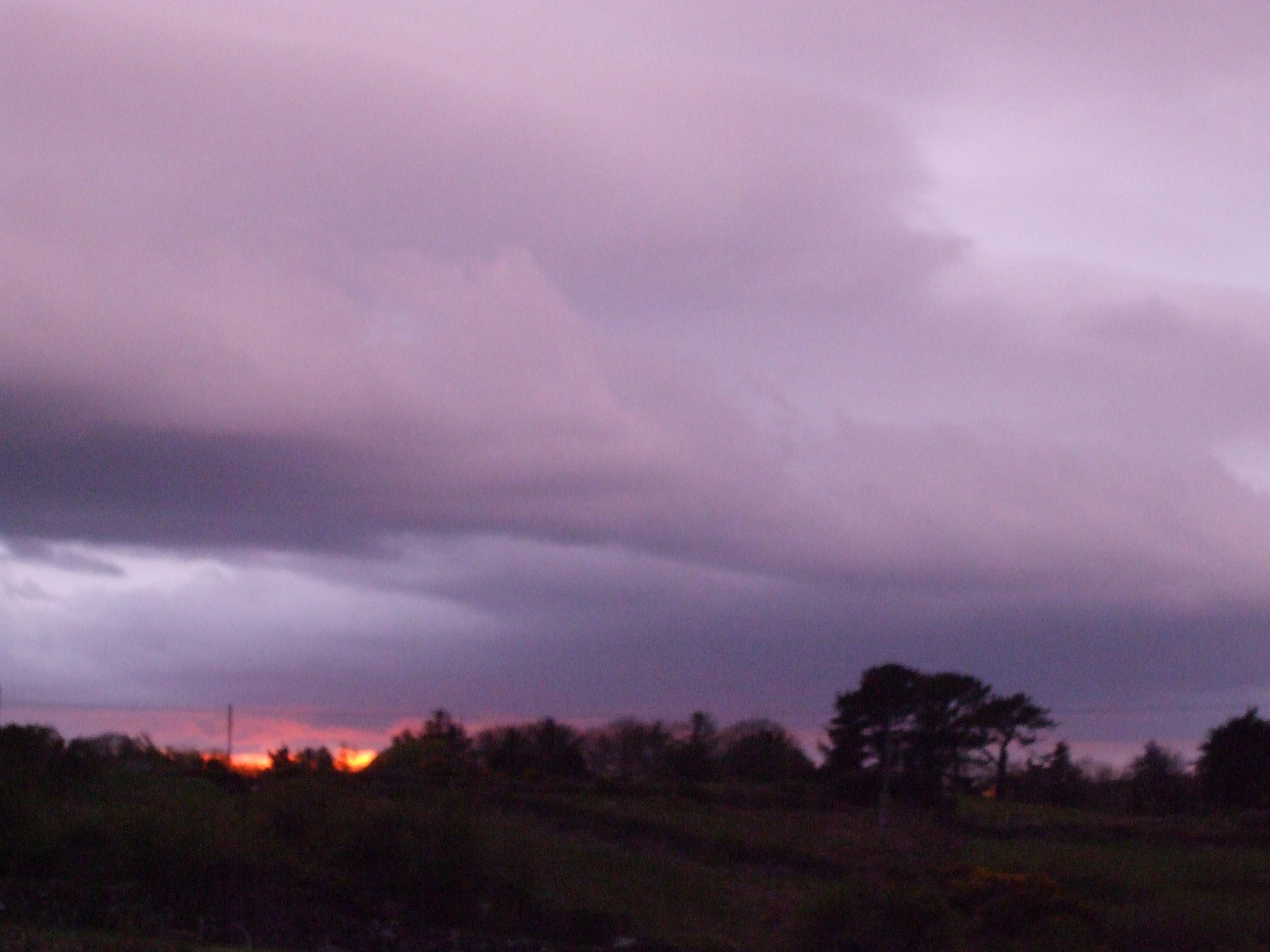
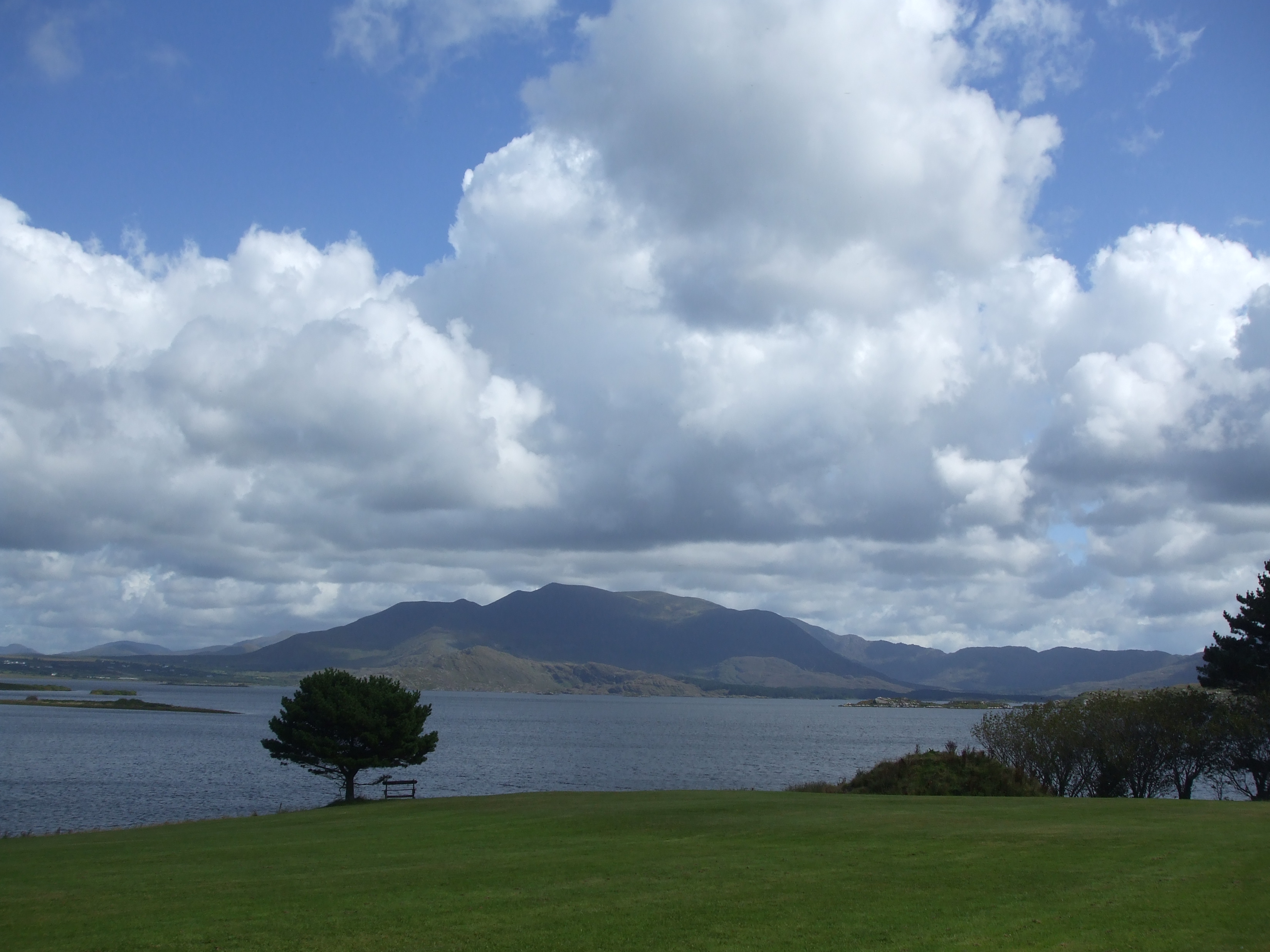
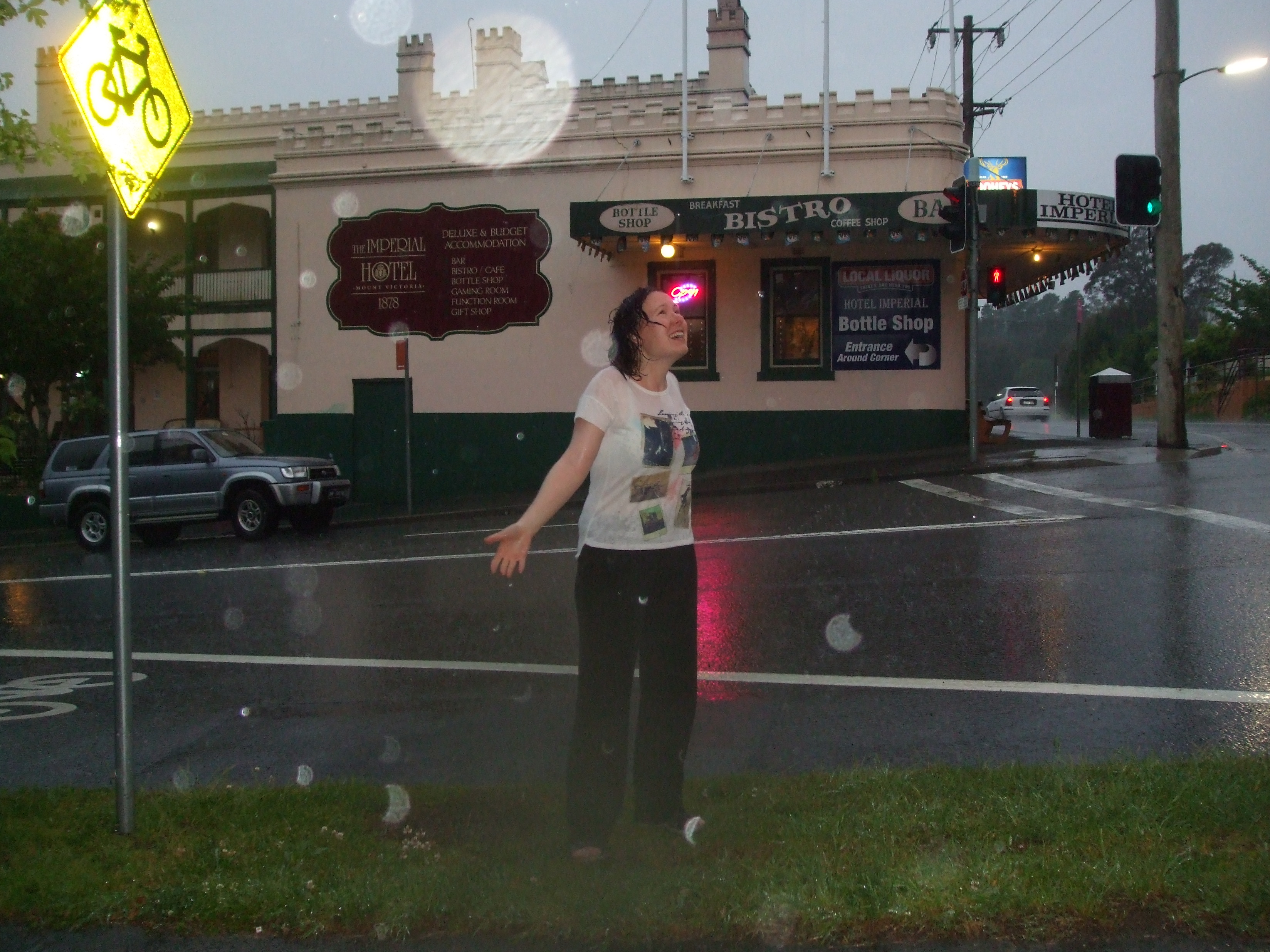
June in photos

Waiting for the tomatoes to ripen

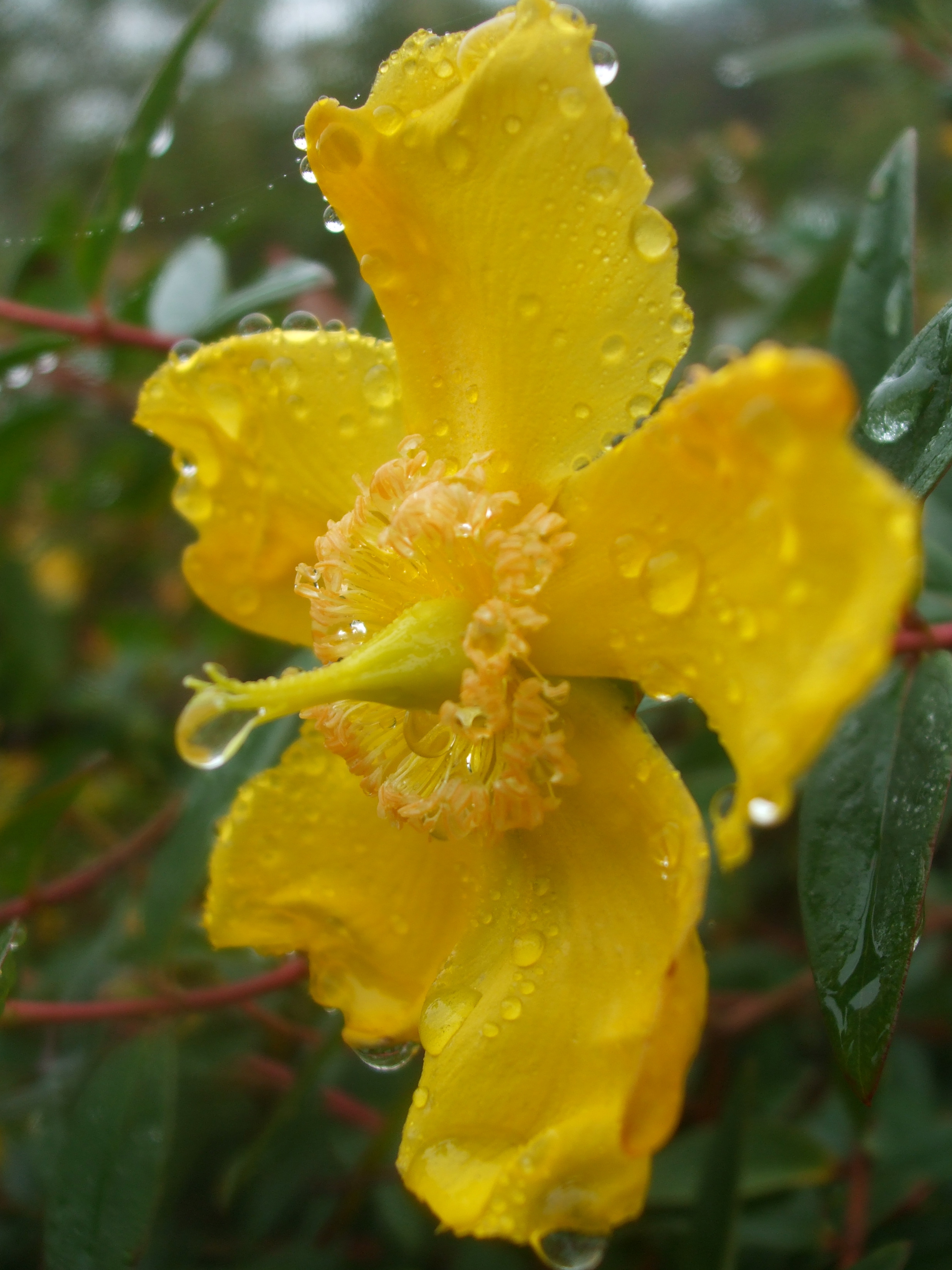
Rain helps flowers bloom

Writers’ Week wore out my shoes!

Cutting grass for silage

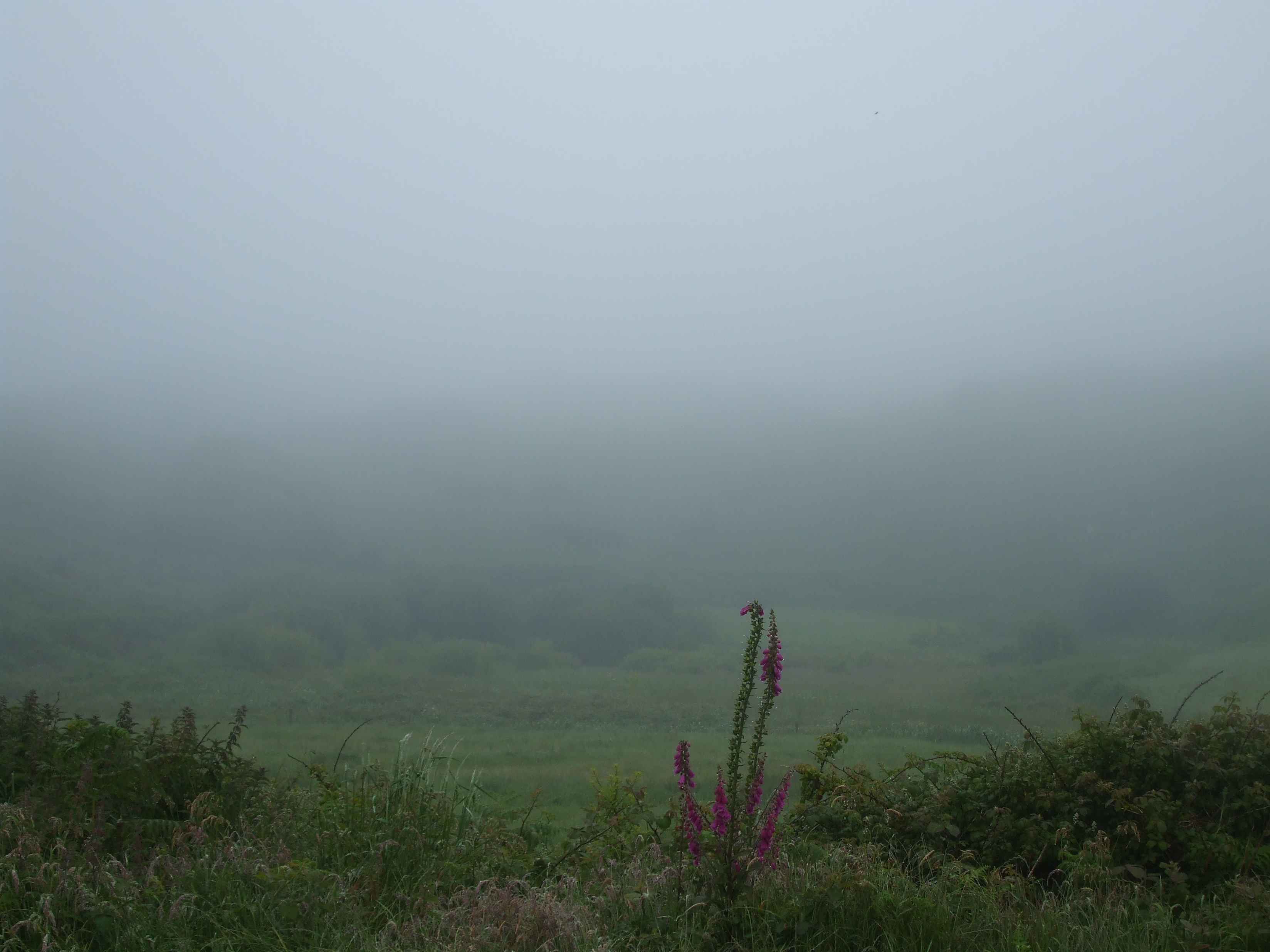
Sea mist covers the land

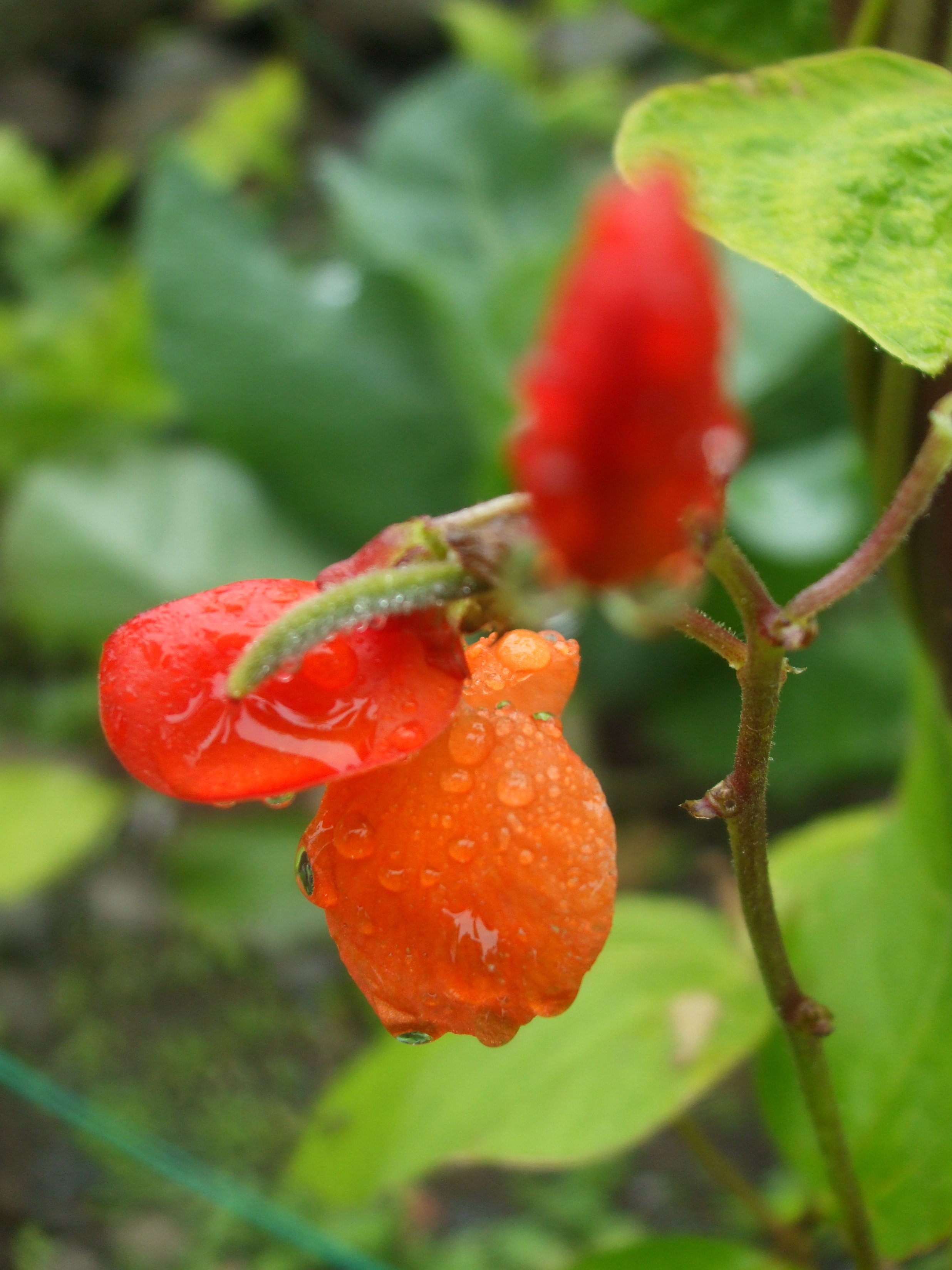
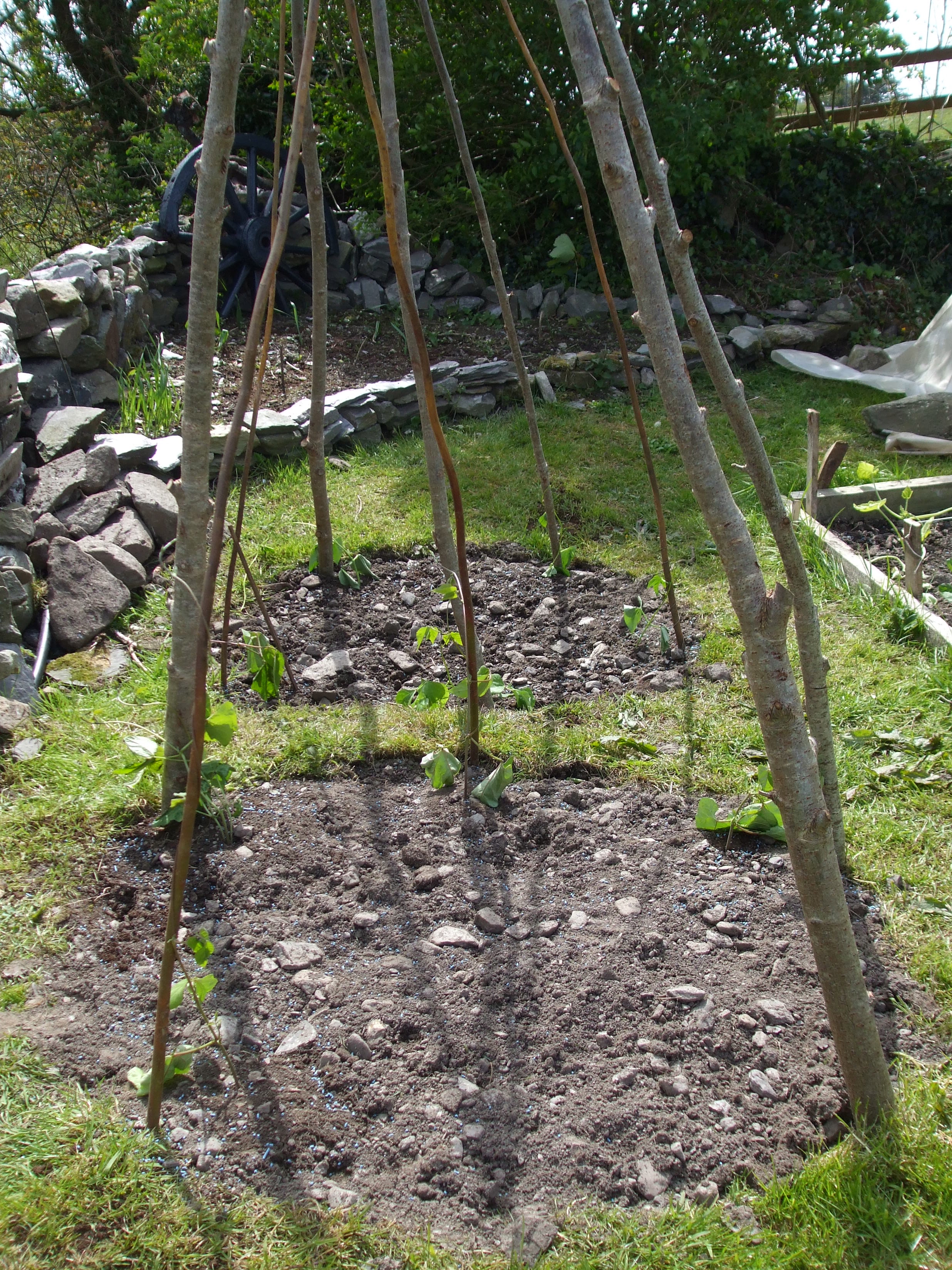
Tiny runner bean, just growing

Crawford Gallery reading room (Cork)

Cow in mud after excess rain

Listowel – home of Writers’ Week

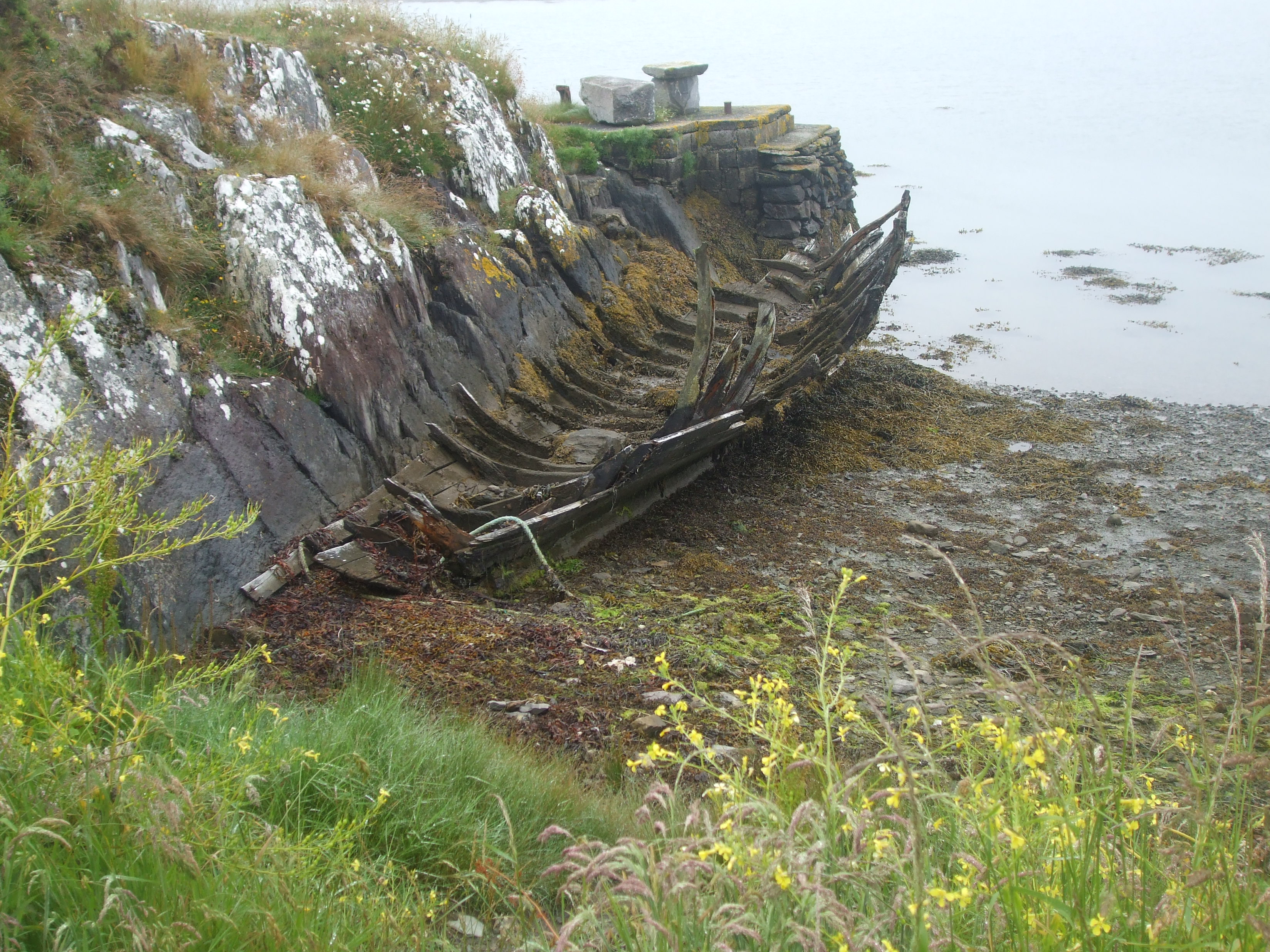
Skeleton of a 1940’s fishing boat

Come, Be the Story…

Station: This is where I’ll be, with two other writers, this Thursday, Friday and Saturday night (6pm-8pm in Kent Station, Cork).

Part of the incredibly internationally acclaimed Ciudades Paralelas series at the Cork Midsummer Festival, Station is a live writing event which focuses on the people within the station, letting them shape, star in and direct stories as they unfold in real time.

Please visit if you can &/or spread the word; we’ve had a great turnout so far with plenty of laughs and surprises.

Hope to see you there!

Shipwrecks, Beans and Bike-Powered Cinemas

April showers bring forth May flowers,
A wet and windy May fills the barns with corn and hay…

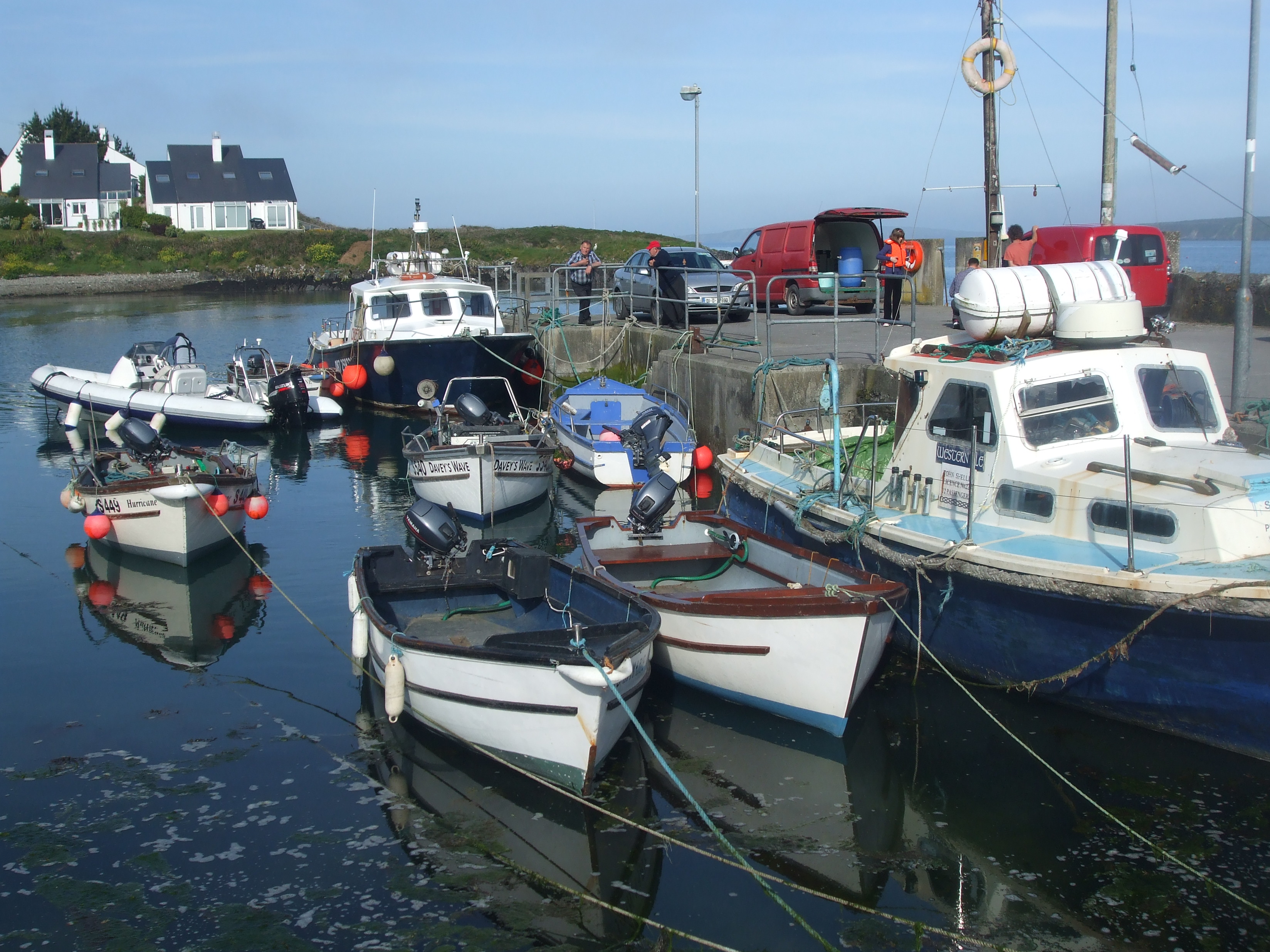
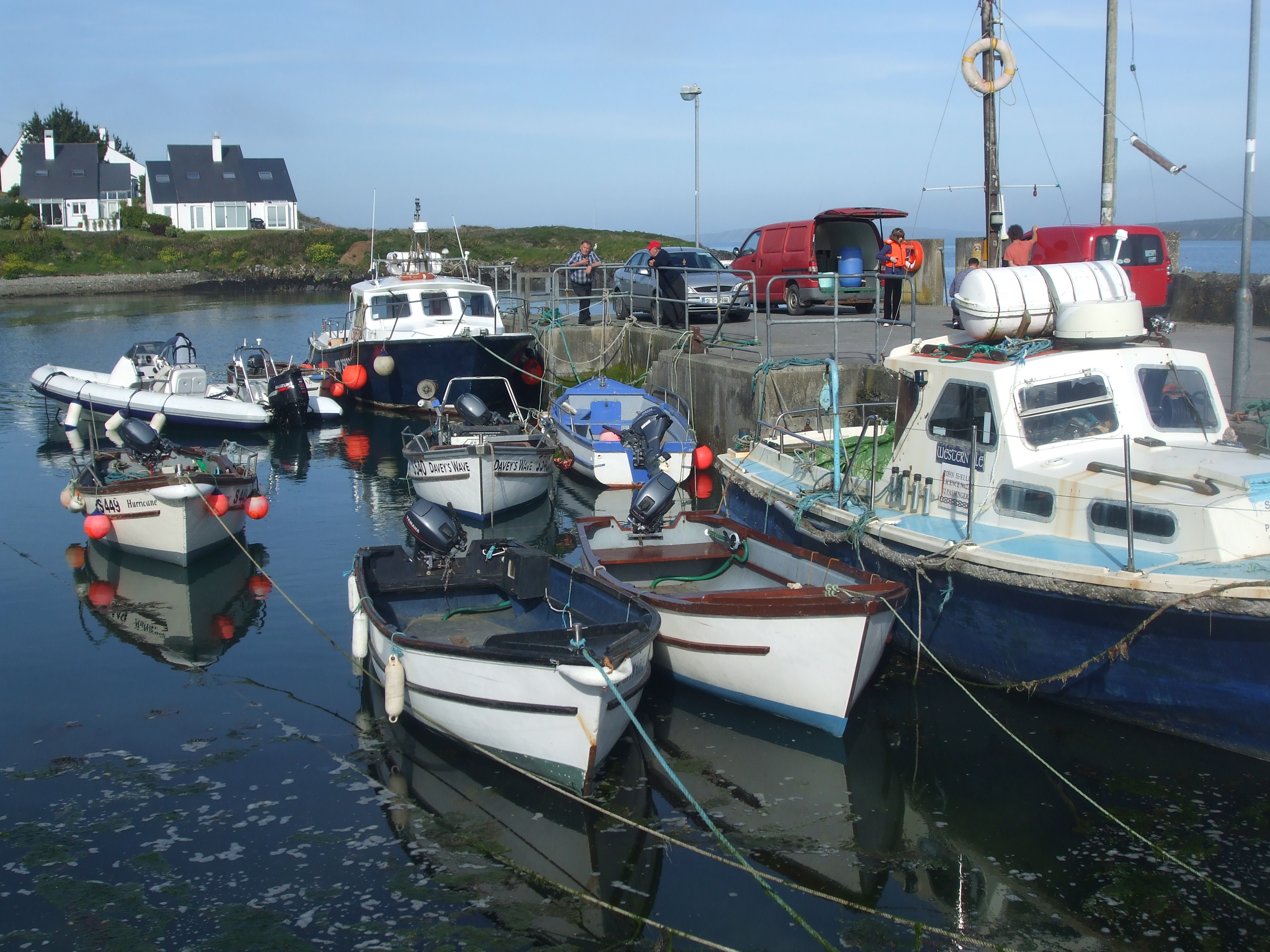
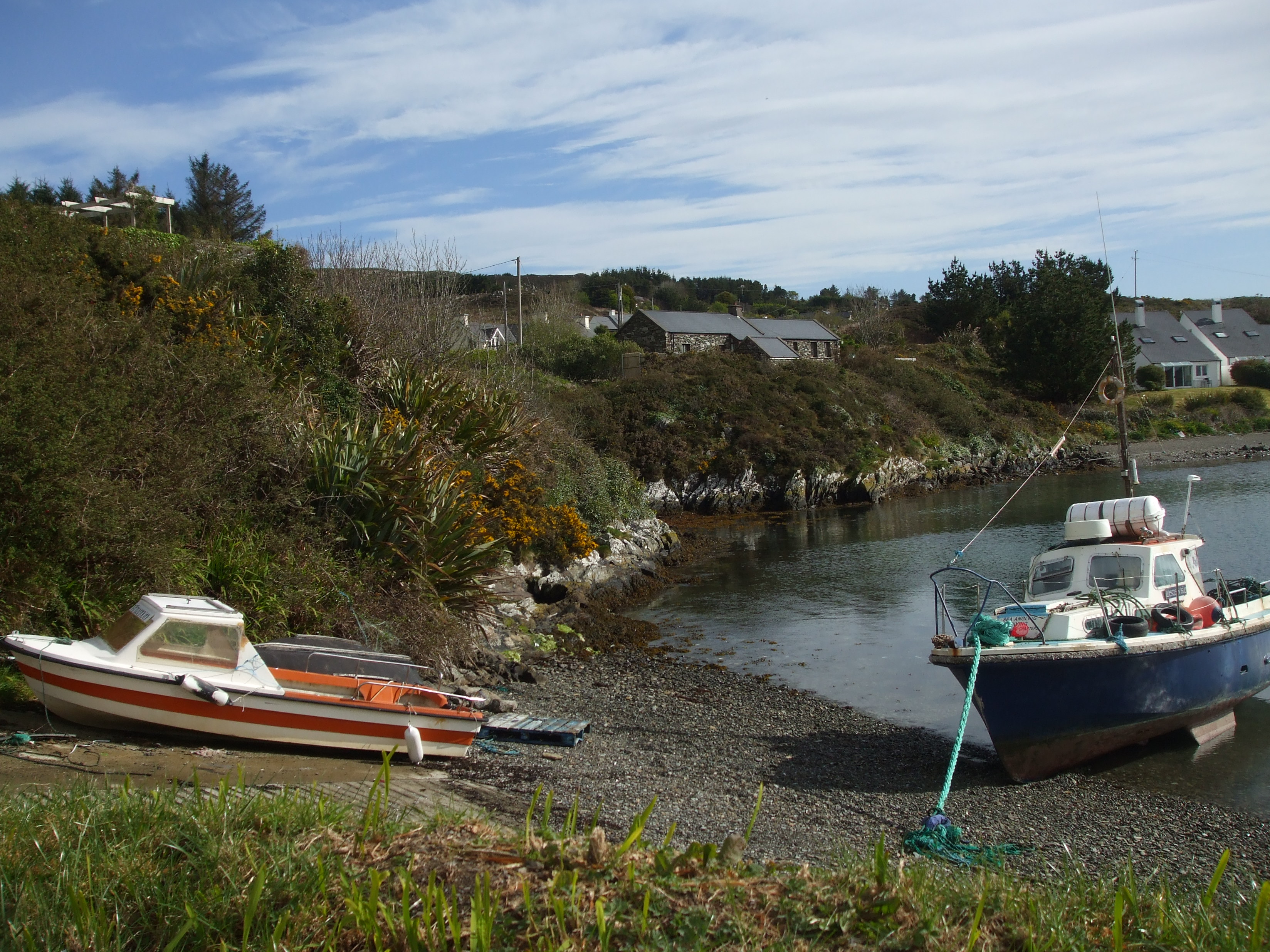
Our punt afloat at the pier

May was a crazy-busy month. We launched our punt (only two trips out and six pollock caught so far; it’s too early for mackerel) and planted out more vegetables. Then there was the local short film festival; Ireland’s only film festival in a village with no cinema. Think bike-powered films, talks with Mike Leigh in the church hall and a visit from the Mexican ambassador and you’ve got an idea of the hotch-potch that you come to expect from rural living. Not forgetting the writerly side, I also managed to complete a new Young Adult book for my agent to read and got long/shortlisted in a few competitions (you can read one of my flash fiction pieces here).

As the local saying above foretold, the plentiful showers of April did bring plenty of May flowers; we got our first lily, our new heather burst into purple blooms and our tomatoes and beans are thriving. We’re particularly delighted with the latter because last year, our tomatoes suffered from blight and so we didn’t get any fruit at all. Tomatoes aren’t too much work; they need feeding every three days (we’re using rose feed thanks to the good advice of the local garden centre) and the side shoots need to be removed regularly to keep the head flowering. You have to make sure they’re not over or under watered and then there’s the tickling (it helps pollinate them apparently). As you can imagine, it’s heartbreaking to spend months tending to crops, only to watch them all fail. Thankfully, everything is going smoothly so far.

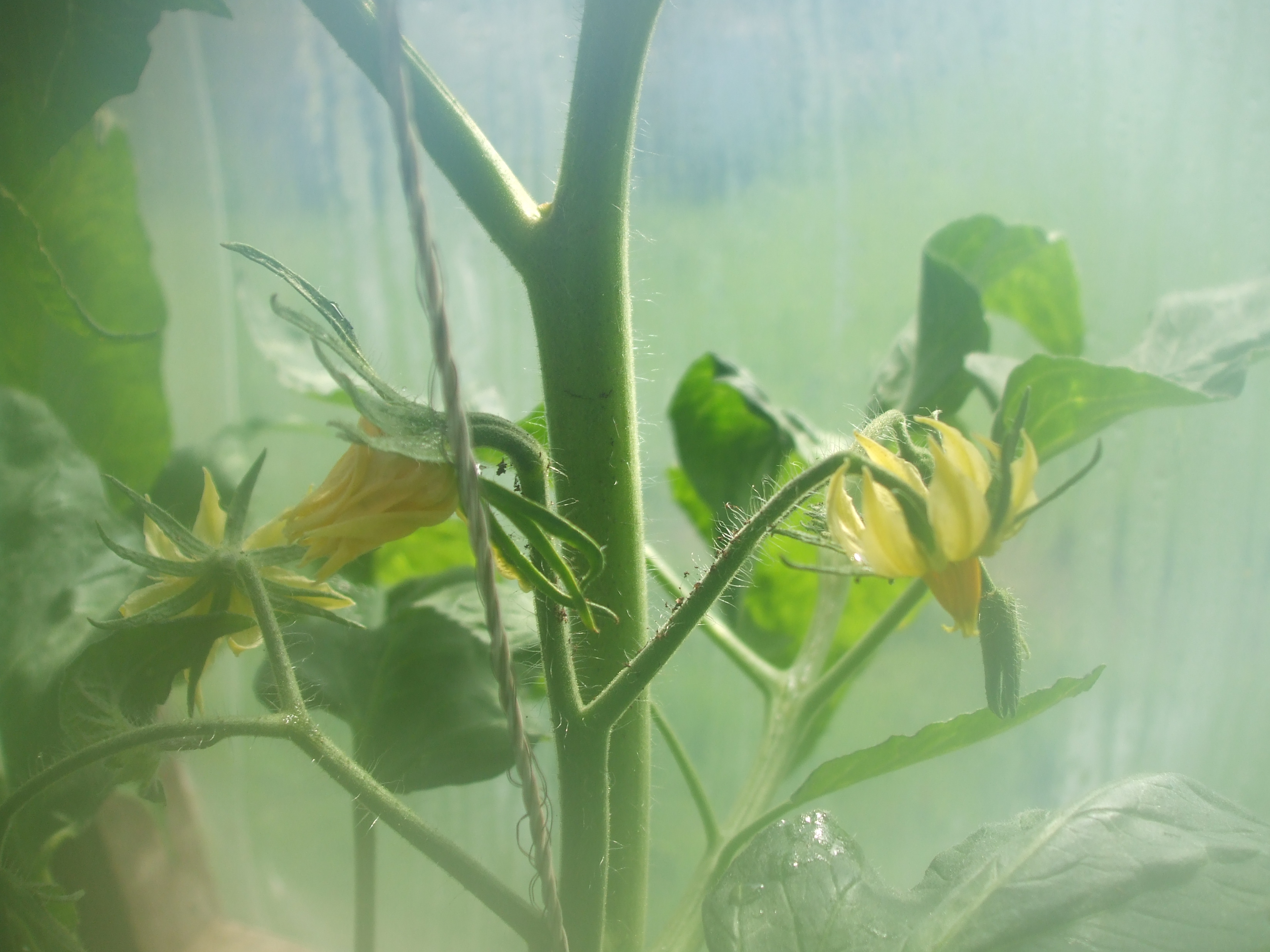
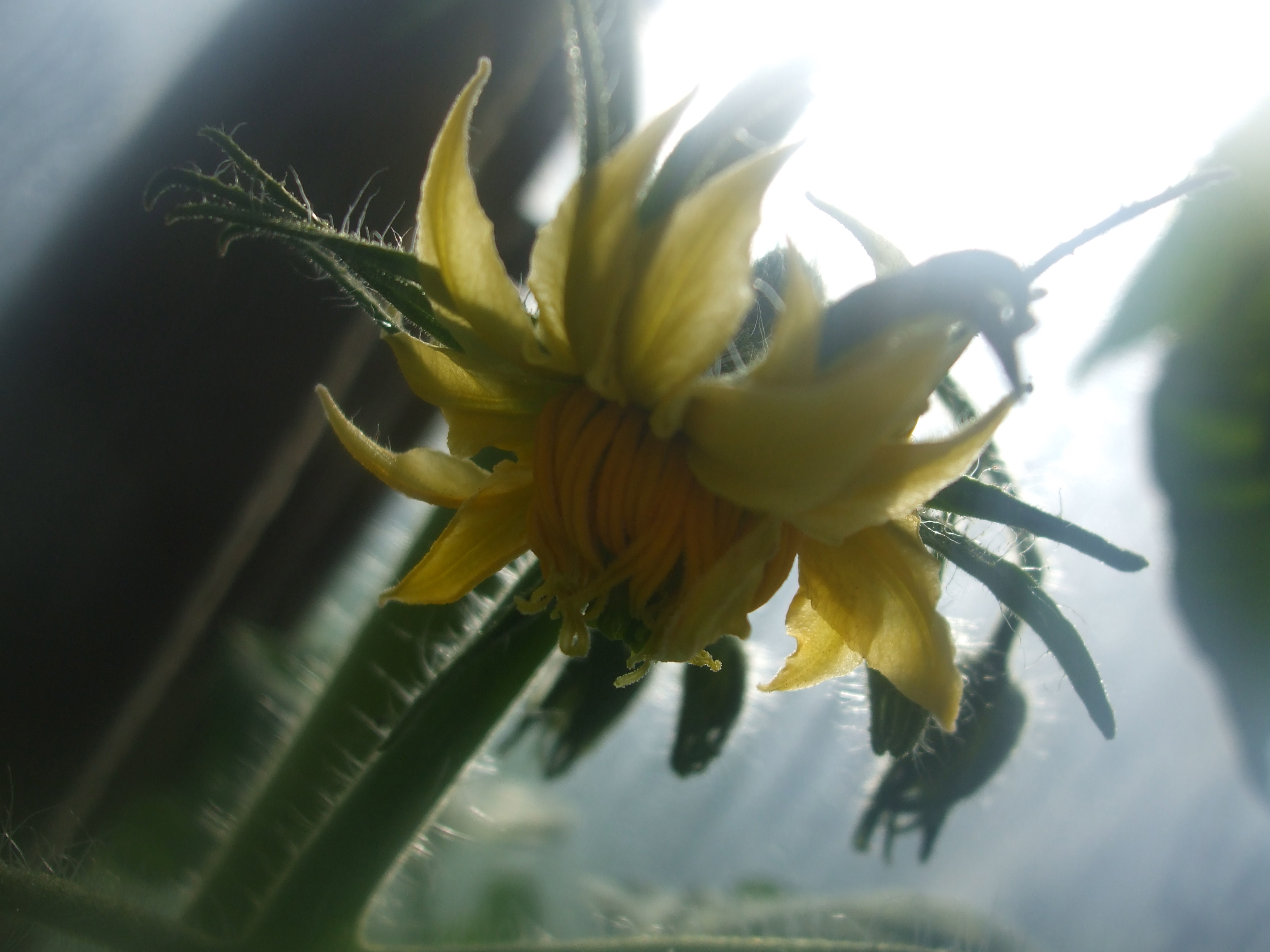
Tomato flowers in the tunnel

Spending so much time in the garden (the weeding alone takes at least an hour a day), I’m amazed to learn how resilient plants actually are. The beans, cabbages, potatoes, beetroot, sprouts, leeks and onions have exploded, despite the lack of sun and continuing winds. The infamous heatwave forgot to reach us; when my Twitter feed was jammed with talk of ice creams and tans, I was struggling to see more than five metres ahead of me while launching a boat. But crops that I thought had died have sprung back into life; and somehow, this makes me feel renewed. I guess I’m experiencing what Mary Carbery described in her 19th century diary:

Isolation means a deeper love and sense not of possession, but of being a part of something essential.” (Jeremy Sandford, Mary Carbery’s West Cork Journal 1898-1901)

Although I’m not living as remotely as many, between the garden, the sea and writing, I’m living a rather isolated life. In fact, weeks can go by where the only other person I see is my husband. Although it’s an amazing way of living, watching nature, being so immersed in it, has also proved frustrating in many ways. Mainly because it shows up your own inadequacies. My biggest inadequacy is time related.

It’s not that I’m bad at managing time; if anything, I’m too good at it. You know that phrase: if you want something doing ask a busy person? Well, that’s me. I fit a ridiculous amount into every day. Which is great for achieving but I’ve discovered it’s not good for the soul. It’s tiring, and often things don’t work out how they’re meant to.

The boat launch highlights my point perfectly. My idea of launching a boat would be: figure out what’s needed, who’s needed, pick a date and time. Total time taken: an hour, max.

Out on the open sea

How it really works is: look out of window, hum and hah about weather conditions, have a cup of tea. Work out the tide times, wander down to the pier to take a look, hum and hah about being right, then back for a cup of tea. When the tide is coming in, return to the pier and sit. Hopefully someone will arrive. As people arrive haphazardly (“Joe might be over in half an hour; let’s wait and see…”), sit and chat about getting the boat in the water. Total time taken: whole day. Time taken to actually launch boat: fifteen minutes.

It’s certainly a lesson in patience, but one I need to learn. If we’d had it my way, launching the boat would have been just another tick off the day’s to-do list. But with my husband taking charge (well, muddling us through), it was an enjoyable experience which included a bit of banter, plenty of laughs and a more relaxed state of mind. Which, as a writer, is very difficult to achieve.

Wherever I go, whatever I do, whomever I talk to, my brain is constantly sourcing information which could trigger a new story idea/character/title/novel. Even when I don’t want it to. Especially when I don’t want it to! The moulding, editing, and shaping takes up so much time, the ideas/inspiration part infiltrates every other minute of my day. Frankly, it’s exhausting. Gardening, fishing boating – which all have a strong sense of belonging and purpose – help me to switch off, but I wonder…is it the same for all creative fields? How do other creative people cope?

In my first post for Krank.ie, I talked about the cuckoo. Well, she’s here: I heard her for the first time in the middle of the month and she hasn’t stopped singing yet. This morning, she was warbling away on the wire above our home. Maybe it’s the excitement of the shipwreck that was found off the coast of Schull, just metres from where we live?

A sunken ship may not seem like a big deal, but being coastal, piracy is ingrained in the local history. Most locals can name the majority of the nearby shipwrecks. People from Long Island used to wave lanterns to confuse passing ships, luring them onto the rocks to loot the ship. There are numerous legends about buried treasure beneath local land. So, of course, another find is a great cause for excitement. The bounty that’s been recovered so far consists of a crate of coconuts from the 1600s and there’s a temporary pause in operations due to lack of funding. But that hasn’t stopped people’s curiosity. Isn’t that wonderful?

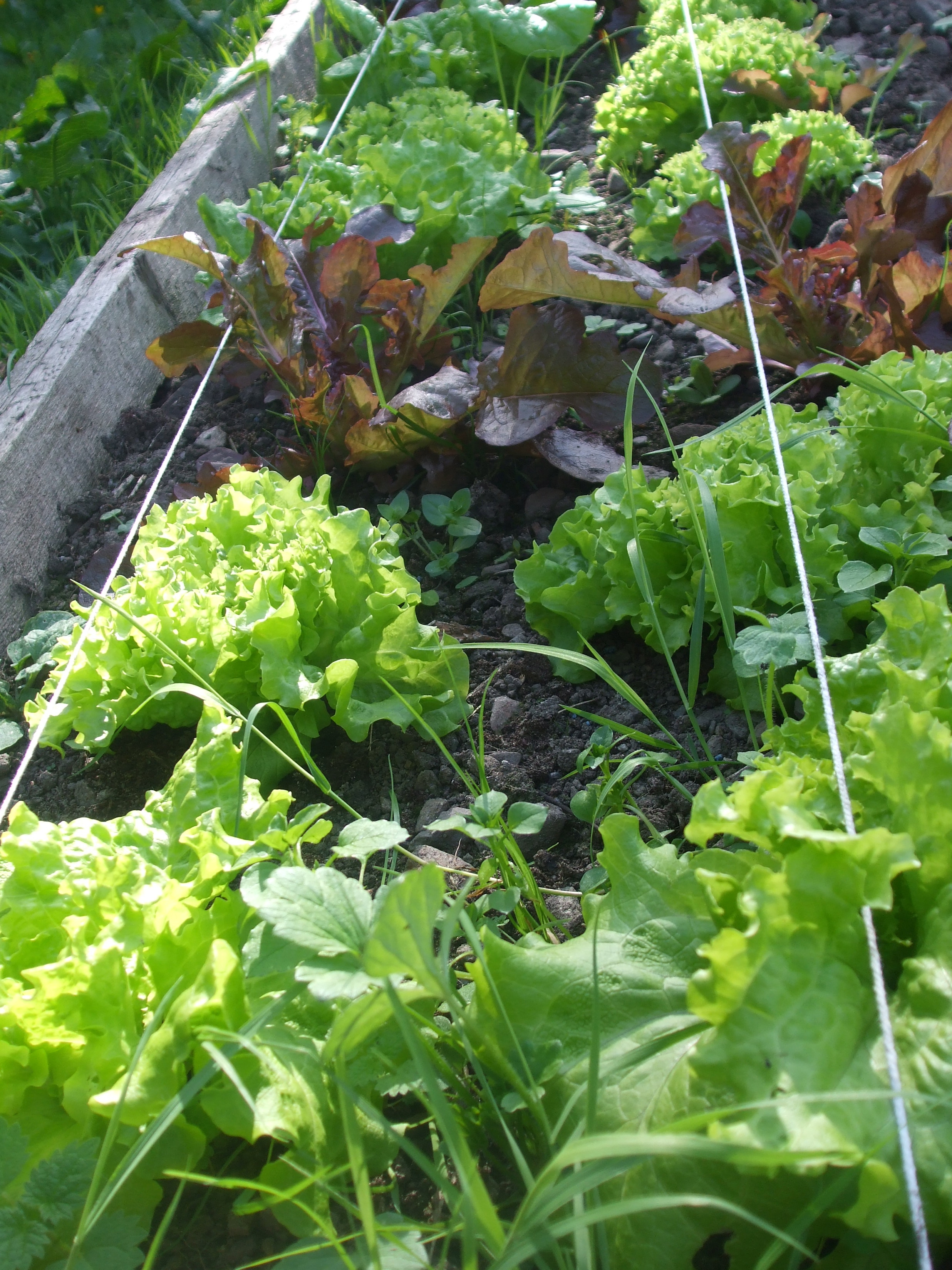
Lettuce grown from seed

I love the fact that when something happens in a small community, everyone talks about it. In a city, you can often miss what’s going on right under your nose. When people talk in a rural setting, you not only hear the facts, you also hear the legends growing. Each version of the story alters a little and the ideas flourish. I mean that as fact, not a slight. It’s a beautiful part of the ingrained storytelling that still exists across Ireland. I feel so lucky to be here when something like this has happened; you feel almost transported back to the times of oral tradition.

As I’ve said before, rural living is not for everyone. But in a time of such uncertainty and economic distress, there’s worse things you could do than spend time amongst trees, vegetables and the sea to balance perspectives. For me, May has been a month of growing in so many ways. As for the corn and hay, we’ll have to wait and see. You can’t hurry nature.

(Note: This post was originally written for and published by Krank.ie – an excellent Irish news and current events magazine website. Take a peek at krank.ie here!)

Treasure Maps and Trowels: X Marks the Spot

Twenty-Fifth of the Fifth, 2010. Our iconic day.

It went something like this… Clamber into the punt, whizz around West Cork’s beautiful Goat Island and whistle for the goats, get up close to some wild seals, watch the gannets dive, circle Long Island and stop to catch a mackerel. Head to Long Island pier, visit one of the Islanders for tea and get given a cabbage three times the size of my head. Carry the cabbage the length of the island to Westerland strand, rescue some stranded jellyfish and barbecue the mackerel. The End.
Long Island Pier

Or so we thought…

The next day, I headed back to Dublin and my friend Mick (now my husband) stayed in West Cork. Unknown to us, that legendary day was just the beginning and Long Island was about to become more special to us than we’d ever hoped.

In the early 1900’s, Long Island had a population of at least two hundred. But, like the corn crake, the numbers dwindled, and by the 1980’s, the population had depleted to about thirty. Mick remembers the ferry carting several children across Long Island Sound every morning for school. He talks of the days when the cattle were swum across to the mainland for market, of the time the island got its first donkey.

Those days are long gone; now there are no children on the island, the cattle don’t swim, and only three people inhabit the island year-round. But like the corn crake, the spirit of the island prevails through stories old and new.

The lady on the island that we visit is a legend; in her eightieth year, she still carries hay bales and digs up cabbages three times the size of your head, like the one she gave me during our visit. It’s characters like her – and my husband – that maintain the island’s spirit. Stories about a place keep it alive; and hopefully our own story will add to that.

Long Island Sound

One year after our first boat trip together on 25th May 2010, we decided to recreate our symbolic day, but the terrible weather and wild seas prevented any boat trips until June 11th.

As I got ready to go, Mick turned up with a huge bag, stuffed to the brim with goodness knows what and with several sticks poking out of the top. He never ceases to amaze me so I expected an ad-hoc camping trip or a quickly assembled home-made barbecue – what I wasn’t expecting was for us to reach a certain spot on the island, and for him to ditch me…

“Wait here and I’ll come back in a few minutes,” he said.

Luckily, being a writer, I always have a notebook to hand; and once I start concentrating, I don’t notice the time. Which was a good job seeing as he didn’t return for an hour and a half! Reappearing he handed me a rusty trowel (of all things) and pointed to Westerland Strand.

“Go on, get digging!”

That’s when I noticed huge arrows drawn on the sand. Clambering over rocks and around driftwood, I found a bottle sticking out of some pebbles. In it, was a hand-drawn treasure map which I began to follow. I’m terrible with directions so he stayed close behind, calling “you’re going the wrong way” at optimum times. After a while, I found a stick poking out of the sand and – as the map directed – started digging. Buried twelve inches down was a bottle containing a letter; the label said: ‘Don’t read me yet’.

Over the course of the next hour, I found two more sticks leading to two more bottles. After the third bottle was retrieved, I was finally allowed to sit and read the beautifully written letter inside the first bottle (I later found out that it had taken a month to write). Like any perfect love letter, it said many touching things about me, our relationship and our trips to Long Island. It finished with: P.S. One more thing… X marks the spot!
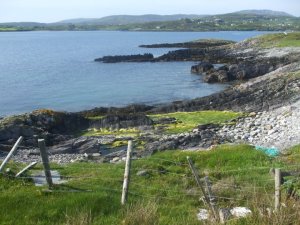
Long Island

Having no navigational ability, and my guide having disappeared from view, it took a while for me to locate the giant X, realising as I did that that was what the sticks poking out of the bag were for!

As for the treasure hunt, I was still none the wiser. You see, this man is a rogue and I always fall for his tricks. I was sure he had me digging for a potato!  But it was a good game so I played along.

After another ten minutes of digging with a rusty trowel, without any potatoes in sight, I needed some help.

“I can’t find anything,” I called out, hoping the words would reach.

“Dig deeper,” came the reply from behind a boulder.

Wondering why my partner was cowering behind a giant rock, I continued my quest. Still no potato.

“I can’t find it.”

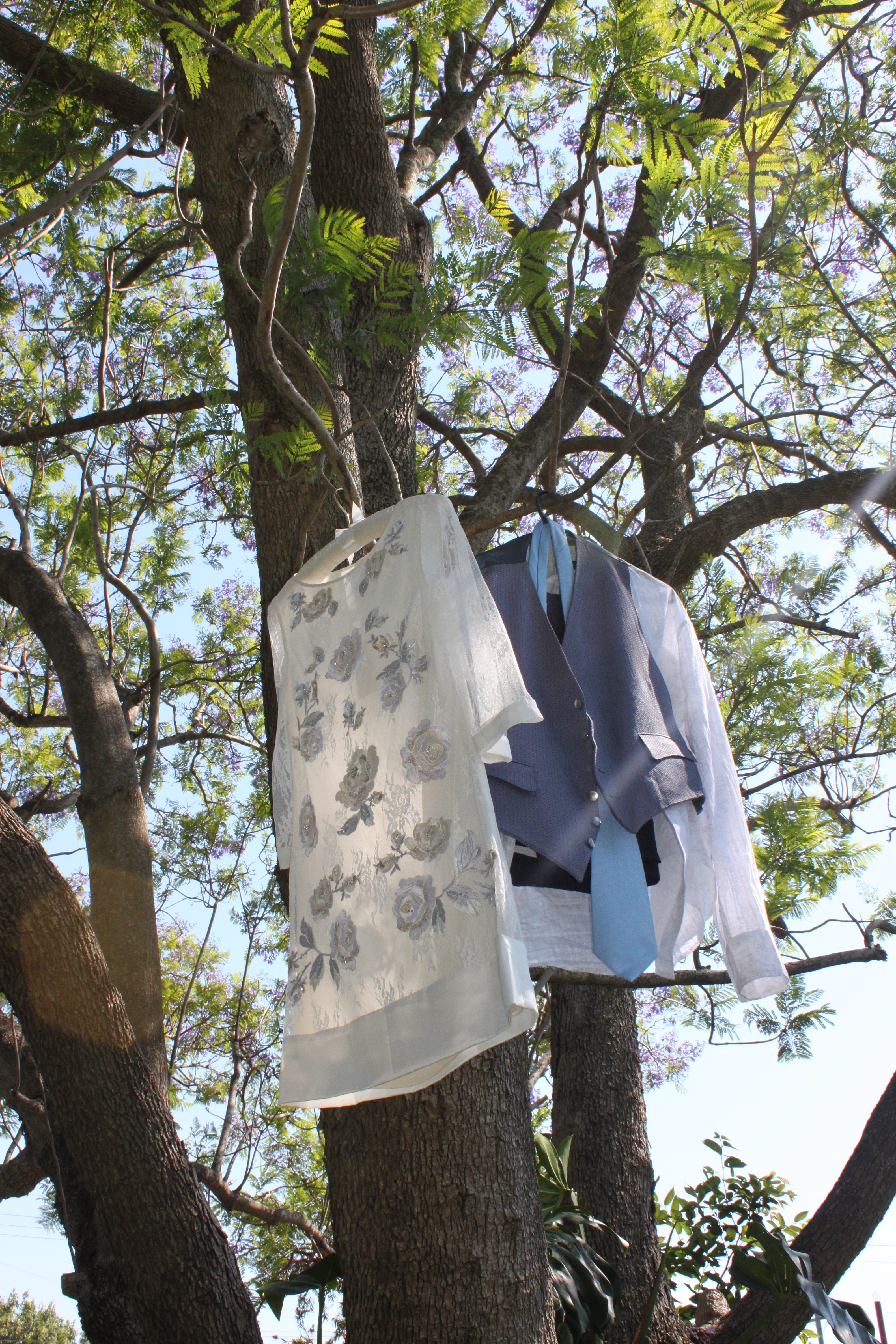
Wedding clothes & jacaranda tree

Mick’s head peeped out for an instant, then disappeared again:“Dig wider.”

Almost half a metre down, my face red from the effort, I found a small box. Inside, it held some tiny shells and a note: ‘Will you marry me?’

As I ran to my future husband, my face collided with a fistful of roots, covered in sand. As he’d heard me running over, he’d reached out and grabbed a bunch of sea pinks. Wrestling sand out of my contact lenses, he apologised;

“I forgot to get flowers! I can’t believe I didn’t make the effort.”

The effort was certainly above and beyond anything I could have ever expected. We got married under a jacaranda tree in Australia six months later. No sand, no trowels; but I did push him around in a wheelbarrow.

The rest is history. Long Island history.

(This autobiographical story was originally posted on Writing.ie in Monday Miscellany)

May in Photos

We’ve found shrews…but so did the kittens. Rescue missions in place!

Our mini veg garden is growing (onions, lettuce, courgettes, runner beans, French beans, corn, leeks, sprouts)

The tunnel is pretty impressive too…

…with good strong flowers on our tomatoes

We launched our punt (& had a few spins)

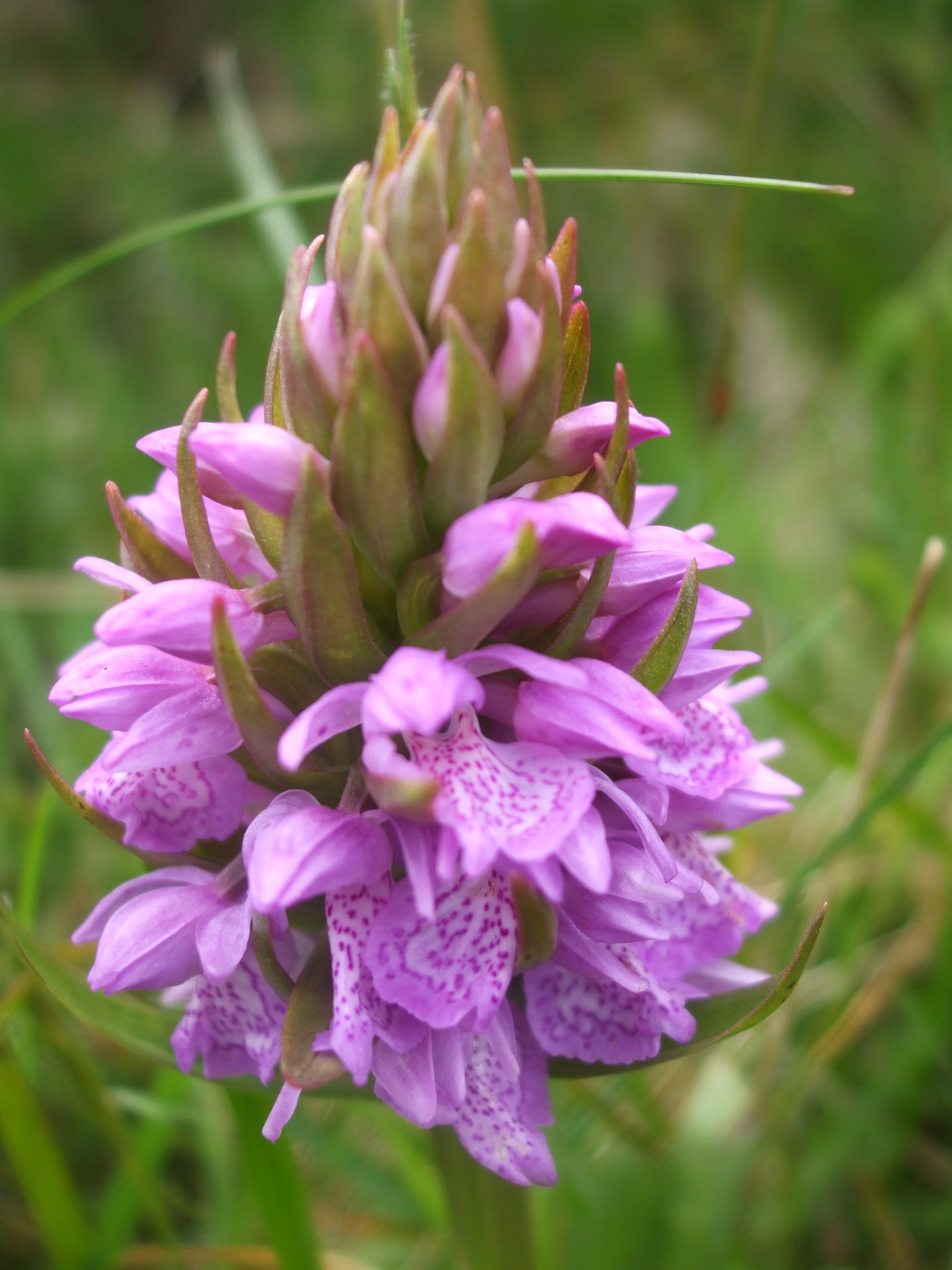
Spotted orchids on Long Island (West Cork)

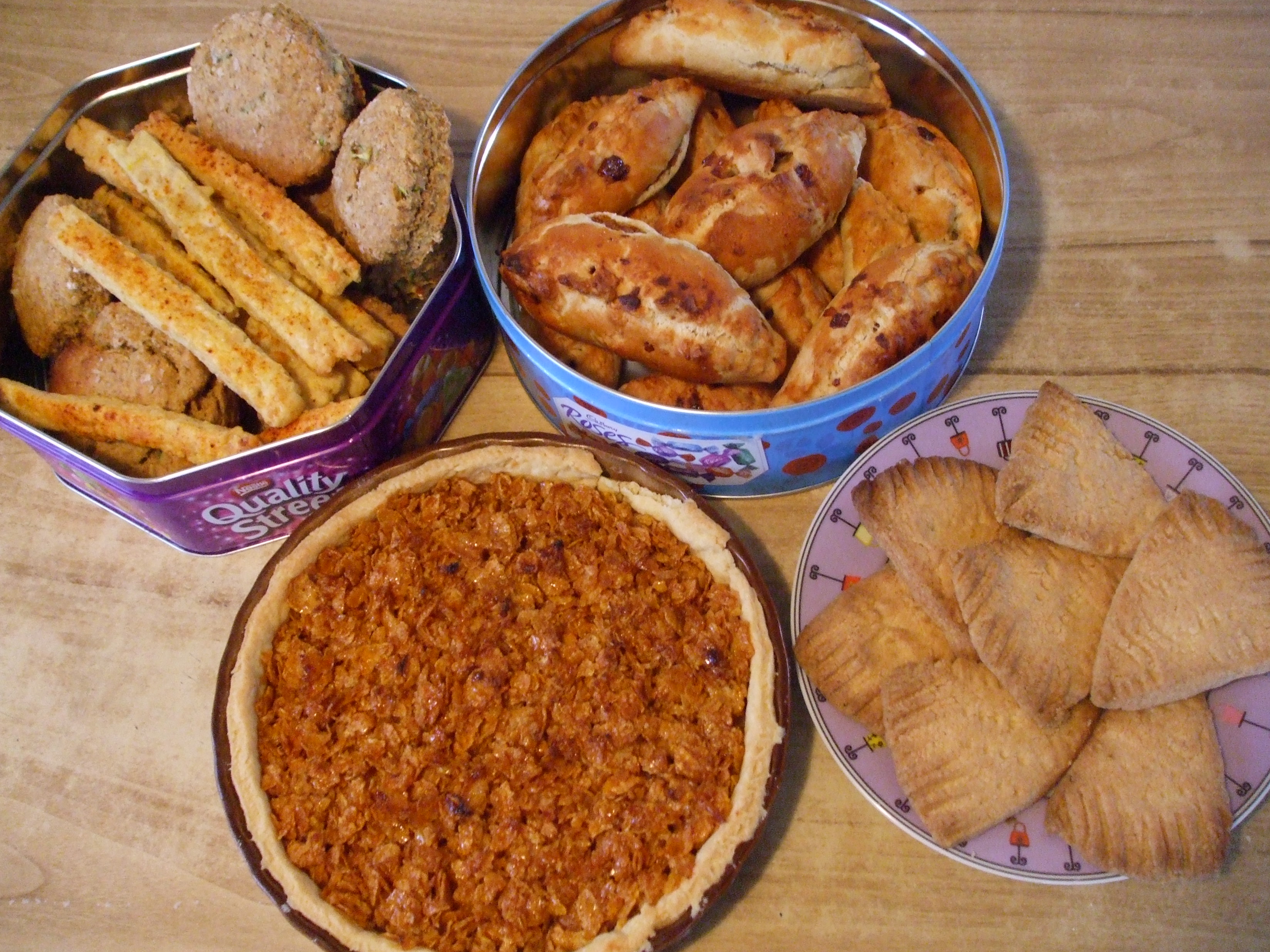
Baking (for pleasure and book research)

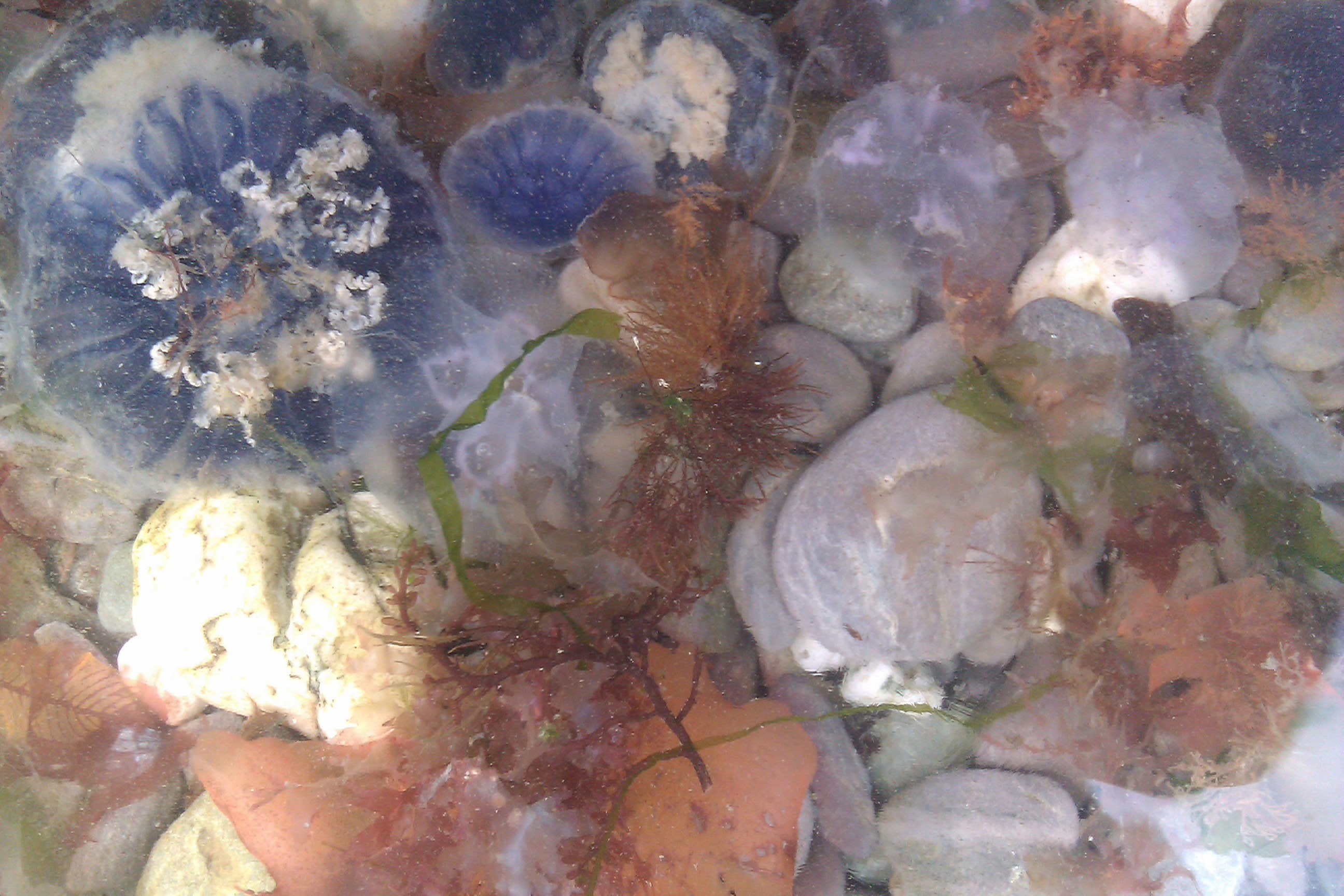
Three types of jellyfish spotted

Picnic time!

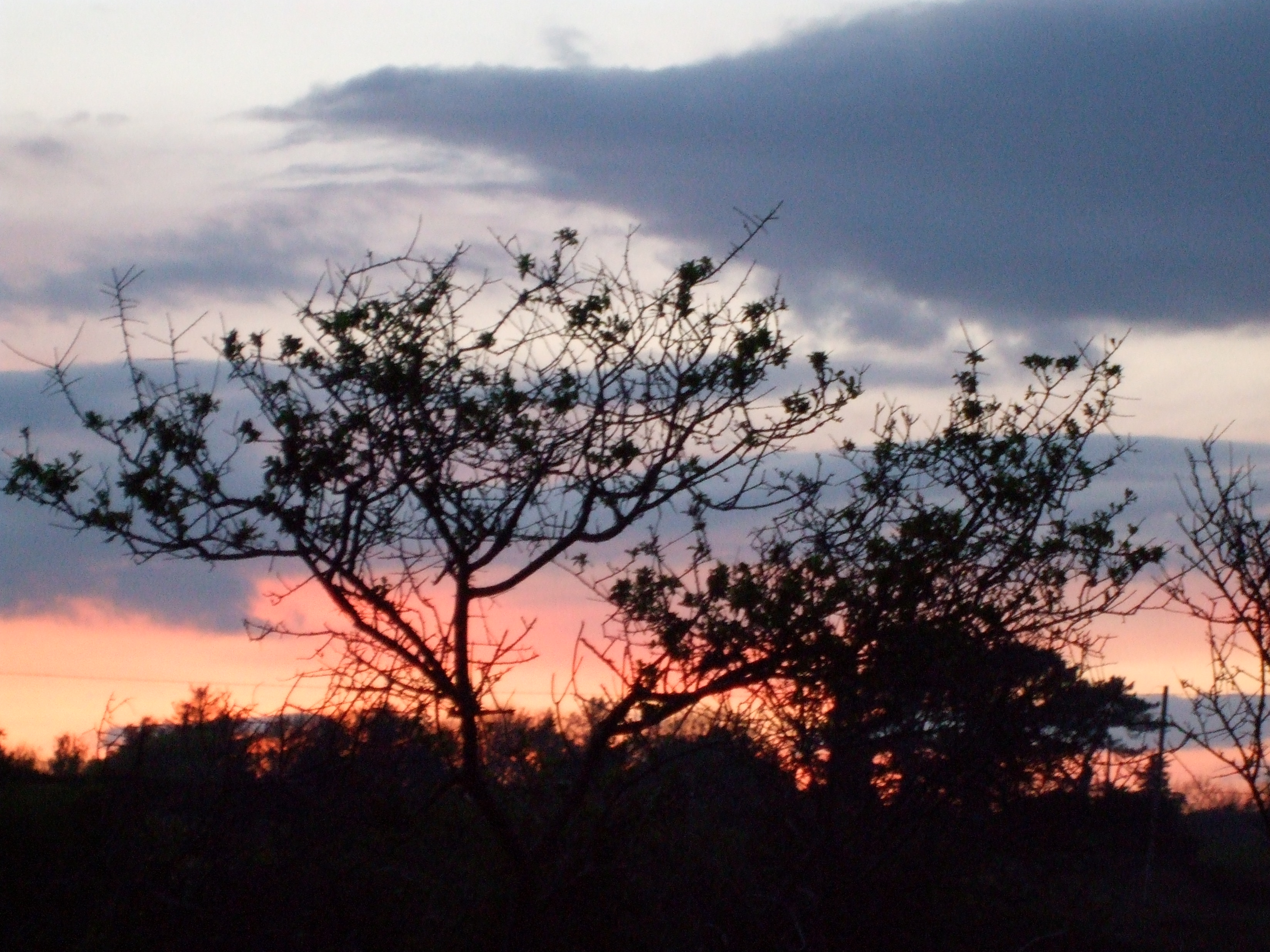
Some impressive sunsets

Back to Basics (Part II)

Still growing…you can’t rush nature!

This is the second looking at what my local environment has shown me as a writer. (You can read Part I here).

Rushing fails – This year, I had some flourishing courgette plants ready for the garden. At the beginning of this month, I planted them out, pleased with their progress. Within two weeks, they were all dead. I’d ignored the possibility that the shift in conditions may be wrong – and I paid the price. Likewise, there’s no point trying to suddenly bang out a 2000 word short story a week before a competition closes. I know, I’ve done it. The work was inferior and had no chance of getting selected. I might as well have donated the entry fee as a gift.

If you’re not so good at being rigidly organised, keeping a stock of half-finished stories is a good habit to adopt; you can pull out them for final shaping as competitions approach. But if you’re not happy with your work, don’t submit. It’s fine to decide not to enter a competition or submission because your writing isn’t quite ready. I’ve done that twice this year already. It’s better to get a piece of work right and rehouse it elsewhere at a later date than submit something that’s not good enough.

Flexibility rewards – Sorry to keep banging on about my courgette plants but once again, they’re relevant. I’ve been propagating more seeds in the tunnel and shoots are starting to show. Despite my earlier haste, I’ve given myself enough time to grow more. We won’t have as plentiful a supply as we would have had if I’d not rushed, ignoring the conditions and external factors, but at least I’ve come up with a solution that means we’ll have some produce for the table.

The infamous courgette (Round 2)

When writing, you need to stay flexible. After all, every time you share something you’ve written you’re open to criticism, rejection and opinion. Some of the feedback will be constructive, some useful and some not. But be ready to sift through the advice and take the relevant stuff on board, adapting your work accordingly. You also need to be flexible in terms of how you grow as a writer. If the narrative isn’t working in first person, try swapping to third person. If a character is proving tricky, figure out where the gaps are and amend accordingly. If you’re always writing prose, try poetry instead to hone different skills. Even if it’s not to a publishable standard, you’ll gain from the experience.

Learn from your mistakes – If you’re submitting a novel to publishers, for instance, and several editors suggest that the pace is too slow/your novel is too plot driven/a specific character is unbelievable – then guess what? They’re probably right. Several people noticing the same issue probably means that it needs work.

If you’re writing short stories or poetry and have spent months working on a piece but still had to rush at the end, make a note to give yourself more time in the future. If you’ve a story idea that just isn’t working, store it in your reserve file and work on something else. It may be that the timing’s not right or that the idea isn’t as good as you initially thought. You’ll know the answer when you revisit it at a later date. (And yes, you guessed it: my courgettes won’t be going out until June next year.)

What can your environment teach you?

(Huge thanks to @derekF03 for inspiring these posts. You can read Derek’s blog here.)

Back to Basics (Part I)

Get it right & you might be surprised!

Moving from a city to a rural Irish village has been at once rewarding, demanding, surprising, tiring, energising and lots of fun. Inspired by a collection of blog posts by @derekF03 on what songs can teach writers (see end of blog post), I thought I’d take a look at what my new environment has been showing me over the last year and a half. 

What has country living shown me that might be of use to others? (This is written in the context of writers, but would be relevant to any vocation.)

Conditions need to be right – Countryside living has demonstrated that if conditions aren’t right, nothing will grow – that’s true for lambs, cattle, vegetables and it’s also true for your work. It’s like Maslow’s Hierarchy of Needs; if you’re exhausted, hungry, cold, if you don’t have the right equipment or right working space, it will affect your writing. I’m not talking about creating perfection – otherwise you’d never get any writing done! – but about making sure that your environment/writing conditions suit you is the best move you can make. I’ve been experimenting with my timetable since moving here and still haven’t found the perfect balance; but I have figured that I’m better off getting up at 6am to do a few hours of writing before tackling anything else than I am trying to leave it until the end of the day.

Sometimes nature needs a helping hand too.

Timing is crucial – We’re planting vegetables on a much larger scale this year and we’ve carefully worked out how to stagger the produce so that we’ll have a plentiful supply for as long as possible. A similar approach is needed for writing. As writers, we need to be setting ourselves clear deadlines to make sure that we are working at an optimum level; especially if we’re working on multiple projects. This doesn’t mean fitting as much in as possible (though I’m sure that’s something we all do) but we need to manage our time effectively so that we can give our work the dedication, focus and time required.

External factors arise – With my courgettes, it was unexpected gales; but with writing, it may be that a character suddenly doesn’t work and you have to rewrite them from the beginning. Maybe a story you were going to enter into a competition needs to be longer than the specified wordcount? In that instance, you need to decide whether to shorten it, switch to another piece or not submit. External factors could be ill health, exciting news, a sudden move; but guaranteed, something will always arise unexpectedly. But it’s your approach to these factors that will affect your work. Tackle them head on and adjust accordingly – and if it means delays, or a change of direction, don’t worry.

What can your environment teach you?

(Huge thanks to @derekF03 for inspiring these posts. You can read Derek’s blog here.)

April in 10 photos

Sorry it’s a bit late folks, but with all the fun over at the Writers Week Blog, it’s taken me a while to sort through this month’s photos. April was a very busy month and it was difficult to select what to show, but here goes…

Building weather-protection for our mini-garden (real veg garden is a whole field)

We planted out runner beans & French beans (could be way too early; esp. with the freak winds – we’ve more propogating just in case).

Collected seaweed to fertilise our cabbages (plastic strips deter the birds)

This is where we collect the seaweed: some interested walkers came down to chat about what we were up to!

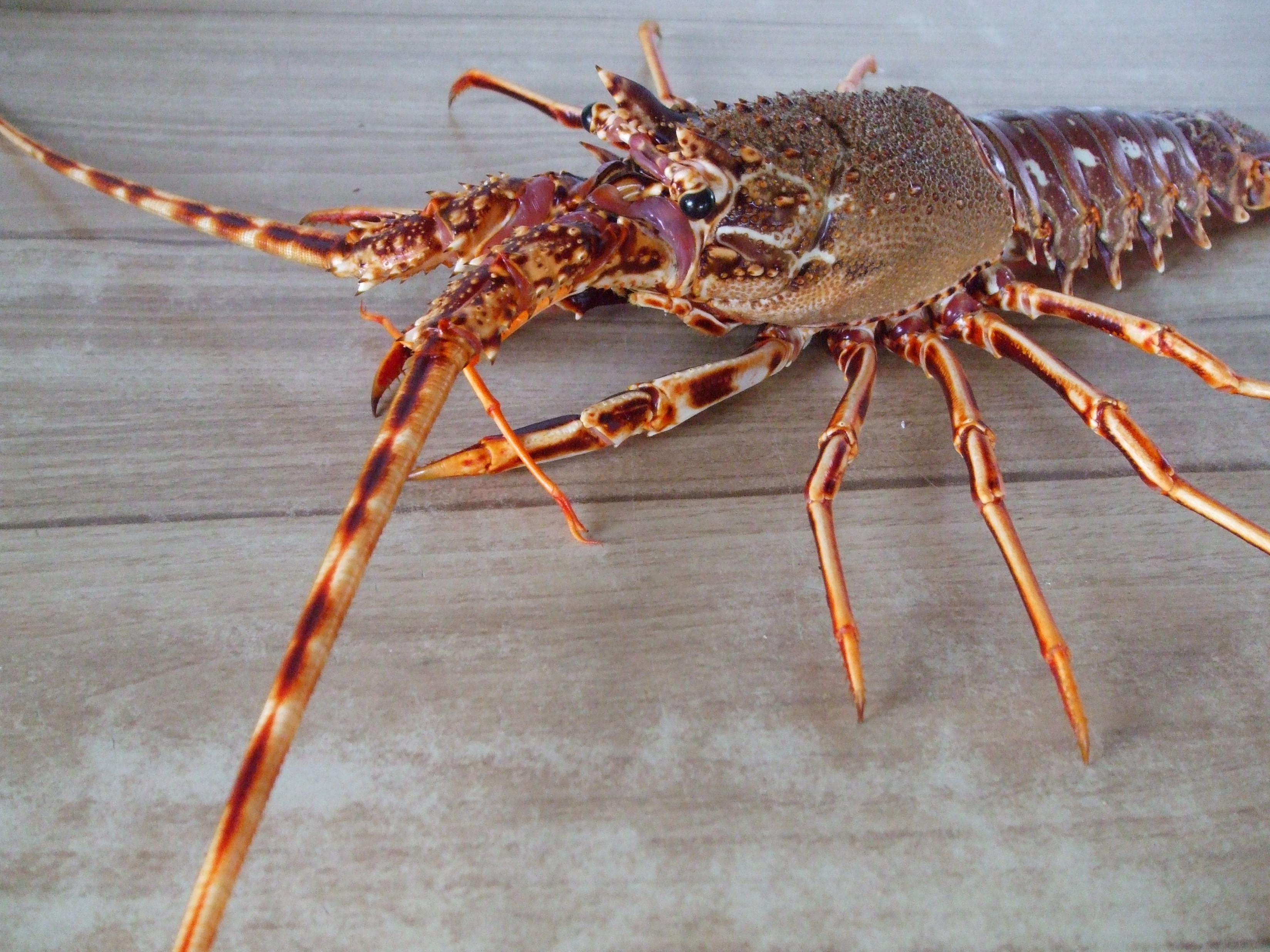
A fisherman friend brought us our first crayfish of the season

Created a river view: you couldn’t see the water before. It was all briars and dead fuschia. Now look at it!

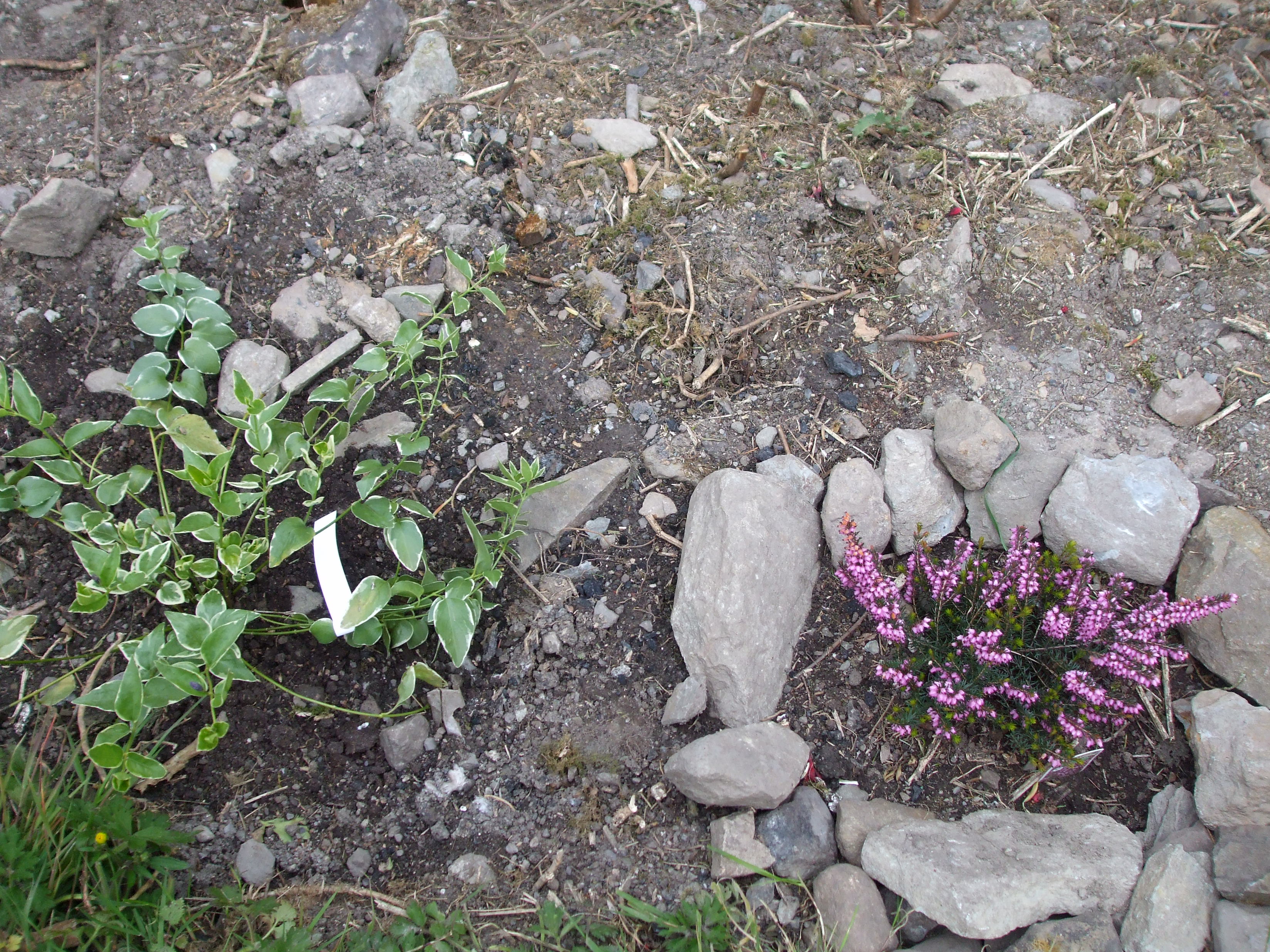
And here’s some of the stuff we’ve planted on the newly-cleared banks (there’s monbretia and wild strawberries too). It’ll look gorgeous in summer.

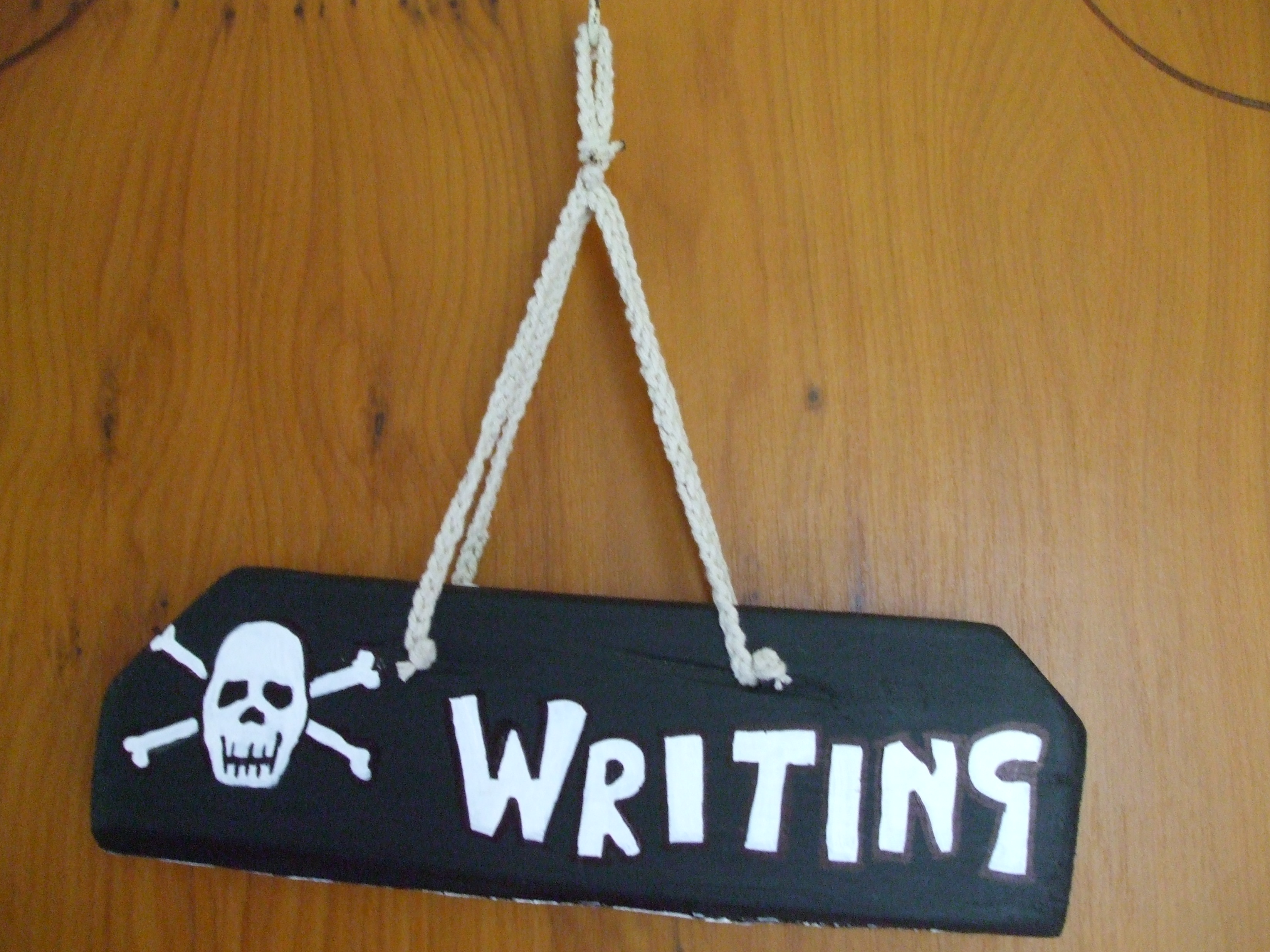
I made a sign to help people get the message…

We built boxes for our tomatoes and transplanted them – this is where they’ll stay now until they’ve yielded all their fruit.

And I leave you with one of our beautiful, moody sunsets.

Build a Writers’ Toolbox (Part 4)

Would you think the same sat here?

This week, in the final installment of my writers’ toolbox posts, I’m looking at how our general environment can help to build ideas, improve our current works in progress and give us the energy to keep going. 

  • Exercise – fresh air, heart rate pumping and a good stretch create a feel-good factor that generates more ideas & better state of mind. If you take your workouts outside, you never know what you might see; it could trigger an idea or iron out a kink in your WIP.
  • Conversation – being nosey is a great asset for a writer. You overhear amazing snippets of information and quirky detail; often in the form of fleeting mentions which you never hear the end of, so you can create your own.
  • Found items – Picking up stray items – e.g. a plastic horse discarded in a bush, a stone from a beach, a badge found on the pavement – can inspire new ideas or trigger a character trait for your WIP. If you’re a neat freak (like me) then store all these items in a box & stow away until needed. You can build a story around the item or use it to inject something into something you’re currently working on.
  • Local history – listen to/research accounts of the people who lived in the area, as well as strange events, traditions and hearsay. There’s a mountain of material there and it’ll be fun to research.
  • Ideas board – collect all your jottings on receipts, cut outs from newspapers/magazines, inspiring postcards/photos and plaster your board with them. Get other people to stick things on there too. Pull items out when a themed deadline comes up or an open submission has you stumped; this is also good just for writing exercises to get your brain geared up for the day. After all, not everything you write is going to be completed. Some ideas just have to be scrapped, seen as a learning curve.
  • Other hobbies/downtime – as I was discussing recently with @katyod, it’s taken me a long time to realise that down time is just as important as scheduled writing. Anything that helps you switch off so your brain can recuperate, preventing implosion, should be seen as useful, rather than as a waste of time. Painting, gardening, sport, dancing, jigsaws, litter picking, fishing – it doesn’t matter what it is that you enjoy doing, so long as you make time to do it!
  • Do things differentlychange your routine or try something new to get in the head of a character of trigger different thoughts processes.  Schedule a day every now and again when you say yes to all new experiences – routine is useful, but breaking it can also have positive effects.

What writing techniques/tricks do you employ to stay inspired and energised?

Build a Writers’ Toolbox (Part 3)

Step away from the computer...

This week, I’m continuing the idea of building a writers’ toolbox, but I’m now going retro and taking it offline; starting with a few select books and magazines. There are lots of books about writing to choose from and many are informative or useful. But these are my particular tried & tested favourites; the ones that I return to. Please add more of your own favourites below…

  • Story by Robert McKee – Even though it’s about scripts, it works perfectly for fiction.
  • Writing Picture Books by Ann Whitford Paul – Some sound advice for children’s writing, as well as a beautifully designed book.
  • Writing Magazine – includes the excellent Writers News as well as subscriber-only competitions: perfect for beginners or writers wanting to keep an eye on the submissions market  (@writingmagazine)
  • Mslexia – even though I usually shy away from gender-specific magazines, this magazine does offer great articles and features and clear submission guidelines (@mslexia). Plus, their Women’s Novel competition winner just got scooped by Harper Collins for a 6-figure sum!
  • Mortification: Writers’ Stories of their Public Shame recommended to me by @STomaselli, a book that makes you cringe & smile in equal measure, especially if you’re battling to sign on the dotted line.

Do you know of any more good books on writing? Please add in the comments below: if there’s enough, I’ll collect and create a new post.