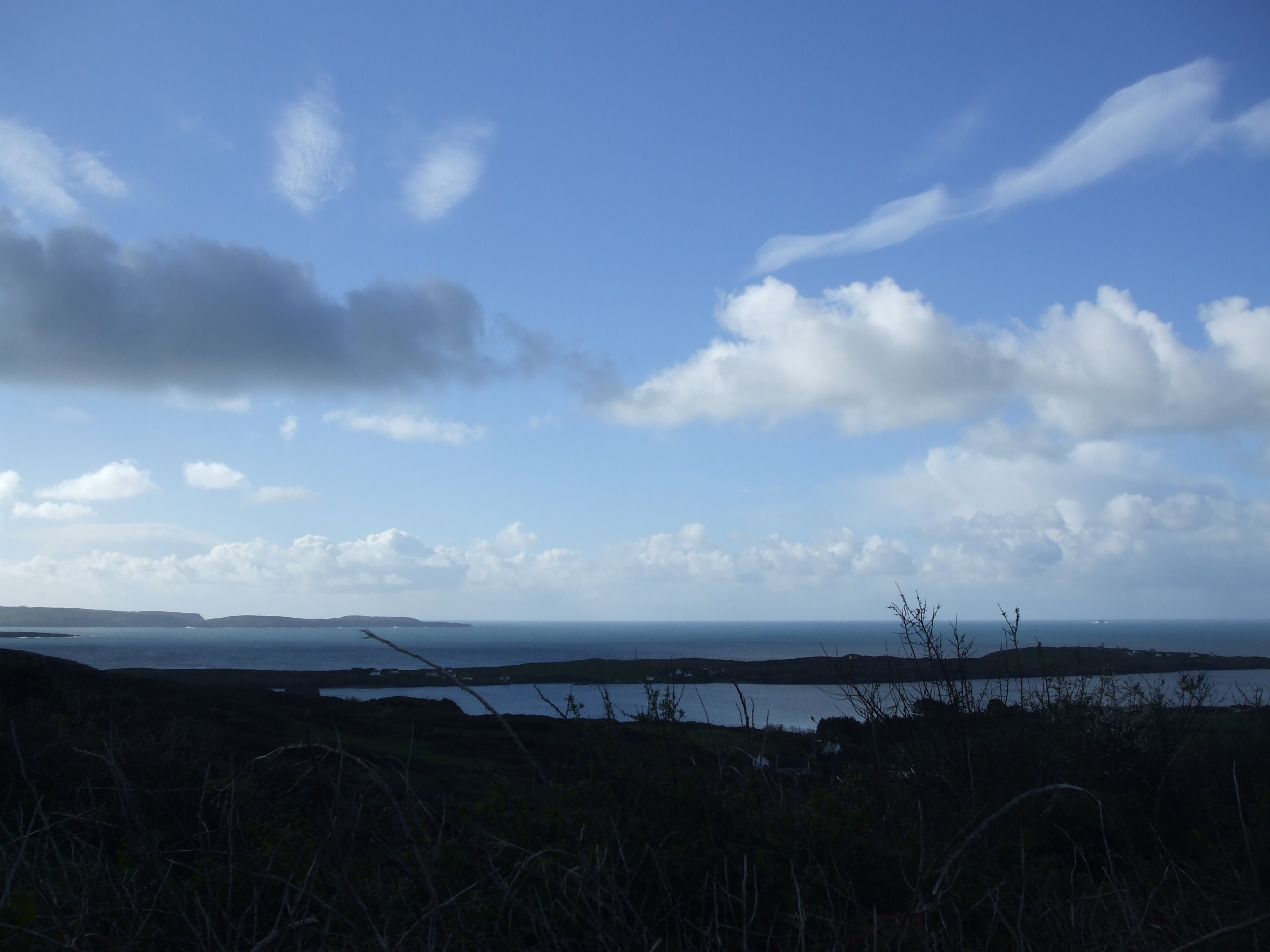
Lots of walks, enjoying the local scenery

Foraging: razor clams, carageen moss, sea lettuce, mussels

Saw lots of new growth (this is courgette)

Planted all our potatoes (early & late crop)

Built a new table with hubby
Lots of walks, enjoying the local scenery
Foraging: razor clams, carageen moss, sea lettuce, mussels
Saw lots of new growth (this is courgette)
Planted all our potatoes (early & late crop)
Built a new table with hubby
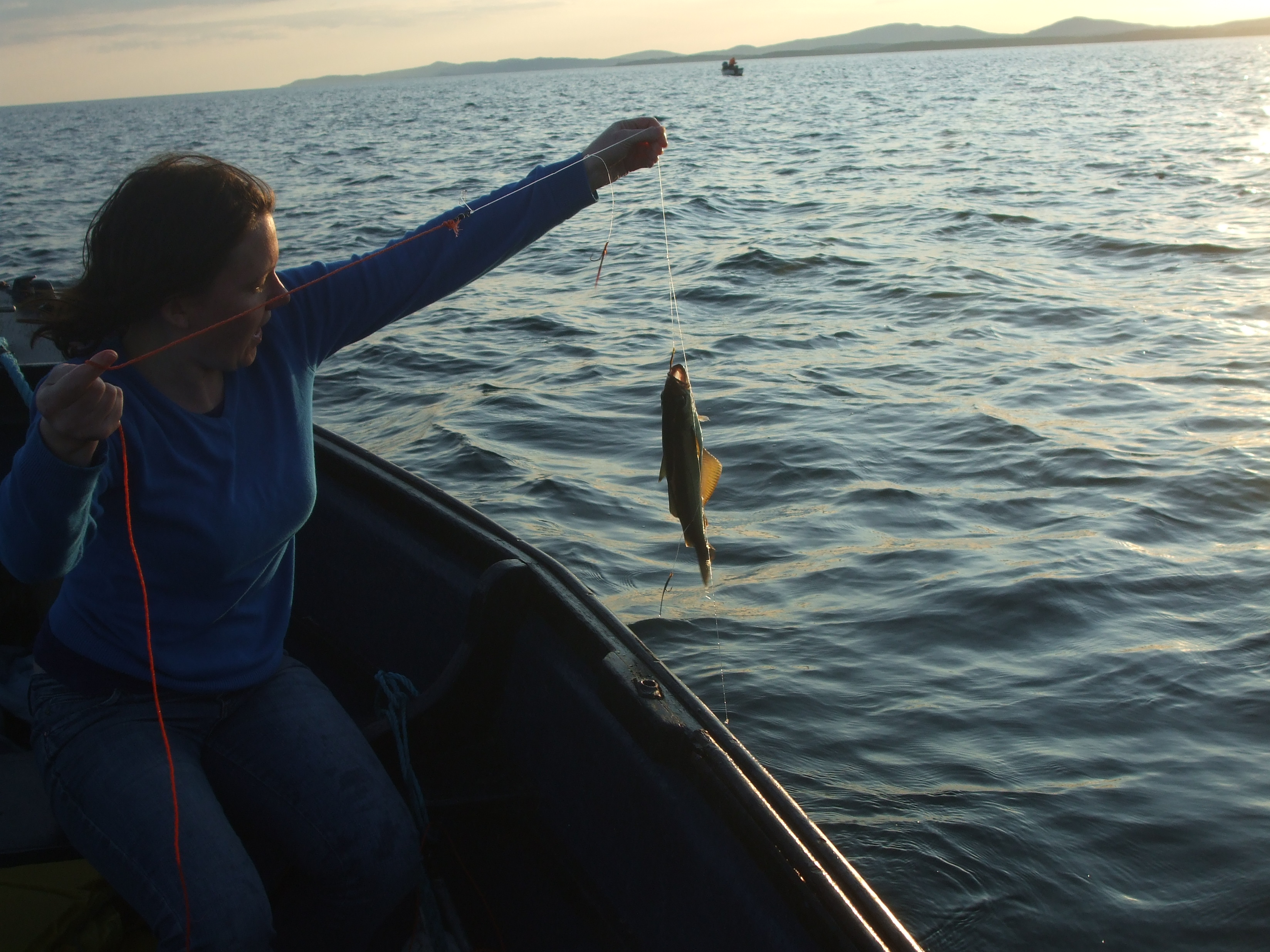
You'd never fish without a line
This week, I’m continuing the idea of building a writers’ toolbox, looking at some really useful and/or inspiring websites. Please add more of your favourites below…
Informative Websites
Inspiring websites
Don’t forget to add your own favourites…

My home-made gardening toolbox
Like any other tradesman or craftsperson, writers need a toolbox. We need to have a store of useful items that we can call upon when needed. From interesting blogs to books on the art of writing, templates to brain teasers, there is a wealth of information out there designed to make our lives a little easier, or at least, more focused.
But as always, there’s the danger of procrastinating; searching the web or bookshelves for hours in the name of ‘research’ or ‘professional development’. So, here is a short series (3 in total) of a few useful/interesting items I’ve found along the way. This week: blogs that, as a writer, I particularly enjoy. This is, by no means, a complete list, so if you have any more suggestions, please add them in the comments so we can all share.
Please add more of your favourites below…

Nature knows how to get results
As I settle properly into writing full time (it’s been a year now and yes, I’m finally grasping the fact that I am a full-time writer), I’ve come to realise that writing is all about balance.
The balance between keeping bum on seat long enough to write a decent day’s work and removing said bum from seat frequently enough to prevent a spare tyre from settling around the midriff…
Then there’s the balance between editing and producing new material, between writing because you love it and earning a living…
And finally, the balance between writing for yourself and trying to get published.
This, for many, is the toughest to achieve. After all, as writers, we’re driven by a need to create – but what is the point of creation if no one gets to enjoy it?
It’s a tricky one and I’m not sure there’s an answer; but I do know that my best creations are those I’ve written when I’ve turned off the ‘will it get published?’ part of my brain and concentrate on writing a damn good story.
Of course, competitions and deadlines are a perfect way to inspire new ideas and get a bit of a mental shove. But that hungry, questioning side still has to be switched off for the work to reach it’s potential. Or so I find.
In many ways, the biggest struggle is maintaining a sense of realism. In an ideal world, I could sit at the computer forever, forging ahead with astounding word counts and multiple stories; food, sleep and conversation outside of Twitter would become a thing of the past.
But in reality, we need downtime. We need a balance. And it’s OK to switch off the computer. Take a walk. Make a roast. Phone a friend. Because how else will our brains recuperate? If they can’t recharge, if they can’t let go once in a while – how will they ever produce work that’s good enough to be published?
I create balance by being outdoors, growing food, cooking, painting, making stuff; I surround myself with music, nature and inspiring friends.
What do you do to maintain balance? And are you doing enough of it?
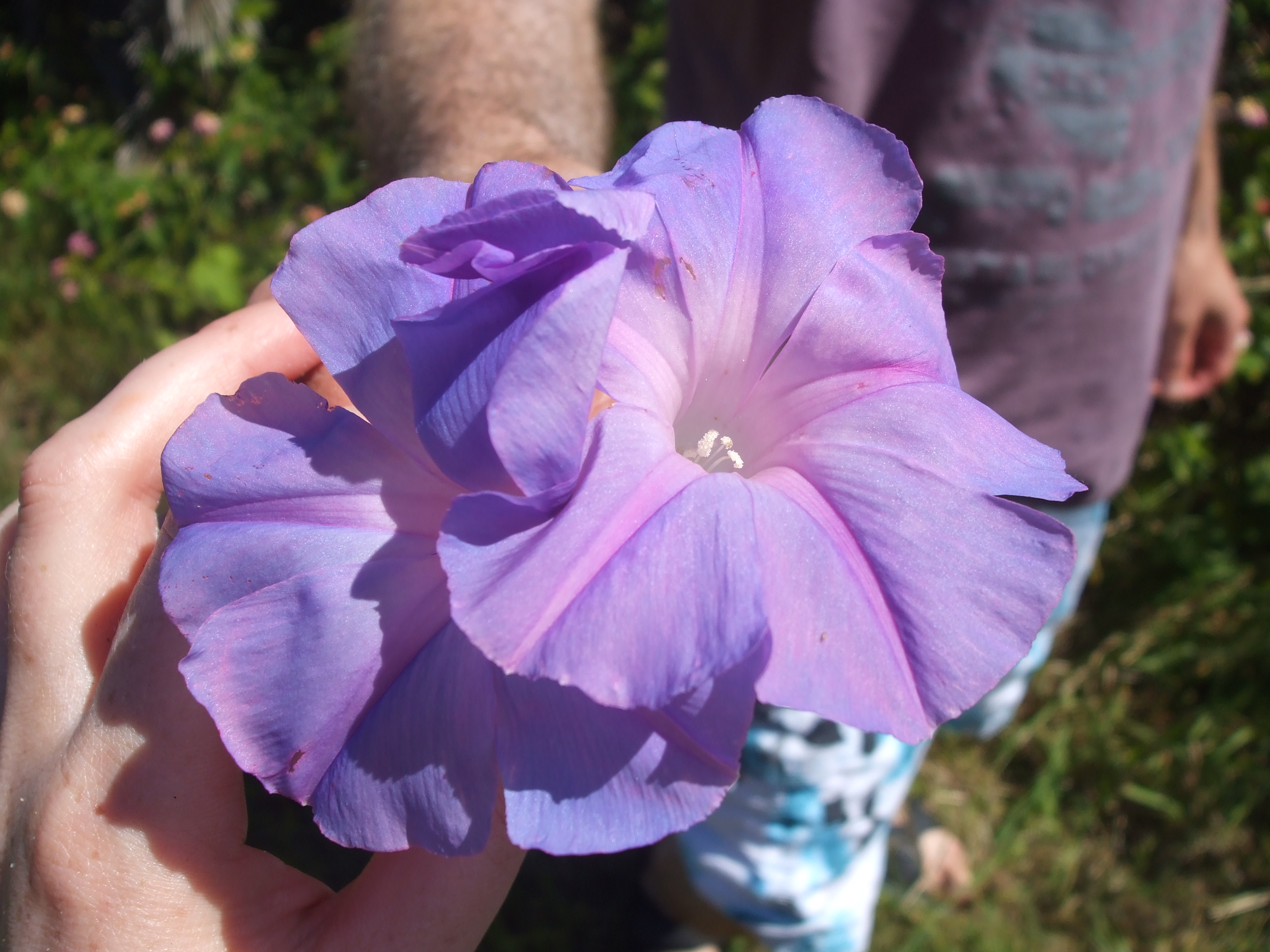
Celebratory flowers
Over the last year I’ve been so busy working on my novel full time that I let other submissions slip. Into complete non-existence.
Towards the end of 2011, I started to feel off-kilter, a little awkward overall, and I couldn’t put my finger on the reason why. That was until a friend asked me this vital question:
“When was the last time you had anything published, anyway?”
That’s when the diatribe about being so focused on my book began. And when the realisation that it had been a long time – too long, in fact – hit. Square in the face.
So, at the start of 2012, I vowed to make sure I complete submissions as well as work on a new novel. Thankfully; this has paid off. Not only am I brimming with ideas, my enthusiasm has exploded and I’m writing more than ever.
In addition: I’ve just got something published. It’s not a giant leap, but after hiding away for so long, it feels very liberating. If you’ve got a few minutes to spare, you can read my short story Conjoined over on Beat The Dust.
Like I say, it’s been a while so I’m a little nervous; but I’d love to know what you think! <Insert can of worms here>

Twitter: always available for a chat
I recently read on Twitter that social media was too much of a distraction for writers and, as a result, writers should steer clear. Although I understand that tools such as Facebook and Twitter can be time consuming and, therefore, take away from the time spent on putting ink on paper – I also felt that this was a rather one-sided viewpoint. After all, it’s up to the writer to determine when and for how long they spend using these tools – and to determine how to benefit.
Let’s face it; these things can easily be kept to a minimum. Facebook only requires one or two snippets of something interesting a week at most, and Twitter can easily be scheduled outside of writing time. Blogs definitely take longer to write but so long as your readers know how frequently you intend to blog, you can blog every fortnight, or even once a month, if that’s what fits with your schedule. Be clear and write well and you’ll have a good blog. Simple.
But, even more importantly, I felt that this claim that social media should be avoided by writers missed a crucial point; social media can be used to aid your writing in many ways.
Firstly, you get to make contact with other writers, publishers and agents. This creates a valuable support network which I personally find to be of life-saving proportions. It’s not just a good way to get to speak to people who interest you, who can help you with your writing & point you in the right direction, but you get chance to build up friendships with people who understand the joy/frustration/elation of being a writer. And that’s valuable whether you’re published, almost published or just starting to think about the idea of getting published. As successful self-published author and blogger Catherine Ryan-Howard says “Building a social media presence is the single best thing a writer can do for his or herself outside of writing a great book. It enables you to build a readership, connect with other writers, agents and publishers and even sell your work. Better yet, it’s fun!”
When it comes to establishing an online presence and selling your work, this doesn’t mean bombarding people with hard sell; after all, people will just get annoyed and ignore you. But as you build relationships, people gain an interest in you and your work. You have an outlet to advertise the stuff you’ve done and the chance to gain more of a readership. In addition, you can get noticed and maybe even be approached by an agent, an editor (this happened to me) or a publisher and – fingers crossed – secure yourself a much-coveted book deal. Think Twenty Major, Maria Duffy and Beaut.ie – all people who secured a book deal in one way or another through their social media presence.
Finally, you can find out information that you need or bandy an idea around with instant results. Twitter is particularly good for this because you can direct the question to people you think might know the answer. And with questions thrown out in general, the replies are usually fired back at you pretty quickly. This is great if you’ve come to a sticking point which is distracting you. If you’re worried about the time taken, don’t be; you don’t need to sit there waiting for a reply. Send out the question, get back to work and then check your @ messages when you have time.
So although social media could be a distraction, it doesn’t have to be. Just be mindful of how and when you use it and make it work for you. Like anything else, it’s only a distraction if you want it to be. And, as Sarah Webb pointed out recently; there’s always an ‘off’ button.
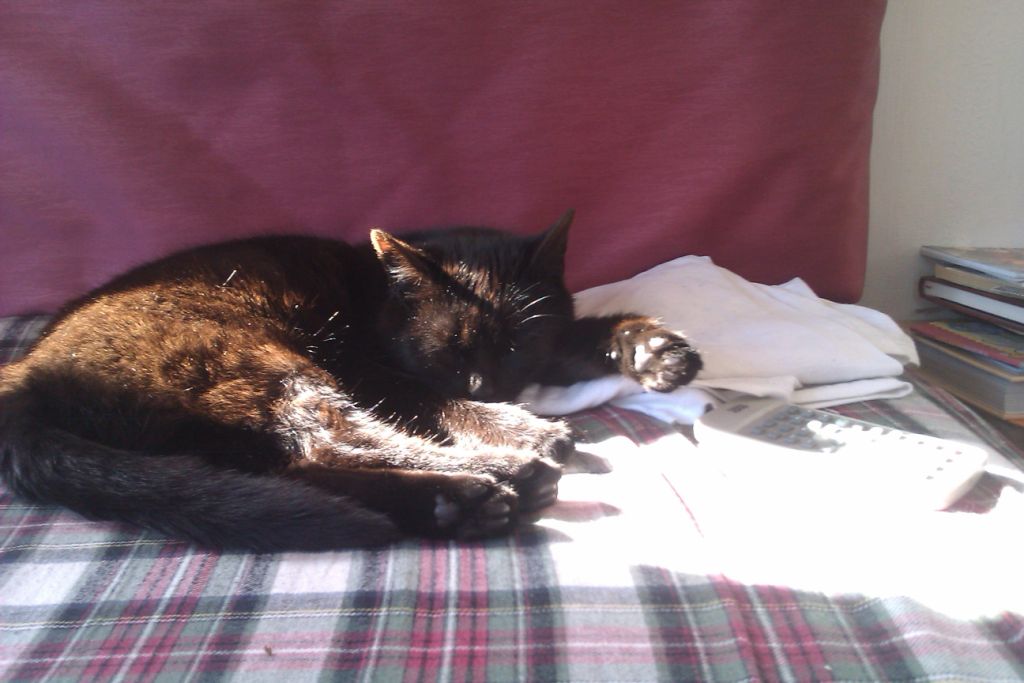
Socrates knows how to switch off!
As requested, here’s the last month’s round-up of activities in photo format. As a writer trying to be as self-sufficient as possible, I found that even though February was a short month, there was still plenty to do and lots of variety. Enjoy!

Submitted to the Bryan MacMahon Competition
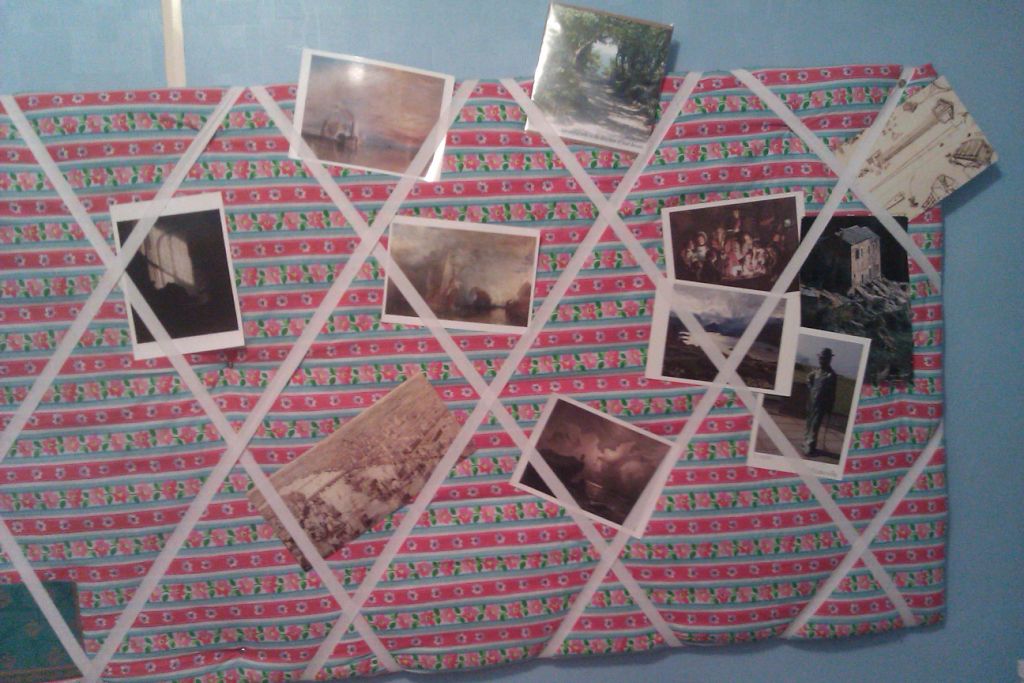
Designed & built an ideas board

Cleaned the tunnel & all our pots

Planted seeds (cabbage, sprouts, tomatoes, chillis & peppers)
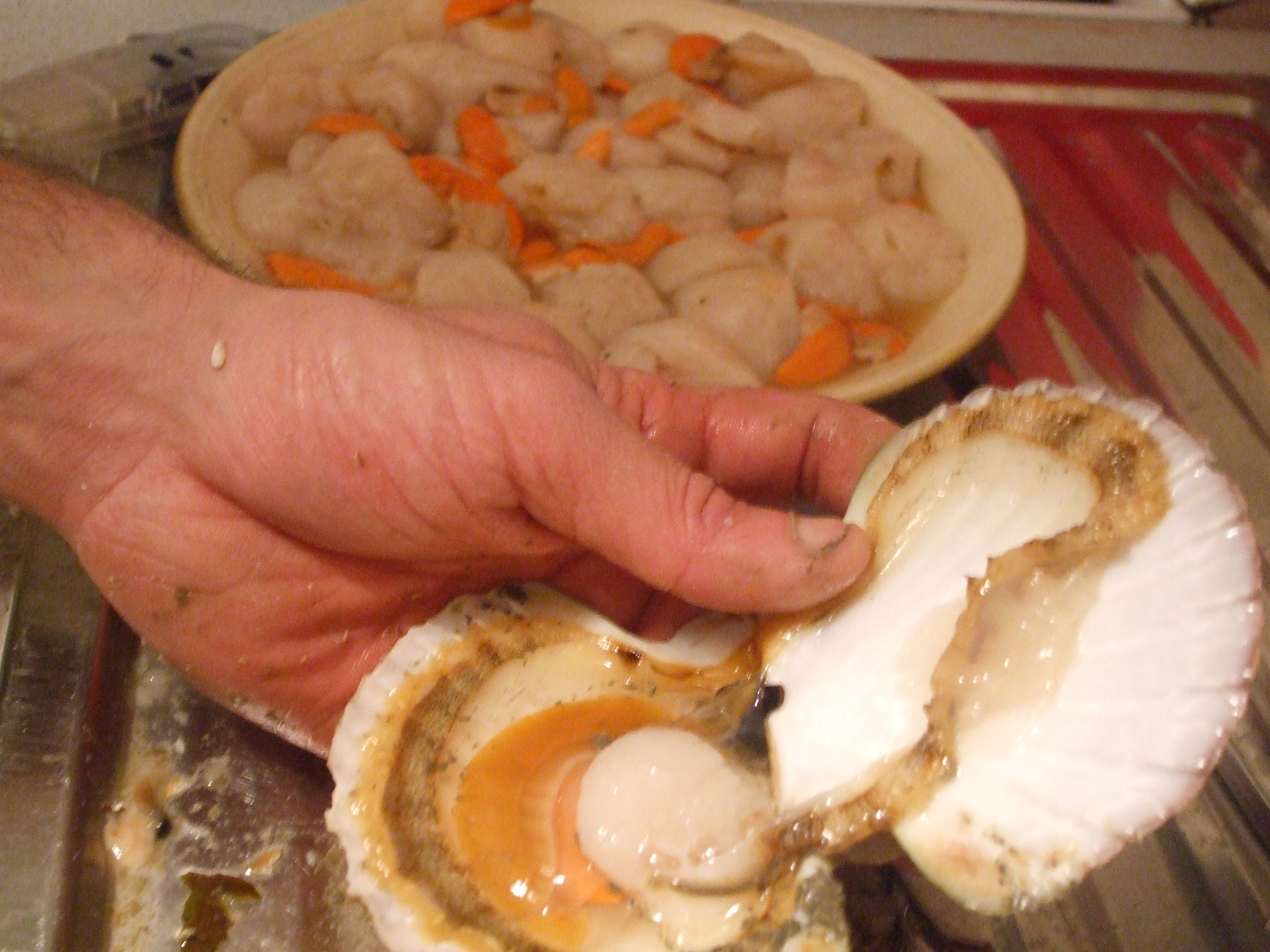
Wrestled with live scallops

Swapped to homemade bread
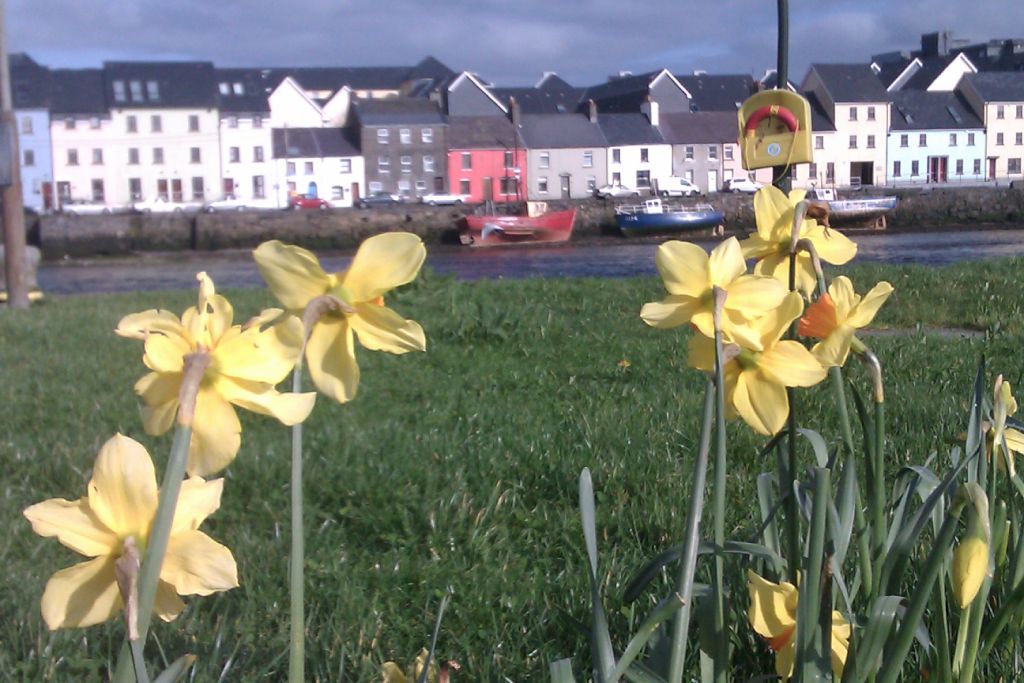
Trained on Social Media in Galway Arts Centre
As you can see, I’ve been busy. However, I don’t want this to be a one-way stream. Everyone leads an interesting life, whether they realise it or not, and I’d love to hear what you’ve been up to.
What surprises did February 2012 bring you?
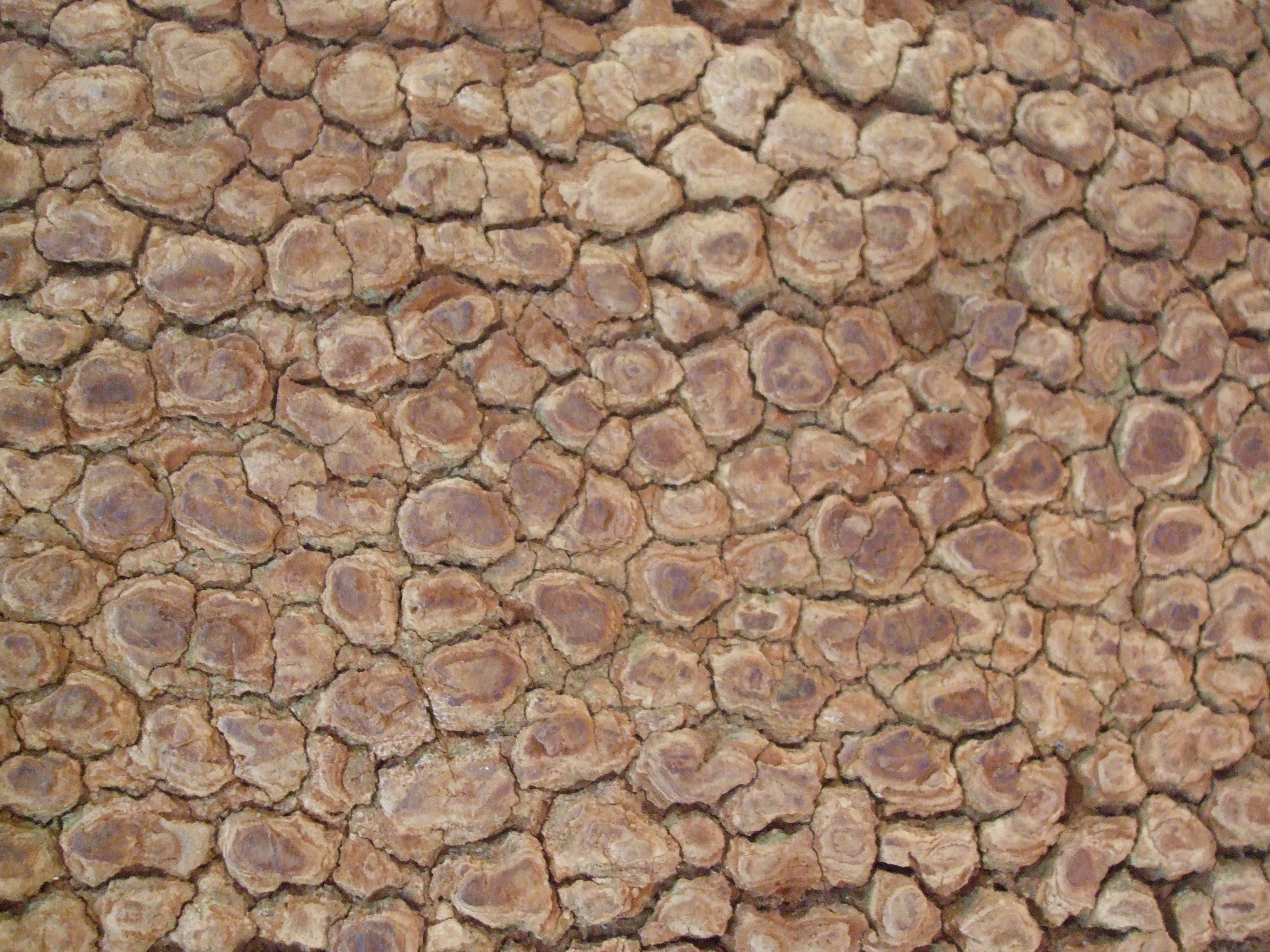
This Australian gumtree has the right idea
Writing, like any creative activity, can only be approached with the skin of a rhino. After all, there are plenty of pitfalls to doge and obstacles to overcome; you have to risk upsetting your friends and family as you shut yourself away for unfathomable amounts of time, living in your own head while you create a mish-mash of words you hope someone else will want to read. There’s no payment (unless you’ve a publishing deal), no right way to go about it (but lots of contradictory guidelines) and every time you send out a submission/revised draft, you risk the ultimate slap in the face; rejection.
But, as many successful authors will tell you, it’s all part of the writing process. And rejection doesn’t have to be such a bad thing; it’s all depends on how you deal with it. I received an excellent piece of advice from @inkwellHQ a few weeks ago:
“Remember Beckett: Every time we fail, we fail better.”
What excellent words to bestow upon a fellow writer; and how true! So, it got me thinking; if we’re all in the same situation, there’s got to be a million coping strategies out there that we can all share. Here’s a few thoughts of my own, to start us off.
These are just a few ideas which I hope might help. I might even have to pop back and remind myself of these ideals when the next rejection slip comes in.
So, how do you stay thick skinned and turn rejection into something positive?

Not quite a rhino, but I wouldn't want to upset him
Rural living is amazing. But it’s also random. It needs a lot of organisation, a nonchalant attitude towards the weather and often, plenty of hard work. But – combined with writing, it’s my haven. And here’s some photos from my year so far to prove it!

Planning our mini veg garden

Making sure there's fuel

Dressing up as a soldier (Edinburgh)

Writing in the painted hall (Greenwich)
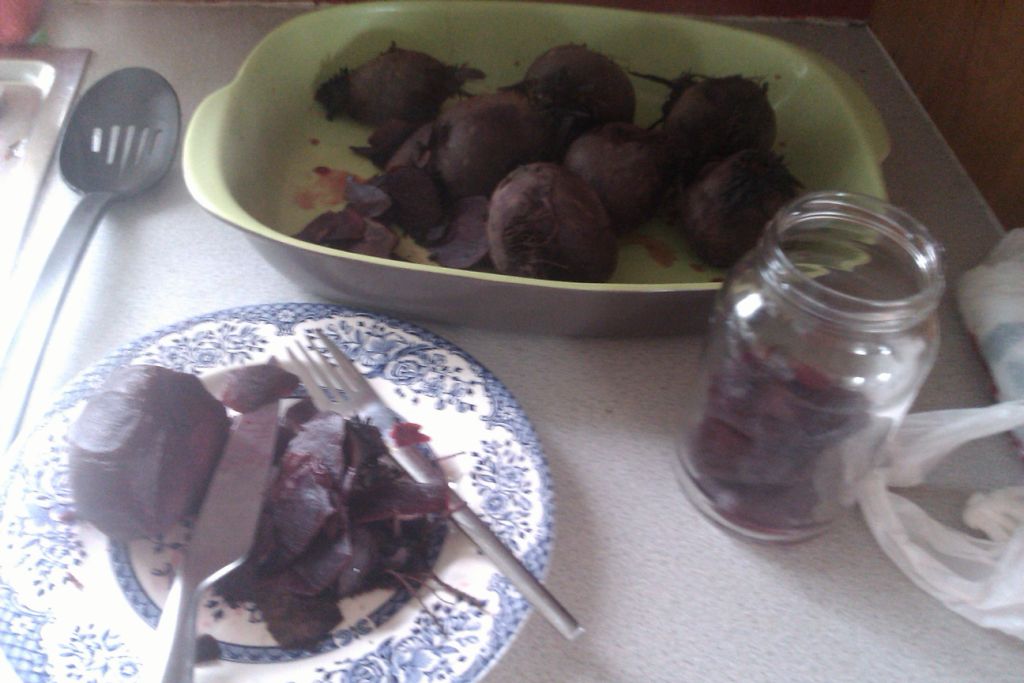
Pickling the last of 2011's beetroot crop

Digging the tiny veg plots
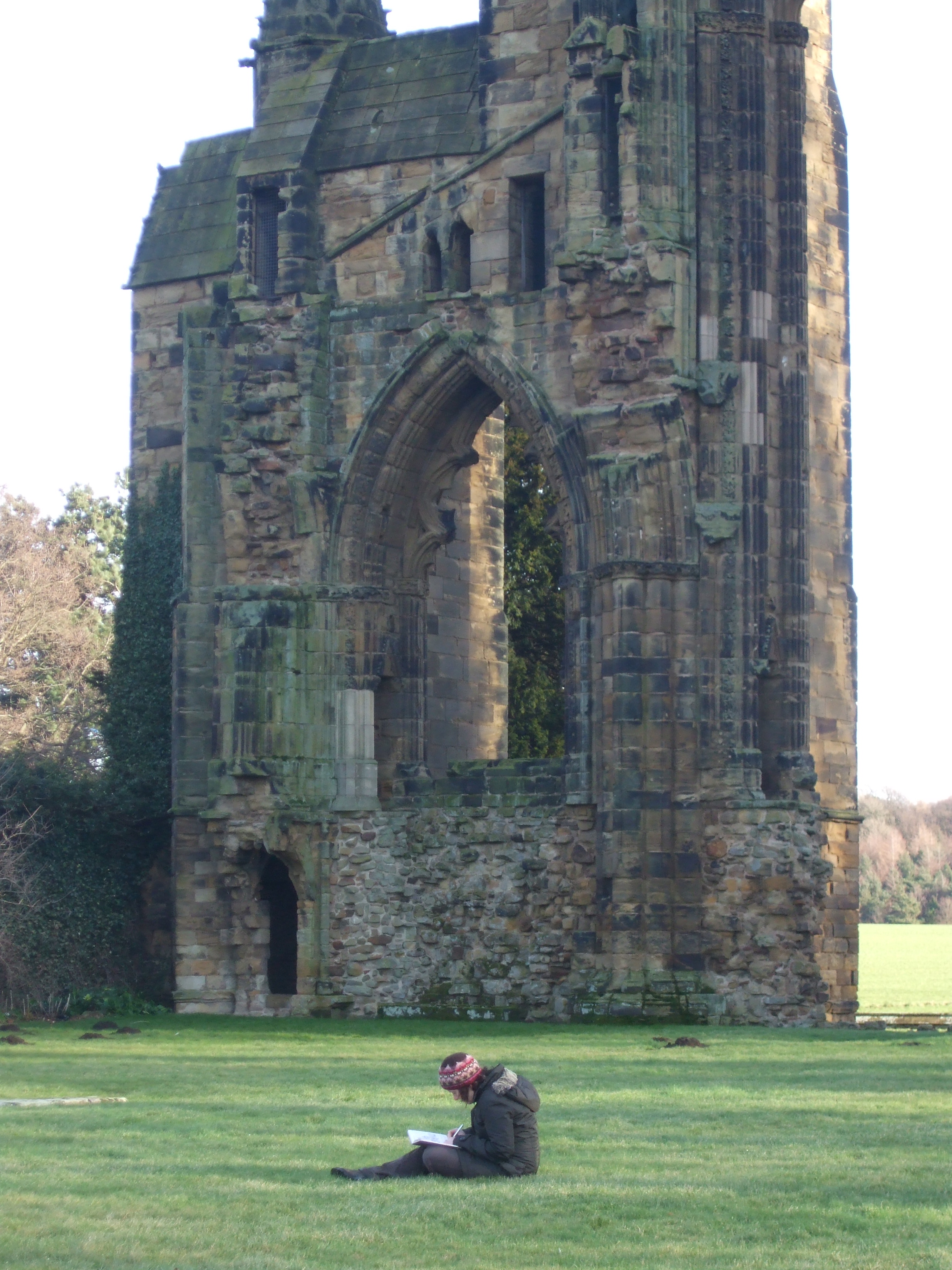
Writing in fields (Guisborough)

Making my husband upside-down
I was going to do these posts on a 3-monthly basis but – it seems there’s so much going on, I could make it a monthly thing. Or even weekly.
What do you think? Would you like to see more? And how often?
It all started with this on my friend’s Facebook page:
 These images really got me thinking, because this pretty much sums up many people’s attitudes to writers and writing.
Whenever I tell people I’m a writer, living in the countryside, I always get the same reaction; “Ah, that’ll be inspiring. You can look at the sea for hours on end, waiting for the ideas to come. That’s the life!”
Well, yes, in many ways, it is the life. I’ve surrounded myself with beautiful views and inspiring people, and I get to do what I love every day. But as any writer knows, writing doesn’t entail sitting and waiting for an idea to form; writing is hard work. You have to discipline yourself to sit and write every day – you have to make ideas work, yet be prepared to scrap hours, days, or even several months’ worth of work if the plot/characters/general ideas don’t work out in the end. And you also have to be ruthless and selfless enough to spot the failure in the first place, despite the time and effort you’ve invested.
Writing can be lonely, time consuming and takes an enormous amount of self control – it’s a selfish monster but, if you’re a writer, it’s a necessity. Writing is embedded in your soul and words need to be formed, manipulated and loved on a daily basis, no matter what else is going on in your life. But don’t get me wrong; writing is also a complete delight. And there’s an unidentifiable joy that you gain from jumping into the sea of language and coming up with a handcrafted pearl.
As writers, we take huge risks to follow our passion, our dream. We risk isolation, rejection and failure as, every day, we strive for perfection. We practise and train as much as athletes, craving success and recognition as well as the satisfaction of producing an enjoyable read. Ask any writer; you can write for yourself and try to feel satisfied with your work but there’s an inherent need for verification in the form of a publishing deal.
Yet, with or without a publisher behind us, we have to remind ourselves on a daily basis that yes, we’re writers. We have to know what we’re aiming for and be prepared to go out and get it. So we stoke up our laptops and wield our pens, then leap back into the tide – unsure of where we’re going but delighted to be going on the journey.
Why? Because, contrary to popular belief, writers don’t navel gaze; they write. No matter what else is going on, writing is our driving force for everyday life. And, I must say, it’s magical.
How do you keep the magic alive and keep on writing?

Sailing into the unknown
(originally posted on my old blog, Serendipitypoetry)
A group of published UK-based authors and illustrators of picture books, children's and YA.
Mum. Wife. Writes about bees.
File Gaeilge | Irish-language poet
Novelist
It's all about the stories
Writer, Filmaker, Illustrator. All content, unless stated otherwise are the copyright of Cethan Leahy.
 E.R.Murray