Build a Writers’ Toolbox (Part 2)

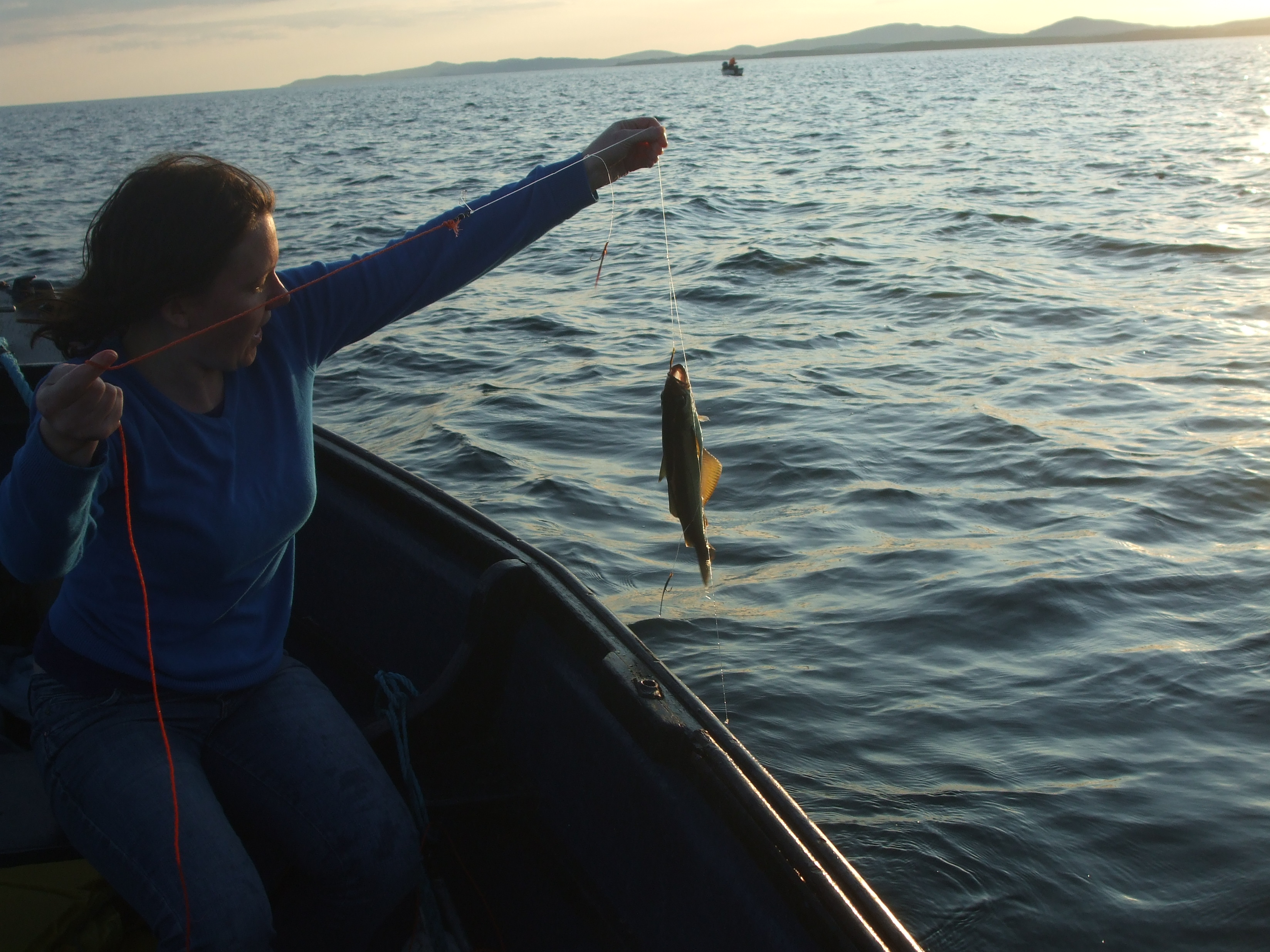
You'd never fish without a line

This week, I’m continuing the idea of building a writers’ toolbox, looking at some really useful and/or inspiring websites. Please add more of your favourites below…

Informative Websites

  • The literary hub of Ireland: www.writing.ie is essential for writing tips, news, competitions, articles, events coverage
  • Thresholds – home of the international short story forum full of submission and competition info (thanks to @averillB for pointing this one out)
  • Bookmunch – as writers we’re also avid readers – but it’s not always easy to select what to read. This corker of a book review site is full of ‘acerbic, pithy and/or witless book stuff’ – a really useful guide
  • The Short Review – the best place for reviews of short fiction collections – new and old.

Inspiring websites

  • Creative Writing Prompts – It sure is ugly, but hover over a number, read the prompt, go write! Useful for the morning pages or to inspire a new submission when you’re short of ideas. You can also find more ideas in the weekly write section of the Scottish Book Trust website.
  • www.triberr.com while I’m still getting to grips with it, this is a fun place to network, meet some cool people and get more coverage for your blog posts (as well as going to bonfires and earning bones…check it out to see what I’m talking about)
  • Prefer visual prompts? Try this Easy Street blog for ideas, or be get fresh ideas from Jason Lee (particularly good for characters & mood) or Gerry Chaney (think settings & space). Then, of course, there’s always National Geographic.
  • Authonomy – created by HarperCollins, a great community place to hang out, share ideas, get tips etc

Don’t forget to add your own favourites…

Build a Writers’ Toolbox (Part 1)

My home-made gardening toolbox

Like any other tradesman or craftsperson, writers need a toolbox. We need to have a store of useful items that we can call upon when needed. From interesting blogs to books on the art of writing, templates to brain teasers, there is a wealth of information out there designed to make our lives a little easier, or at least, more focused.

But as always, there’s the danger of procrastinating; searching the web or bookshelves for hours in the name of ‘research’ or ‘professional development’. So, here is a short series (3 in total) of a few useful/interesting items I’ve found along the way. This week: blogs that, as a writer, I particularly enjoy. This is, by no means, a complete list, so if you have any more suggestions, please add them in the comments so we can all share.

  • Cynsations – an amazingly informative and inspiring blog for YA/children’s writers
  • Photography by Jason Lee: particularly good for evoking mood, characters & ideas – this guy does some amazing stuff
  • The Vandal by Derek Haines: wit, stories, poetry, writing tips & more
  • Rant, with Occasional Music by Derek Flynn: fiction, music, reflections, writing, guest blogs
  • Catherine, Caffeinated by Cath Ryan-Howard: self publishing, self printing, reviews & tips
  • Pub Rants a straight-talking agent (of writers such as Sarah Reese Brennan) reveals all
  • Not for the faint hearted, this Evil Editor blog gives some straight answers on synopses and covering letters.
  • The Write Stuff – an amazing find, full of info gained from 30+ years as a freelance writer.

Please add more of your favourites below…

Balance

Nature knows how to get results

As I settle properly into writing full time (it’s been a year now and yes, I’m finally grasping the fact that I am a full-time writer), I’ve come to realise that writing is all about balance.

The balance between keeping bum on seat long enough to write a decent day’s work and removing said bum from seat frequently enough to prevent a spare tyre from settling around the midriff…

Then there’s the balance between editing and producing new material, between writing because you love it and earning a living…

And finally, the balance between writing for yourself and trying to get published.

This, for many, is the toughest to achieve. After all, as writers, we’re driven by a need to create – but what is the point of creation if no one gets to enjoy it?

It’s a tricky one and I’m not sure there’s an answer; but I do know that my best creations are those I’ve written when I’ve turned off the ‘will it get published?’ part of my brain and concentrate on writing a damn good story.

Of course, competitions and deadlines are a perfect way to inspire new ideas and get a bit of a mental shove. But that hungry, questioning side still has to be switched off for the work to reach it’s potential. Or so I find.

In many ways, the biggest struggle is maintaining a sense of realism. In an ideal world, I could sit at the computer forever, forging ahead with astounding word counts and multiple stories; food, sleep and conversation outside of Twitter would become a thing of the past.

But in reality, we need downtime. We need a balance. And it’s OK to switch off the computer. Take a walk. Make a roast. Phone a friend. Because how else will our brains recuperate? If they can’t recharge, if they can’t let go once in a while – how will they ever produce work that’s good enough to be published?

I create balance by being outdoors, growing food, cooking, painting, making stuff; I surround myself with music, nature and inspiring friends.

What do you do to maintain balance? And are you doing enough of it?

Thick-skinned

This Australian gumtree has the right idea

Writing, like any creative activity, can only be approached with the skin of a rhino. After all, there are plenty of pitfalls to doge and obstacles to overcome; you have to risk upsetting your friends and family as you shut yourself away for unfathomable amounts of time, living in your own head while you create a mish-mash of words you hope someone else will want to read. There’s no payment (unless you’ve a publishing deal), no right way to go about it (but lots of contradictory guidelines) and every time you send out a submission/revised draft, you risk the ultimate slap in the face; rejection.

But, as many successful authors will tell you, it’s all part of the writing process. And rejection doesn’t have to be such a bad thing; it’s all depends on how you deal with it. I received an excellent piece of advice from @inkwellHQ a few weeks ago:

“Remember Beckett: Every time we fail, we fail better.”

What excellent words to bestow upon a fellow writer; and how true! So, it got me thinking; if we’re all in the same situation, there’s got to be a million coping strategies out there that we can all share. Here’s a few thoughts of my own, to start us off.

  1. Rejection doesn’t have to mean you’re a bad writer; sometimes your piece won’t fit with what the publisher/magazine wanted. Research the typical content, submissions requests, competition judges before submitting.
  2. Actually listen to/read all feedback you receive – it’s usually not as bad as you think. It’s easy to fuse our own thoughts/disappointment with the actual advice and make things seem more bleak.
  3. Take the useful bits of constructive criticism and feed them into your work; this will help to improve it.
  4. Put the novel/short story/poem you submitted away for a week or two – even a month or a year – and then revisit it when you can face it. You’ll see the work in a whole new light and any future drafts will be much better.

These are just a few ideas which I hope might help. I might even have to pop back and remind myself of these ideals when the next rejection slip comes in.

So, how do you stay thick skinned and turn rejection into something positive?

Not quite a rhino, but I wouldn't want to upset him

2012 so far…

Rural living is amazing. But it’s also random. It needs a lot of organisation, a nonchalant attitude towards the weather and often, plenty of hard work. But – combined with writing, it’s my haven. And here’s some photos from my year so far to prove it!

Planning our mini veg garden

Making sure there's fuel

Dressing up as a soldier (Edinburgh)

Writing in the painted hall (Greenwich)

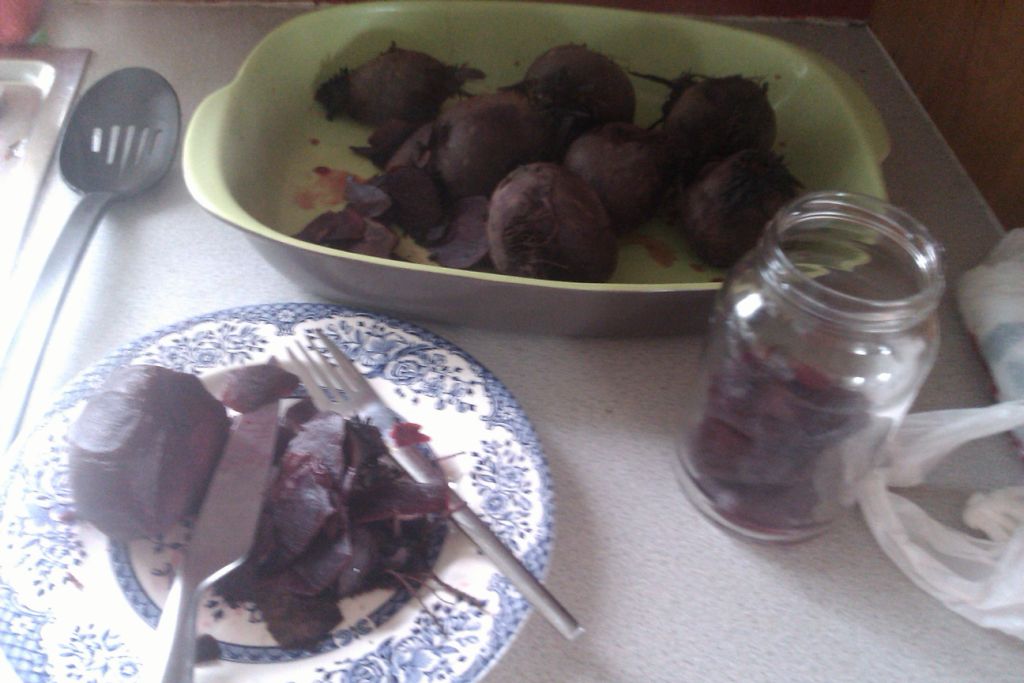
Pickling the last of 2011's beetroot crop

Digging the tiny veg plots

Writing in fields (Guisborough)

Making my husband upside-down

I was going to do these posts on a 3-monthly basis but – it seems there’s so much going on, I could make it a monthly thing. Or even weekly.

What do you think? Would you like to see more? And how often?

Navel-gazing

It all started with this on my friend’s Facebook page:

These images really got me thinking, because this pretty much sums up many people’s attitudes to writers and writing.

Whenever I tell people I’m a writer, living in the countryside, I always get the same reaction; “Ah, that’ll be inspiring. You can look at the sea for hours on end, waiting for the ideas to come. That’s the life!

Well, yes, in many ways, it is the life. I’ve surrounded myself with beautiful views and inspiring people, and I get to do what I love every day. But as any writer knows, writing doesn’t entail sitting and waiting for an idea to form; writing is hard work. You have to discipline yourself to sit and write every day – you have to make ideas work, yet be prepared to scrap hours, days, or even several months’ worth of work if the plot/characters/general ideas don’t work out in the end. And you also have to be ruthless and selfless enough to spot the failure in the first place, despite the time and effort you’ve invested.

Writing can be lonely, time consuming and takes an enormous amount of self control – it’s a selfish monster but, if you’re a writer, it’s a necessity. Writing is embedded in your soul and words need to be formed, manipulated and loved on a daily basis, no matter what else is going on in your life. But don’t get me wrong; writing is also a complete delight. And there’s an unidentifiable joy that you gain from jumping into the sea of language and coming up with a handcrafted pearl.

As writers, we take huge risks to follow our passion, our dream. We risk isolation, rejection and failure as, every day, we strive for perfection. We practise and train as much as athletes, craving success and recognition as well as the satisfaction of producing an enjoyable read. Ask any writer; you can write for yourself and try to feel satisfied with your work but there’s an inherent need for verification in the form of a publishing deal.

Yet, with or without a publisher behind us, we have to remind ourselves on a daily basis that yes, we’re writers. We have to know what we’re aiming for and be prepared to go out and get it. So we stoke up our laptops and wield our pens, then leap back into the tide – unsure of where we’re going but delighted to be going on the journey.

Why? Because, contrary to popular belief, writers don’t navel gaze; they write. No matter what else is going on, writing is our driving force for everyday life. And, I must say, it’s magical.

How do you keep the magic alive and keep on writing?

Sailing into the unknown

(originally posted on my old blog, Serendipitypoetry)

A writer’s desk

As you can see, I need order

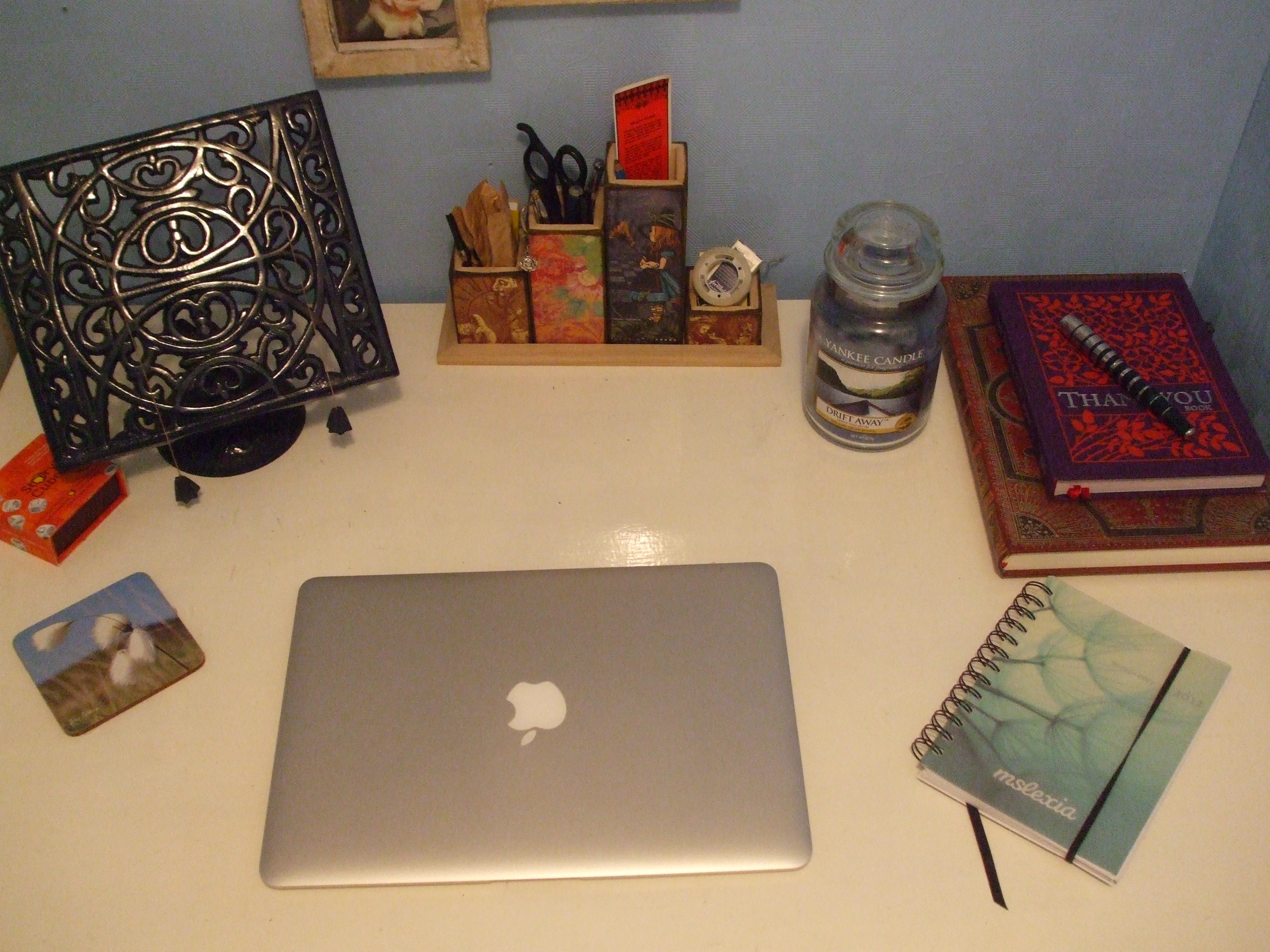
This is my desk; and I make sure it’s set up like this every morning so I don’t have to worry about anything other than writing. This is what’s on it:

  1. Macbook Air – I write the early drafts of my novels in Scrivener and later drafts in Word.
  2. Mslexia Diary – only writing-related stuff goes in here; deadlines, submissions, blog schedule, etc.
  3. Notebook – for automatic writing (every day, first thing) to warm up my brain.
  4. MontBlanc Fountain Pen – a treat I bought myself for finding an agent (thanks Sallyanne!).
  5. Thank You Book – I jot down nice stuff that’s happened and get a kick from reading thank you’s from the likes of Seamus Heaney.
  6. ‘Drift Away’ candle – An idea I got from a writer/composer friend. I light it every day. I find the smell very relaxing.
  7. Rory’s Storycubes – sometimes, you need a bit of inspiration. Or just a bit of fun.
  8. Bog Cotton Coaster – no drinks disasters here please! Plus, my husband picked me some bog cotton when we were just friends, to send to me in the post – and lost his shoe in the process. Looking at it always makes me smile.
  9. Alice in Wonderland/Floral Desk Tidy – I got this designed specially on Etsy; you can turn each block to suit your mood.
  10. Antique Cookbook Stand – A gift which I love. I’ve never used it for cooking but I love the design and I can prop my diary/research on there.

I’m fascinated by how different writers work. From the garden shed of Roald Dahl to the train journeys of Agatha Christie – I love seeing what makes each writer tick; how they can create the perfect space to create.

So, what’s on your desk? I’d love to know!

Organised chaos, I call it

Litter

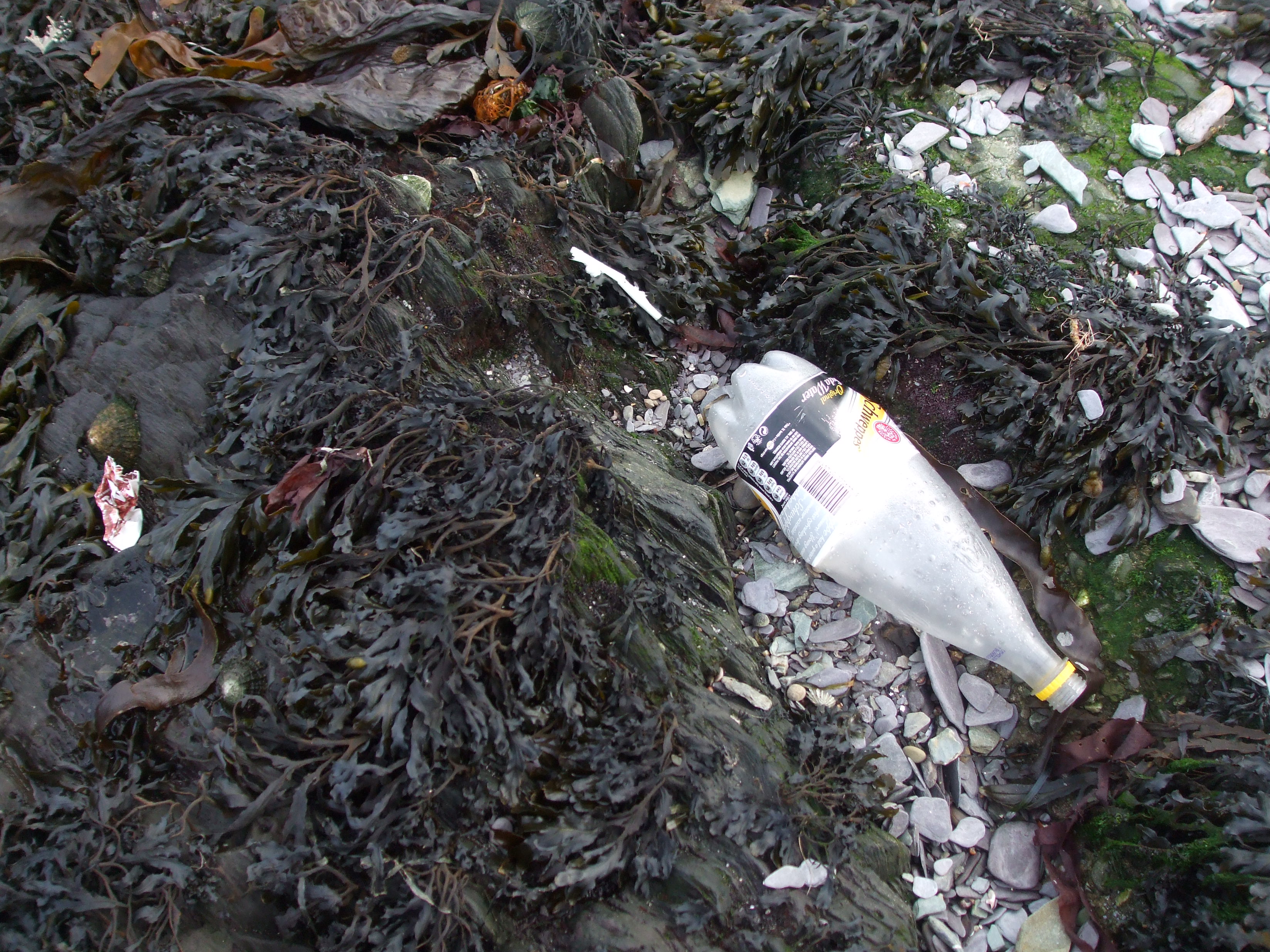
I hate to see this

To celebrate sending my revised manuscript to my agent, we decided to go on a picnic. It was a bit cold but the rugged landscape here is often very beautiful on a crisp, clear day. But how disappointing to find a discarded plastic bottle on the strand. There are very few things that I hate, but unnecessary littering is one of them. Don’t worry, we collected any litter we saw and put it in the recycling bins – but, as you can see, not everyone does this.

Take last summer, for instance; myself and my husband were collecting the debris left on the pier after tourist season; beer cans, crisp packets, drinks bottles, even nappies. We used the recycling and public bins to discard the rubbish – job well done, we thought. Well, not according to some busybody sat in a car watching, who stepped over a stray plastic carrier bag to come and share ‘a slight criticism.’ Apparently, we weren’t squashing the bottles enough. As you can imagine, I had a ‘slight criticism’ to say in return!

Why spoil a beautiful landscape?

But seeing litter on our picnic got me thinking about how much we litter our lives unnecessarily in general. We cram too many things in and then feel bad if we have to cancel. We focus on the negative, rather than the positive. We stress about what we should be doing rather than celebrating our achievements. As a writer, I find this terribly distracting; it either stops you from sitting down and writing or it stems creativity.

I wish there was a bit fat recycle bin that we could chuck all that brain-litter into. But seeing as a brain-litter bin doesn’t exist, we have to figure a way to declutter our minds and get on with our writing projects. Here are a few things that help me:

  1. Automatic writing every morningto make creativity flow and kickstart the brain.
  2. Owning a writing spacesomewhere you can shut the door and call your own. No disturbances allowed.
  3. Writing first thingthen get all your admin out of the way later, leaving the next day clear.

These aren’t the most innovative ideas but they work.

How do you get rid of your brain-litter?

New beginnings

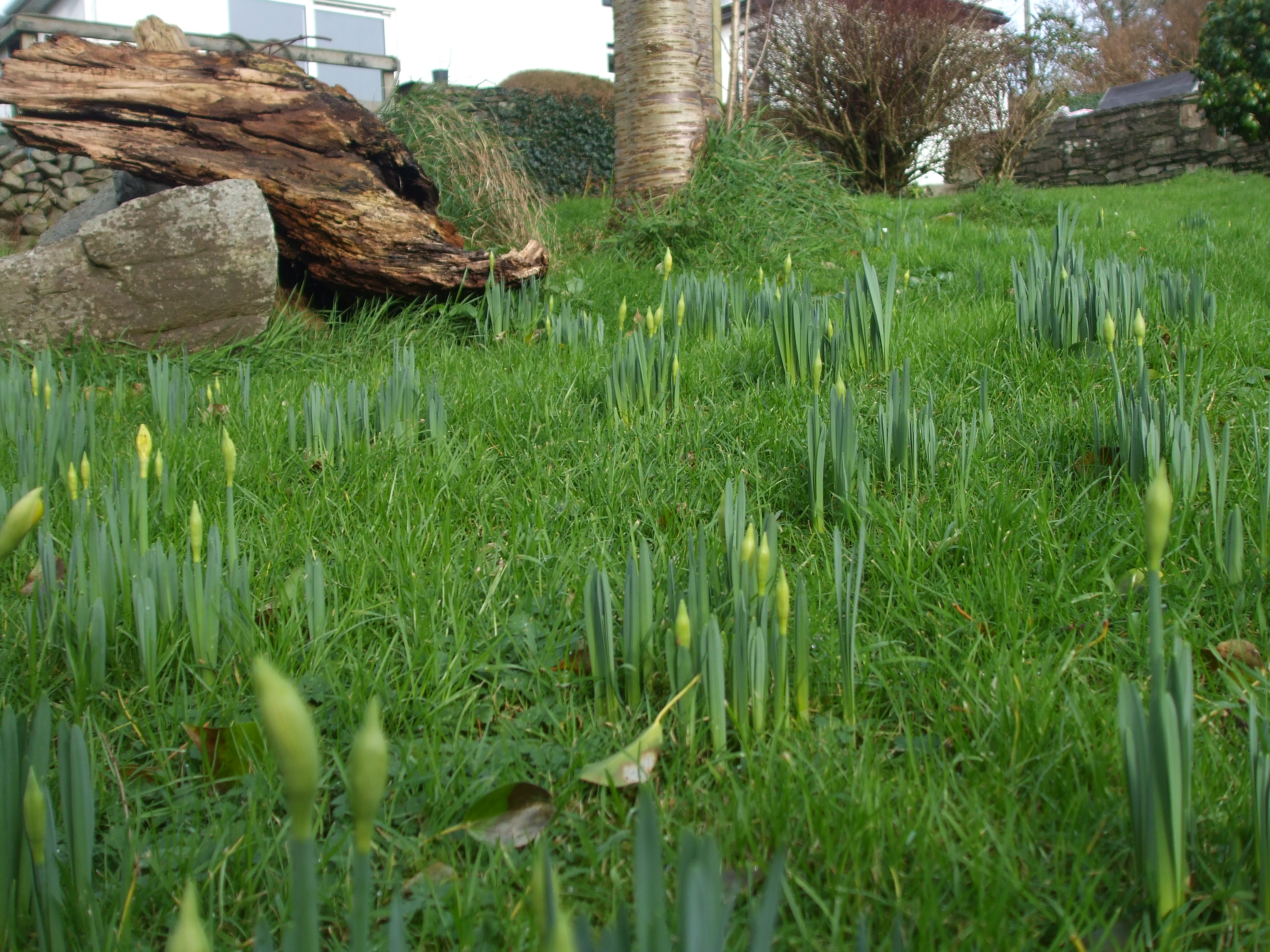
Our daffodils are nearly out!

It’s the start of the year; a time when everyone, especially writers, thinks about what they want to achieve in the twelve months ahead. There are the usual goals, like giving stuff up we don’t want to (chocolate, wine, meals out) and then there’s the unachievable goals like ‘write a novel in six days’ (while also being the best mum/wife/cook/electrician in the world).

Instead of making goals or resolutions this year, I’ve decided to focus solely on priorities. It feels less intimidating; and if I stray, I can take a peek and get back on track without stressing about the missing bits and feeling like a failure. So, my 2012 priorities are:

1. Writingfor enjoyment as well as publication, with more submissions thrown in.

2. Healthkeep up the outdoors shenanigans and worry less over the little things; they’ll take care of themselves.

3. Funmaking stuff and doing stuff, from knitting to piano, festivals to fishing. And lots of it.

4. Making moneywe’re never going to starve.

I’ve come a long way from the old, corporate me and if I learned anything over the last year, it was that rushing gets you nowhere. Like this skeleton leaf I found in the garden today, I’m going to take my time and let things happen a bit more naturally in 2012.

How will you make 2012 your best year yet?

Nature doesn't hurry - neither will I